In the high-stakes environments of modern control rooms and the competitive landscape of exhibitions, visual technology is not merely a tool—it is the central nervous system of information and the first point of engagement. Traditional multi-display setups, with their disruptive black lines and fragmented sightlines, create cognitive barriers, hindering the seamless flow of data and diminishing immersive impact. This is where the paradigm shifts.
In the high-stakes environments of modern control rooms and the competitive landscape of exhibitions, visual technology is not merely a tool—it is the central nervous system of information and the first point of engagement. Traditional multi-display setups, with their disruptive black lines and fragmented sightlines, create cognitive barriers, hindering the seamless flow of data and diminishing immersive impact. This is where the paradigm shifts.
This article delves into how NEC's Ultra-Narrow Bezel Seamless Displays are fundamentally redefining visual integration. We will explore the technological advancements that make this possible, the transformative applications in critical and creative spaces, and the tangible benefits that extend far beyond aesthetics. This is not just about thinner bezels; it's about creating a unified canvas for decision-making and storytelling.
The Engineering Behind the Invisible Canvas
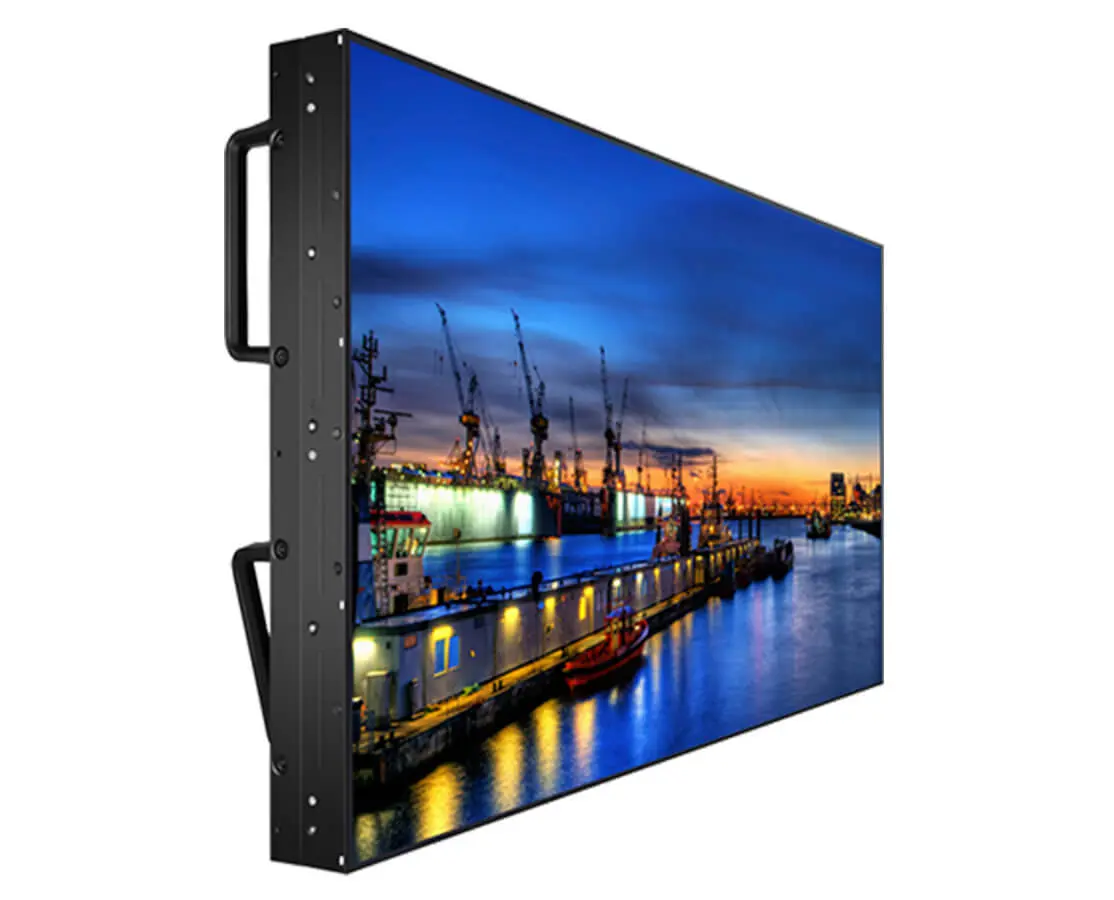
The magic of a truly seamless video wall begins long before installation, rooted in precision engineering. NEC's ultra-narrow bezel technology represents a meticulous pursuit of minimizing the physical gap between individual display modules. We are talking about bezels measuring as little as 0.9mm, a feat achieved through advanced panel design and structural innovation. This near-invisible border is the first critical step, but the engineering challenge extends further.
To create a coherent single image, the displays incorporate sophisticated color and luminance uniformity calibration. Each panel is factory-tuned and features internal sensors for ongoing adjustment, ensuring that colors match perfectly and brightness remains consistent across every module—a non-negotiable requirement for displaying maps, financial charts, or detailed graphics without visual discord. Furthermore, robust tiling and daisy-chaining capabilities are built-in, supported by intelligent controllers that manage content distribution with pixel-perfect accuracy, handling the complexities of alignment and synchronization so the technology itself disappears, leaving only the content.
Transforming Control Rooms into Decision Hubs
In control rooms for transportation, utilities, security, and defense, information clarity directly correlates with response time and operational safety. Here, NEC's seamless displays evolve from monitors into mission-critical situational awareness platforms. The elimination of bezel intrusion allows operators to view a continuous, uninterrupted data landscape. A network map, a live surveillance grid, or a real-time logistics tracker can be displayed as a whole, enabling the human eye to detect patterns, anomalies, and correlations that might be missed on a segmented screen.
The benefit is profound: reduced cognitive load. Operators spend less mental energy "stitching together" information across bezels and can focus on analysis and decision-making. The reliability inherent in NEC's design—featuring redundant power supplies and advanced cooling systems—ensures this unified view remains operational 24/7. The display wall becomes a true command center, where visual integration fosters faster, more informed decisions by presenting complex, multi-source data as a single, digestible truth.
Elevating Exhibitions and Brand Spaces to Immersive Experiences
Beyond functional command centers, this technology unlocks new dimensions of creativity in museums, trade shows, corporate lobbies, and retail spaces. The objective shifts from monitoring to captivating. A seamless canvas allows designers and artists to create breathtaking, large-scale digital installations without the disruptive grid of black lines breaking the illusion. A panoramic historical timeline can flow uninterrupted; a product reveal can animate across the entire wall without jarring jumps; a brand story can envelop the viewer.
This capability for unbroken visual storytelling is a game-changer for engagement. It creates "wow" moments that are inherently shareable, amplifying marketing impact. The technology supports high-resolution content and vibrant color reproduction, making it ideal for showcasing artistic renders, high-definition video, and interactive content. In these environments, the display is no longer a simple output device but a transformative architectural element that shapes space and perception, turning passive observation into active, memorable experience.
Strategic Advantages Beyond the Screen
Investing in a seamless visual solution like NEC's delivers strategic advantages that ripple across operations and budgets. The most evident is the enhanced viewer experience, leading to better outcomes whether measured in operational efficiency or audience engagement. Operationally, modern seamless displays are designed for sustainability. Features like:
-
Intelligent Power Management: Sensors that dim screens or put them to sleep when no motion is detected.
-
Longer Lifespan & Reliability: Built for 24/7 operation, reducing replacement frequency and total cost of ownership.
-
Simplified Maintenance: Modular designs and remote monitoring tools allow for quick servicing and minimal downtime.
Furthermore, the scalability of these systems means the video wall can be expanded or reconfigured as needs evolve, protecting the initial investment. The ultimate advantage is the creation of a future-proof visual platform that not only meets today's demands for integration and impact but also adapts to the content and data visualization challenges of tomorrow.
NEC's Ultra-Narrow Bezel Seamless Display technology represents a fundamental leap in how we construct and interact with large-scale visual information. By mastering the engineering of the near-invisible, it transforms fractured arrays into unified canvases, empowering control room operators with unparalleled situational awareness and enabling creators to craft deeply immersive narratives. The value proposition extends from enhanced decision-making and engagement to operational resilience and long-term ROI. In an era defined by data and experience, these displays are not just showing images—they are redefining the very framework of visual communication, making the seamless integration of technology and vision the new standard for critical and creative environments.


