In the demanding world of industrial automation, medical diagnostics, and commercial display systems, the choice of a display panel is rarely about aesthetics—it is about absolute reliability and unyielding performance. While consumer markets chase bezel-less designs and ultra-high refresh rates
In the demanding world of industrial automation, medical diagnostics, and commercial display systems, the choice of a display panel is rarely about aesthetics—it is about absolute reliability and unyielding performance. While consumer markets chase bezel-less designs and ultra-high refresh rates, the industrial sector demands stability, longevity, and clarity under harsh conditions. The Samsung LTN150XG-L06, a 15-inch LCD panel with a native resolution of 1024×768 (XGA), represents a specific class of technology designed for these critical environments. This article delves deep into the engineering philosophy of this display, exploring not just its specifications, but why these particular parameters matter in real-world applications. We will move beyond the datasheet to examine the panel's role in a global ecosystem of machines, interfaces, and human operators who depend on consistent visual feedback. Understanding this panel is about understanding the fundamental trade-offs between resolution, size, durability, and application-specific requirements that define the backbone of industrial visualization.
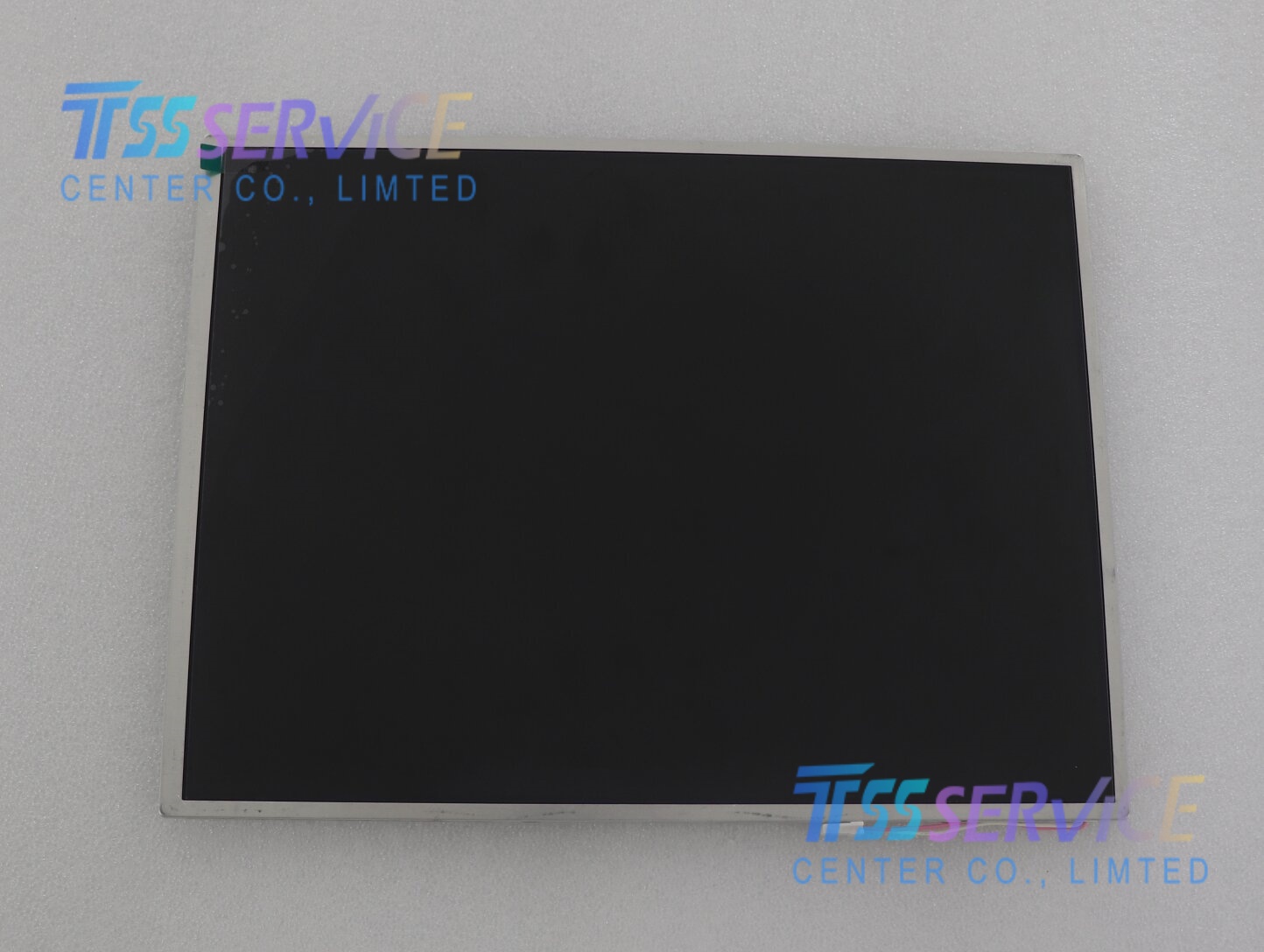
Form Factor and Resolution: The Strategic Choice of XGA
The LTN150XG-L06 operates at a 1024×768 resolution on a 15-inch diagonal. In an era where 4K is commonplace, this specification might appear dated. However, this assessment misses the strategic logic of industrial design. The 4:3 aspect ratio is not a flaw; it is a deliberate feature optimized for specific use cases. For Point of Sale (POS) systems, medical patient monitors, and CNC machine controllers, the squarer format provides a natural viewing area for data dashboards, vital signs, and control panels without the wasted horizontal space of widescreens. More importantly, at 15 inches, the pixel density of approximately 85 PPI offers an optimal balance between text legibility and power consumption. The interface is not designed for cinematic immersion; it is designed for readability at a distance of 70-100 cm, typical of human-machine interaction (HMI). Furthermore, the XGA standard ensures broad compatibility with legacy industrial backplanes and embedded systems that still run mission-critical software designed years ago. The panel's physical dimensions are also engineered for standard cutouts in 19-inch rack systems and medical cart enclosures, allowing for seamless integration without custom tooling. This is a display built for a specific physical and logical ecosystem, not for general consumer consumption.
Technology Stack: The Anatomy of a Rugged LCD
Beyond resolution and size, the true value of the Samsung LTN150XG-L06 lies in its internal construction and material choices. This panel typically utilizes Twisted Nematic (TN) technology. While TN panels have narrower viewing angles compared to IPS, they offer significantly faster response times and lower power draw—critical for applications requiring real-time data refresh without ghosting. The backlighting system is another key differentiator. Unlike consumer monitors that prioritize slimness, this Samsung panel is often designed to accommodate CCFL (Cold Cathode Fluorescent Lamp) or robust LED arrays that deliver consistent luminance over tens of thousands of hours. The portrait and landscape compatibility of this model underscores its engineering flexibility. In medical imaging rooms, it may be mounted vertically to display an entire spinal X-ray; in a factory, it operates horizontally for a PLC interface. The panel's driver electronics are also hardened against electromagnetic interference (EMI), a silent but crucial factor when operating near motors, welders, or MRI machines. The use of more robust polarizers and glass substrates further enhances its resistance to mechanical vibration and thermal shock, ensuring that the image remains stable even when the environment is not.
Comparative Landscape: Why Not Choose a Consumer Monitor?
A logical question arises: why use a specific model like the LTN150XG-L06 when a consumer 15-inch monitor is cheaper and more available? The answer lies in lifecycle commitment and compliance certification. Consumer displays are designed for a 2-3 year lifecycle with constant aesthetic updates. An industrial panel must have a guaranteed production run of 5-7 years. The LTN150XG-L06 is typically sourced through industrial supply chains that offer long-term availability, allowing OEMs to maintain a product design without costly requalifications. Furthermore, this panel adheres to stringent standards like UL, CE medical certifications, and FCC Class A for radiated emissions. A consumer monitor placed in a sterile environment may fail to meet biocompatibility regulations or introduce electrical noise that interferes with adjacent sensitive equipment. The Samsung panel also offers a wider operating temperature range (0°C to 50°C or more), ensuring reliable startup in cold warehouses or near hot machinery. Finally, the connectivity specification—often an LVDS (Low-Voltage Differential Signaling) interface—is the standard for embedded systems, unlike the HDMI or DisplayPort found in consumer hardware. This is not a replacement part; it is a designed-in component for a system that demands uptime and regulatory trust.
Operational Considerations and End-User Value
For the procurement specialist or engineer integrating the LTN150XG-L06, several practical factors dictate its true operational value. Burn-in resistance is a primary concern. Industrial interfaces often display static elements like logos or status icons for 24/7 operation. This panel is engineered with longer-life liquid crystal materials and advanced drive schemes to mitigate image retention, extending its useful life significantly beyond off-the-shelf solutions. The anti-glare surface treatment is another critical, often overlooked feature. In a brightly lit hospital corridor or a sunlit factory floor, reflections can be hazardous. The matte finish diffuses ambient light, ensuring that a nurse or technician can read critical data without repositioning the display. Additionally, the panel's power efficiency—typically drawing less than 15-20 watts—reduces thermal load in enclosed enclosures, decreasing the need for active cooling fans, which can accumulate dust and fail. For the end user, this translates to lower total cost of ownership (TCO). The panel does not just display information; it does so with a predictable performance curve, allowing maintenance teams to schedule replacements during planned downtime rather than reacting to emergency failures. This predictability is the ultimate value proposition of a specialized industrial component.
Conclusion The Samsung LTN150XG-L06 is far more than a simple 15-inch display; it is a precision instrument calibrated for the harsh realities of industrial and medical environments. Its XGA resolution, rugged TN technology, and extended lifecycle represent a deliberate engineering choice that prioritizes reliability, compatibility, and low total cost of ownership over consumer-driven metrics like peak brightness or pixel density. For system integrators and OEMs, selecting this panel means investing in a predictable, certified component that ensures operational uptime and regulatory compliance. In a world increasingly dominated by disposable technology, the LTN150XG-L06 stands as a testament to the value of specialized engineering, where every specification is a deliberate solution to a real-world problem.


