In the demanding landscape of industrial automation and embedded systems, the display interface serves as the critical nexus between human operators and complex machinery. Selecting the correct display module is not merely a matter of pixel count
In the demanding landscape of industrial automation and embedded systems, the display interface serves as the critical nexus between human operators and complex machinery. Selecting the correct display module is not merely a matter of pixel count; it is a decision that impacts operational efficiency, safety, and long-term system viability. This article provides a comprehensive technical analysis of the NEW GM320240D-57-CNX1NCW-TP-Z, a 5.7-inch 320×240 LCD display designed specifically for rigorous industrial environments. We will move beyond surface-level specifications to explore its architectural design, optical performance under challenging conditions, touch interface integration, and the crucial balance between legacy compatibility and modern reliability. For engineers, procurement specialists, and system integrators, this deep dive aims to illuminate why this particular model represents a thoughtful solution for applications where failure is not an option.
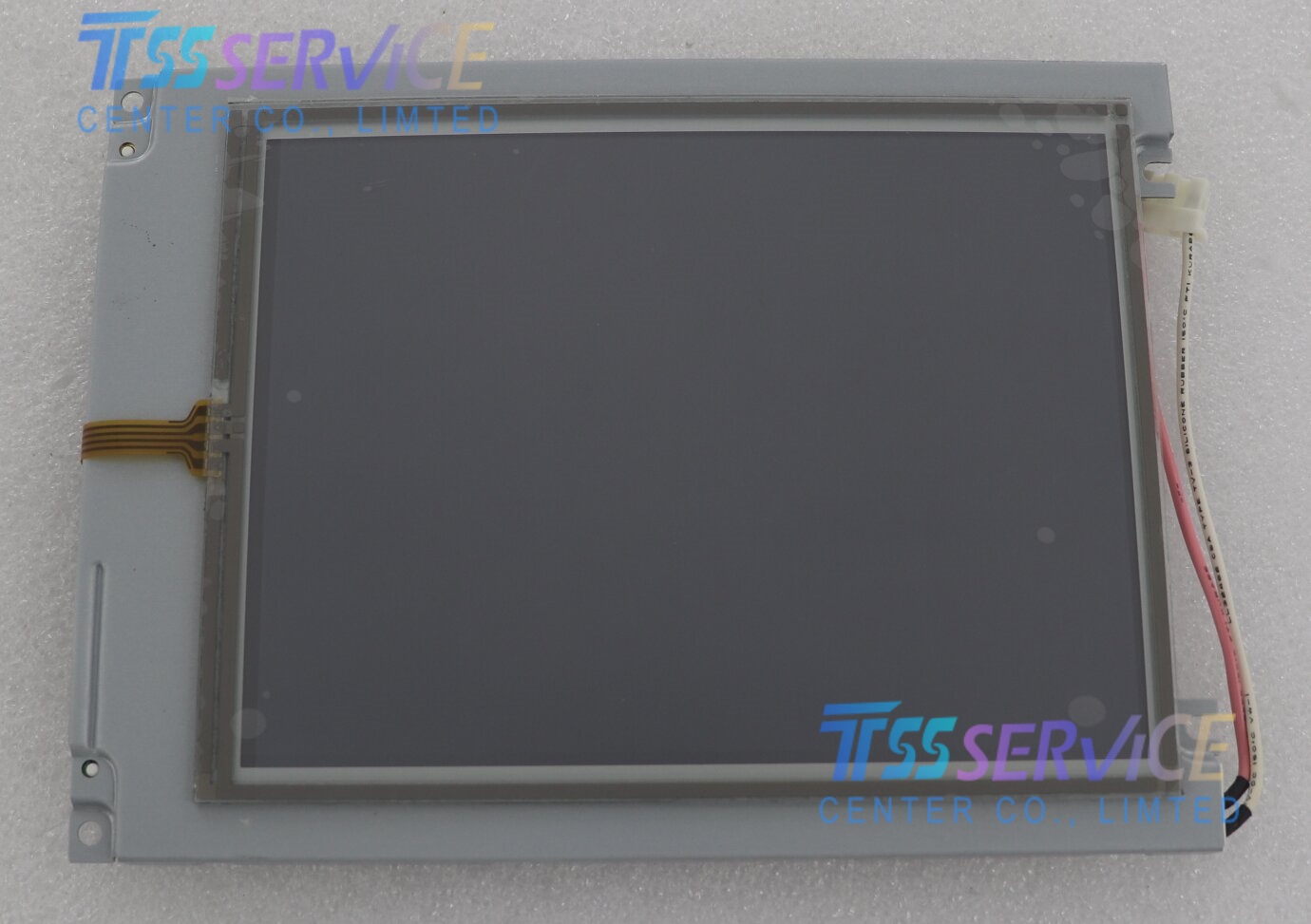
The Technical Foundation: Resolution, Size, and Mechanical Architecture
At its core, the GM320240D-57-CNX1NCW-TP-Z adheres to the well-established 320×240 (QVGA) resolution standard, a format that has become the backbone of countless industrial controllers, medical devices, and test equipment. While higher resolutions exist, QVGA remains dominant in this sector for a specific reason: readability without overhead. At a 5.7-inch diagonal, this resolution yields a practical dot pitch that allows for crisp alphanumeric characters and iconography without straining the controller’s graphics processor. This is particularly advantageous in real-time systems where processing cycles must be reserved for control logic rather than pixel rendering.
The mechanical design of the unit reveals a focus on integration stability. The 57-inch form factor is a standard in panel-mount applications, allowing for straightforward drop-in replacements or new designs that conform to existing chassis cut-outs. The inclusion of the CNX1NCW designation in the model number typically points to a specific mechanical configuration, often involving a particular mounting tab layout or structural reinforcement layer that mitigates the effects of vibration common in factory floors or mobile equipment. For system designers, this means less time spent on custom bracketry and a higher confidence level in the display’s physical endurance over a projected 10–15 year lifecycle.
Optical Clarity and Environmental Resilience: Built for the Factory Floor
One of the most critical differentiators of an industrial-grade display versus a consumer-grade panel is its ability to maintain legibility under non-ideal lighting. The GM320240D-57 is engineered with a high-brightness backlight and a specific TN (Twisted Nematic) LCD technology that offers fast response times and low power consumption. However, the true industrial value lies in its optical bonding and polarizer selection. The display is likely equipped with a transmissive or transflective film designed to combat glare from overhead factory lighting or direct sunlight ingress near windows or loading docks.
Furthermore, the wide viewing angle—while not reaching the extremes of IPS technology—is optimized for a horizontal orientation, which is the primary viewing axis for most HMI panels mounted in a vertical 19-inch rack or on a machine pendant. This means that operators standing at a slight offset will not experience severe color inversion or contrast loss. The built-in temperature compensation circuitry ensures that the liquid crystal material responds consistently across the specified operating range, typically from -20°C to +70°C. For applications such as outdoor telemetry units or unheated warehouse terminals, this thermal resilience is non-negotiable. The display also employs an anti-fog and anti-static coating on the outer polarizer, reducing dust attraction and preventing condensation-induced image degradation.
Touch Integration: The Role of the TP-Z Interface
The "-Z" suffix and the "TP" designation indicate that this model is integrated with a resistive touch panel, specifically a 4-wire or 5-wire analog resistive variant. While capacitive touch dominates consumer electronics, resistive technology remains the gold standard for industrial glove-friendly operation. When an operator is wearing thick work gloves, a capacitive screen becomes inoperable. The resistive layer in the GM320240D-57 responds to pressure, not capacitance, allowing for precise interaction even through latex, nitrile, or heavy leather gloves.
From an integration standpoint, the TP-Z interface generally refers to a standard FFC (Flat Flex Cable) connector with a specific pinout that aligns with common industrial controller boards. This reduces the need for custom jumpers or adapter boards. The touch panel is also chemically strengthened to resist scratches from stylus use or accidental contact with metal tools. Importantly, the touch sensor is likely optically bonded to the LCD surface, eliminating the air gap that can cause parallax errors. This direct bonding also improves impact resistance and prevents dust ingress at the screen edge. For calibration engineers, the stable touch response allows for a single-point calibration that remains accurate over temperature changes, reducing maintenance overhead in the field.
Application Scenarios and Longevity Considerations
Understanding where this display excels is vital for making an informed procurement decision. The GM320240D-57-CNX1NCW-TP-Z is particularly well-suited for human-machine interfaces (HMIs) in process control, such as PLC programming panels, injection molding machine controllers, and packaging line monitors. Its combination of robust backlight, reliable touch, and standard resolution makes it a prime candidate for medical diagnostic devices that require consistent grayscale or color rendering for patient data, as well as CNC machine tool panels that operate in high-vibration, oil-mist environments.
-
Legacy System Upgrades: Many older systems use 5.7-inch QVGA displays that are now obsolete. This module offers a direct functional replacement with improved MTBF.
-
Low-Power Embedded Designs: The efficient backlight driver and low-voltage operation allow for integration with battery-backed or power-sensitive IoT gateways.
-
Custom Panel Builders: Its standardized mechanical footprint reduces design risk for companies building bespoke instrumentation.
From a lifecycle perspective, this display is designed to avoid the pitfalls of consumer component churn. Manufacturers of such industrial modules, often under the New East Sun (NES) or comparable OEM production, guarantee long-term availability—often 5 to 7 years or more. The use of LED backlighting rather than CCFL ensures consistent brightness over 50,000 hours of operation, drastically reducing the need for field service replacements. For an industrial buyer, the total cost of ownership is lowered not just by the purchase price, but by the reduction in downtime and the confidence in a stable supply chain.
This model represents a deliberate engineering compromise in the best sense: it sacrifices unnecessary extremes in resolution or viewing angle for proven reliability, environmental toughness, and seamless integration with industrial control ecosystems. By offering a robust 320×240 resolution, a glove-compatible resistive touch interface, and mechanical construction designed to withstand temperature extremes and vibration, the GM320240D-57-CNX1NCW-TP-Z provides a practical, long-life solution for equipment that must operate without interruption for years. For engineers designing the next generation of factory floor equipment or maintaining critical legacy systems, this display delivers the fundamental quality that prevents screens from becoming the weakest link in the control chain. Its value lies not in flashy specifications, but in the quiet confidence that the interface will work every time, in every condition.


