In an era dominated by high-definition displays and 4K resolution, the industrial sector often takes a different, more pragmatic path. The NL6448CC33-25, a 10.4-inch LCD display panel manufactured by NLT Technologies, stands as a testament to this reality.
In an era dominated by high-definition displays and 4K resolution, the industrial sector often takes a different, more pragmatic path. The NL6448CC33-25, a 10.4-inch LCD display panel manufactured by NLT Technologies, stands as a testament to this reality. While its native resolution of 640×480 pixels—the classic VGA standard—may seem modest by consumer-grade standards, this panel occupies a critical niche in mission-critical environments. Its value is not found in pixel density, but in proven reliability, exceptional readability, and robust performance under adverse conditions. This article delves deep into the technical architecture and practical applications of the NL6448CC33-25. We will explore why this specific model remains the preferred choice for medical imaging, industrial automation, and avionics, and how its design parameters address the unique demands of 24/7 operation where failure is not an option.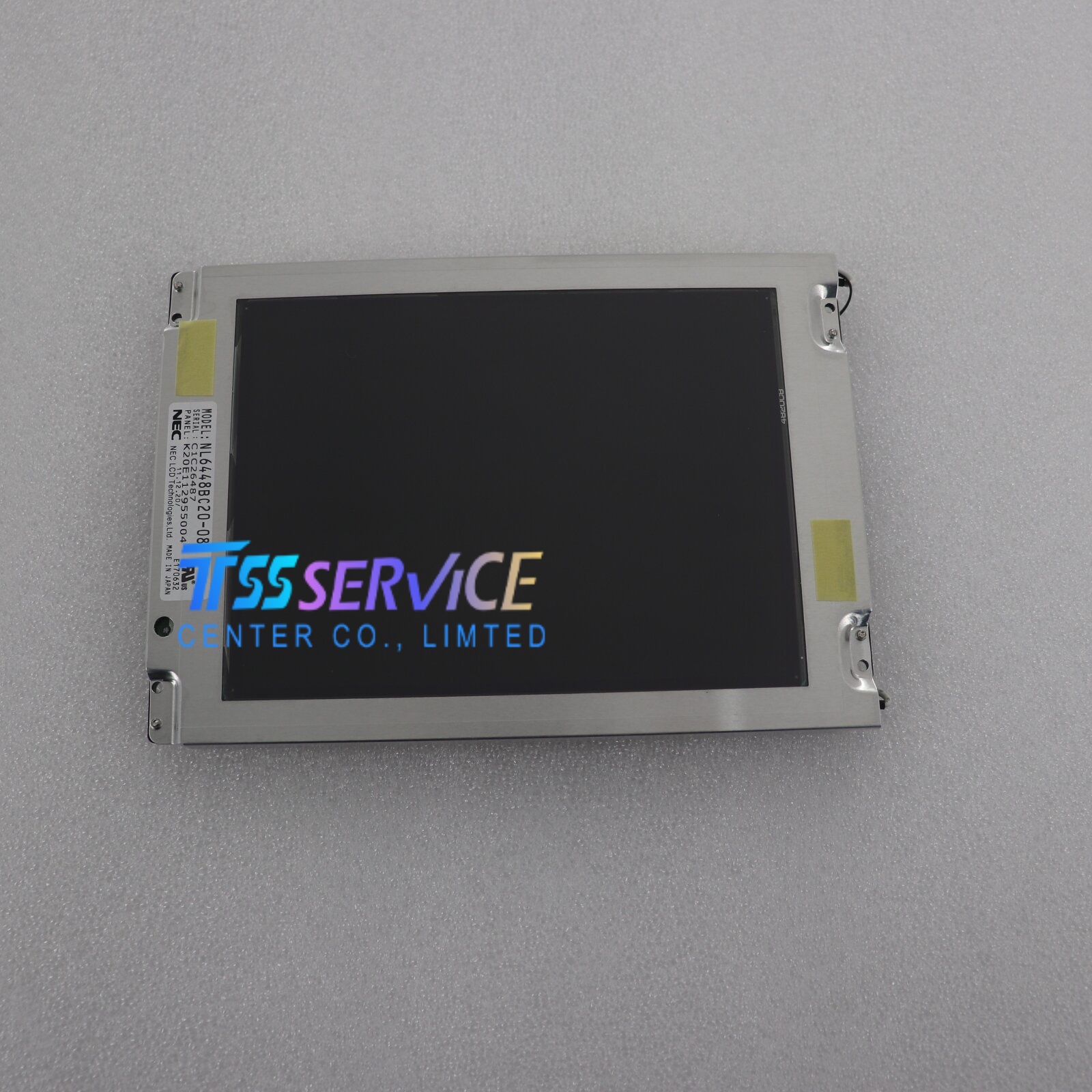
Architectural Precision: Understanding the 10.4-inch VGA Panel Design
The NL6448CC33-25 is engineered from the ground up for stability rather than aesthetics. The 640×480 resolution on a 10.4-inch diagonal creates a pixel pitch of approximately 0.33mm, which is optimal for viewing from a typical arm's length. This density avoids the "fatigue" associated with reading ultra-fine text on smaller displays over long shifts.
The panel employs a TN (Twisted Nematic) technology with a standard 6 o'clock viewing angle orientation. This specific type of TN panel is optimized for fast response times and low power consumption, typically drawing less than 10 watts. The CCFL (Cold Cathode Fluorescent Lamp) backlight is a key differentiator. Unlike modern LED backlights that can suffer from color shift and dimming over time, the CCFL in this model provides a consistent, broad-spectrum white light critical for color-critical tasks. The panel interface uses a standard 41-pin parallel data connection, ensuring compatibility with legacy industrial motherboards and controllers. The mechanical design includes sturdy mounting tabs and a robust metal frame, designed to withstand vibration and shock up to 1G. This is not a display meant for a living room; it is a component built for a production floor.
Reliability Under Duress: Performance in Harsh Environments
The true differentiator of the NL6448CC33-25 lies in its environmental tolerance. Industrial displays must operate reliably where consumer panels would fail. This model features a wide operating temperature range, typically from -20°C up to +70°C. This is achieved through specific liquid crystal mixtures and a robust power management IC that prevents thermal runaway.
Furthermore, the anti-glare surface treatment is critical. In environments like hospital operating rooms or factory control rooms, overhead lighting is harsh. The NL6448CC33-25's matte surface reduces specular reflection to below 2%, ensuring readability under 500 lux ambient light. The CCFL backlight is also engineered for longevity, with a rated lifetime of 50,000 hours (MTBF) under continuous operation at 25°C. This translates to over five years of 24/7 operation without replacement. The panel also boasts a high contrast ratio of 500:1 (typical) and a luminance rating of 400 cd/m², which is sufficient to overcome ambient light in most industrial settings. Its pinout is designed to support inverted signal logic for keying compatibility with various legacy controllers, a nod to the deep integration it enjoys in existing systems.
Critical Application Domains: Where the NL6448CC33-25 Excels
This display panel is not a general-purpose component; it is specifically calibrated for three primary verticals where reliability is non-negotiable:
-
Medical Diagnostics: In patient monitors, anesthesia machines, and portable ultrasound units, the stable color rendering and flicker-free operation at 60Hz are vital. The 640×480 resolution matches the DICOM grayscale standard requirements for many diagnostic imaging tasks.
-
Industrial Control Systems: On factory floors, the panel is used in PLC (Programmable Logic Controller) interfaces and CNC machine displays. The VGA resolution is actually preferred here, as it allows operators to read process parameters and system status at a glance without the eye strain of high-density text.
-
Avionics & Marine Navigation: The wide temperature range and robust build make it suitable for cockpit instrumentation and bridge navigation displays. The consistent CCFL backlight ensures that the display remains readable during daylight operations, while the low power draw is critical for battery-backed systems.
The most important factor is the panel's long-term availability. NLT typically commits to 5-7 year lifecycles for such models, allowing OEMs to design products with confidence in supply chain continuity—a critical advantage over short-lived consumer-grade displays that are often discontinued within 18 months.
Integration and Lifespan Management: A Strategic Investment
Deploying the NL6448CC33-25 requires understanding its lifecycle and integration specifics. Because it uses a legacy CCFL backlight, the power supply must include an inverter designed for this specific lamp voltage and current (typically 600-700Vrms at 6-8mA). Using a generic inverter can lead to non-optimal brightness or premature lamp failure.
For replacement or new integration, engineers must pay close attention to the connector pinout (which is documented in the official NLT datasheet) to ensure signal polarity matches the host controller. The panel is designed for direct solder or header connection, not for hot-plugging. In terms of lifespan management, the CCFL lamp will gradually degrade in brightness (20% over 20,000 hours). However, it will not "burn out" suddenly like an LED; instead, it will slowly darken. This graceful degradation is actually beneficial in safety-critical systems, as it provides a visual warning before failure. For maximum longevity, operators should avoid extreme dimming, as operating the CCFL at very low currents can cause cathode wear. Maintaining the backlight at 50-70% duty cycle is the ideal balance for extending operational life beyond the official rating.
Conclusion: The Pragmatic Choice for Critical Infrastructure
The NL6448CC33-25 is a masterclass in engineering for longevity and reliability, not for pixel count. Its 10.4-inch 640x480 VGA panel, supported by a rugged CCFL backlight and a wide environmental operating envelope, offers a proven solution for the medical, industrial, and aerospace sectors where a display failure could have serious consequences. While newer technologies may offer higher resolution, they cannot match the field-proven stability, consistent color reproduction, and extended lifecycle support that this NLT panel provides. For engineers seeking a display that will operate dependably for a decade or more in a mission-critical system, the NL6448CC33-25 remains a benchmark choice, proving that in industrial design, reliability will always trump novelty.


