In a bold move that redefines urban mobility and digital integration, Shenzhen's newest metro lines have unveiled a futuristic feature: the full deployment of transparent LED screens across their carriages. This is not merely an upgrade to the traditional passenger information system;
In a bold move that redefines urban mobility and digital integration, Shenzhen's newest metro lines have unveiled a futuristic feature: the full deployment of transparent LED screens across their carriages. This is not merely an upgrade to the traditional passenger information system; it is a transformative step towards creating immersive, intelligent, and aesthetically pleasing public transit environments. These high-tech windows serve a dual purpose—maintaining outward visibility while dynamically overlaying digital information onto the real-world scenery rushing by.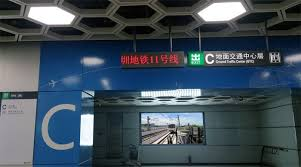
This article delves into the core technology behind this innovation, explores its multifaceted impact on the passenger experience, and examines its broader implications for the future of smart city infrastructure. Shenzhen, a global tech hub, once again positions itself at the forefront of applying cutting-edge solutions to everyday life, turning the daily commute into a window onto the future.
The Technology Behind the See-Through Display Revolution
At the heart of this application lies advanced transparent LED technology. Unlike conventional opaque displays that block views, these screens are built with fine-pitch LED modules arranged on a glass substrate with high light transmittance. This engineering marvel allows natural light to pass through, ensuring passengers can still enjoy the view of the cityscape, while the LEDs emit bright, vivid images and data. The key to its successful deployment in a metro environment is its robustness, clarity, and energy efficiency.
The screens are designed to withstand constant vibrations, temperature fluctuations, and high passenger traffic. They integrate seamlessly with the train's control and information systems, pulling real-time data on routes, station arrivals, service updates, and even crowd density for upcoming stops. Furthermore, their modular nature allows for flexible sizing and shapes, conforming to the train's windows and interior architecture without a bulky footprint. This represents a significant leap from static maps and small LCD panels, offering a dynamic canvas that is both functional and unobtrusive.
Redefining the Passenger Journey: Experience and Engagement
The implementation of transparent LED screens fundamentally transforms the commuter experience from a passive transit time into an engaging and informative journey. The primary function is enhanced wayfinding: crucial information like the next station, interchange options, and exit guides are superimposed directly onto the window, contextually aligned with the passing environment, making navigation intuitive.
Beyond utility, the screens unlock new dimensions of engagement. They can display cultural content, local business advertisements, public service announcements, or even augmented reality-like animations that interact with the outside world. For instance, as the train passes a historical district, the screen could highlight its significance; as it approaches a commercial hub, it might show promotional offers. This creates a value-added channel for passengers and a highly targeted, non-intrusive advertising platform for businesses. It alleviates the "closed-in" feeling of underground travel by maintaining a visual connection to the outside, thereby reducing travel anxiety and improving overall passenger satisfaction.
Beyond the Carriage: Implications for Smart Urban Ecosystems
The significance of Shenzhen's initiative extends far beyond the metro lines themselves, serving as a critical proof-of-concept for interconnected smart city ecosystems. These transparent displays are not isolated devices; they are intelligent nodes in a vast data network. By collecting and displaying real-time urban data—such as weather, major event alerts, or traffic conditions around key stations—they turn the metro system into a moving information hub that benefits the entire city.
This deployment showcases a scalable model for multifunctional public infrastructure. The same technology can be applied to building facades, bus shelters, and retail windows, creating a cohesive digital layer over the urban fabric. It demonstrates how technology can enhance public services without sacrificing spatial awareness or aesthetic appeal. For Shenzhen, this project reinforces its identity as an innovation leader, setting a benchmark for other global metropolises on how to harmoniously blend digital innovation with public utility, paving the way for more responsive and visually integrated urban environments.
Shenzhen's integration of transparent LED screens across its new metro lines marks a pivotal convergence of technology, user-centric design, and smart city vision. It moves passenger information systems from functional to experiential, enhancing navigation, engagement, and well-being during transit. More importantly, it establishes a blueprint for how dynamic digital interfaces can be woven into public infrastructure to create more informative, connected, and aesthetically sophisticated urban spaces. As this technology matures and proliferates, the journey itself becomes not just a means to an end, but an informative and integrated part of the modern city experience.


