In the realm of industrial automation, medical instrumentation, and human-machine interfaces, the display is no longer a mere output peripheral—it is the primary conduit for operational intelligence. Unlike consumer electronics, which prioritize resolution and color saturation
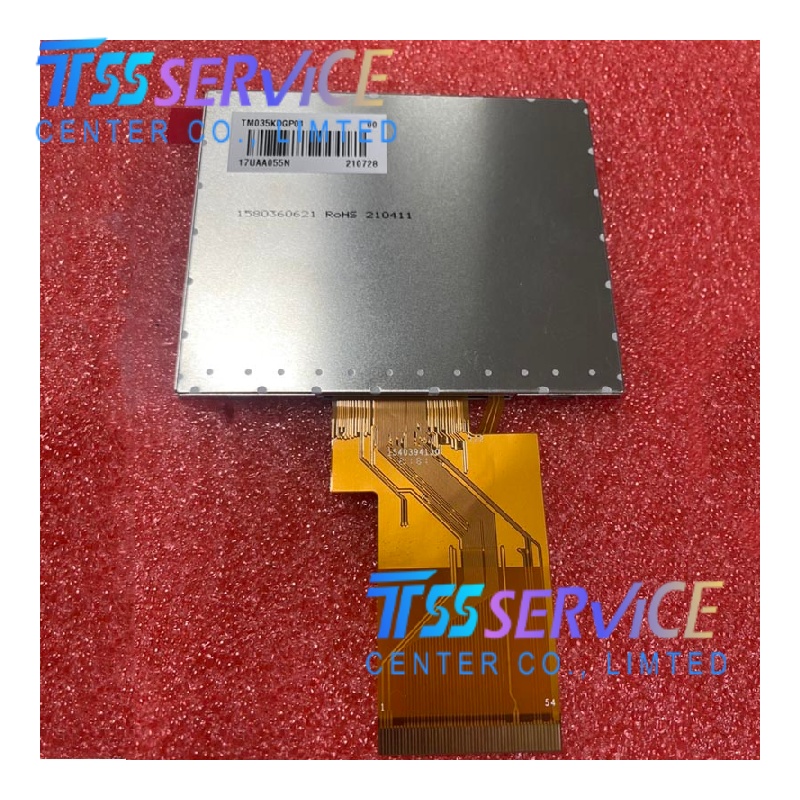
In the realm of industrial automation, medical instrumentation, and human-machine interfaces, the display is no longer a mere output peripheral—it is the primary conduit for operational intelligence. Unlike consumer electronics, which prioritize resolution and color saturation, industrial applications demand exceptional durability, wide operating temperature ranges, and robust optical performance under harsh lighting conditions. Within this specialized market, the New TIANMA 3.5 inch 320*240 a-Si TFT-LCD Display (Model TM035KDGP01-00) has emerged as a compelling solution. This article delves deeply into the technical architecture, engineering trade-offs, and application-specific advantages of this particular LCD module. From its amorphous silicon backplane technology to its optimized form factor, we will explore why this display is uniquely positioned to solve real-world challenges in embedded industrial systems.

Optical Precision: Why 320×240 Resolution and a-Si Technology Still Matter in Industry
At first glance, a 3.5-inch display with a 320×240 QVGA resolution might appear dated when compared to the retina-class panels found in smartphones. However, in the context of industrial control systems, this resolution offers a deliberate balance between readability and system resource efficiency. The pixel density of approximately 114 PPI allows for crisp rendering of alphanumeric characters, icons, and basic waveforms without burdening low-power microcontrollers or FPGA drivers. When a PLC or temperature controller needs to display a numeric value or a simple bar graph, higher resolutions would introduce unnecessary graphical overhead and increased memory bandwidth consumption.
The use of amorphous silicon (a-Si) TFT technology is equally strategic. While LTPS (Low-Temperature Poly-Silicon) offers higher electron mobility, a-Si remains the gold standard for applications requiring long-term reliability and consistent manufacturing yields. The TM035KDGP01-00 leverages a-Si to achieve a stable threshold voltage over its operational lifespan—a critical factor in medical devices or factory floor terminals where display flickering or brightness drift could cause operator error. Furthermore, the panel’s 6 o'clock viewing direction and typical luminance of 300 cd/m² ensure that data remains legible from a comfortable viewing angle, even when the display is mounted below eye level on a control panel.
Interface and Control Flexibility: The Architecture of Seamless Integration
One of the most significant barriers to adopting a new display module in industrial design is the electrical interface compatibility. The TM035KDGP01-00 addresses this through its parallel RGB 18-bit interface (commonly known as 6-bit per channel for 262K colors). This interface type is widely supported by mainstream STM32, NXP i.MX, and TI Sitara processors without requiring specialized bridge chips. For embedded engineers, this translates directly into reduced bill of materials (BOM) cost and simpler PCB layout.
The module also incorporates an integrated TFT controller which handles memory mapping and timing generation for the 320×240 matrix. This offloads significant processing overhead from the main application CPU. When evaluating power-sensitive designs, the display’s typical power consumption of approximately 150 mW (with LED backlight at full brightness) presents a viable option for battery-backed portable instruments. Additionally, the inclusion of a touch panel capability (sold separately) allows designers to evolve a legacy button-based interface into a modern touchscreen without redesigning the entire optical stack. The flexible FPC connector, with a standard 0.5mm pitch, is designed for automated assembly processes, reducing manufacturing defects in high-volume production runs.
Environmental Resilience: Thermal and Mechanical Engineering for Harsh Conditions
Industrial environments are unforgiving. Humidity, vibration, and extreme temperature swings are the norm. The TM035KDGP01-00 is rated for an operating temperature range of -20°C to +70°C and a storage range of -30°C to +80°C. This thermal envelope is achieved through the careful selection of liquid crystal mixtures with high clearing points and the use of a stable LED backlight driver circuit that compensates for current drift at low temperatures. For equipment used in cold storage logistics or outdoor oil rig terminals, this thermal tolerance eliminates the need for auxiliary heaters or active cooling—saving space and reducing failure points.
From a mechanical standpoint, the module features a compact outline of 76.9 mm × 63.9 mm with a mounting hole pattern that allows for secure attachment via M2 screws. The active area (70.08 mm × 52.56 mm) is surrounded by a narrow bezel, maximizing the screen-to-body ratio for panel cutouts. The display employs a transmissive mode, meaning it relies entirely on the backlight for visibility. While this limits outdoor use in direct sunlight, it ensures consistent contrast in indoor factory or lab settings. For environments with ambient glare, the optional anti-glare surface treatment on the cover lens can significantly reduce specular reflections, improving user comfort during extended monitoring sessions.
Supply Chain and Lifecycle Management: Why the TM035KDGP01-00 Reduces Long-Term Risk
Perhaps the most underappreciated aspect of industrial display selection is product longevity. Consumer panels are often discontinued within 18 months, creating a nightmare for industrial product lifecycle management where a device may need to be manufactured for 5 to 10 years. TIANMA, as a tier-one LCD manufacturer, typically commits to a minimum of 3 to 5 years of active production for its standard industrial modules like the TM035KDGP01-00. This supply chain stability is invaluable for medical device manufacturers and industrial automation houses that must comply with regulatory re-certification requirements.
Furthermore, the display’s design utilizes mature manufacturing processes on 3.5-generation glass lines, which means the production cost remains stable and the yield rates remain high. The standard LED backlight has a rated lifetime of 20,000 to 30,000 hours, which translates to over 2 years of continuous 24/7 operation before reaching 50% brightness degradation. For firms that maintain global support networks, the ability to source a single validated display model for multiple product lines (from handheld terminals to small medical monitors) reduces qualification testing costs and spare parts inventory complexity. In an era of component shortages, choosing a display with broad availability and stable production cadence is not just a technical decision—it is a strategic business decision.
Conclusion
In an industry often dazzled by higher resolutions and flexible displays, the TIANMA TM035KDGP01-00 stands as a testament to focused engineering pragmatism. Its 320×240 a-Si TFT architecture, parallel RGB interface, and wide temperature tolerance are not outdated specifications but deliberate design choices that align perfectly with the constraints of embedded industrial systems. By prioritizing interface compatibility, thermal resilience, and production longevity, this module reduces integration complexity and total cost of ownership. For any engineer designing a diagnostic device, a machine controller, or a test instrument, this display offers a validated path to a reliable, manufacturable product. It proves that in the industrial world, the most effective technology is not always the newest—it is the one that works dependably, year after year.


