In the intricate world of industrial automation and control systems, the reliability and precision of individual components form the backbone of operational success. Among these critical components, Human-Machine Interface (HMI) panels serve as the vital conduit between operators and complex machinery
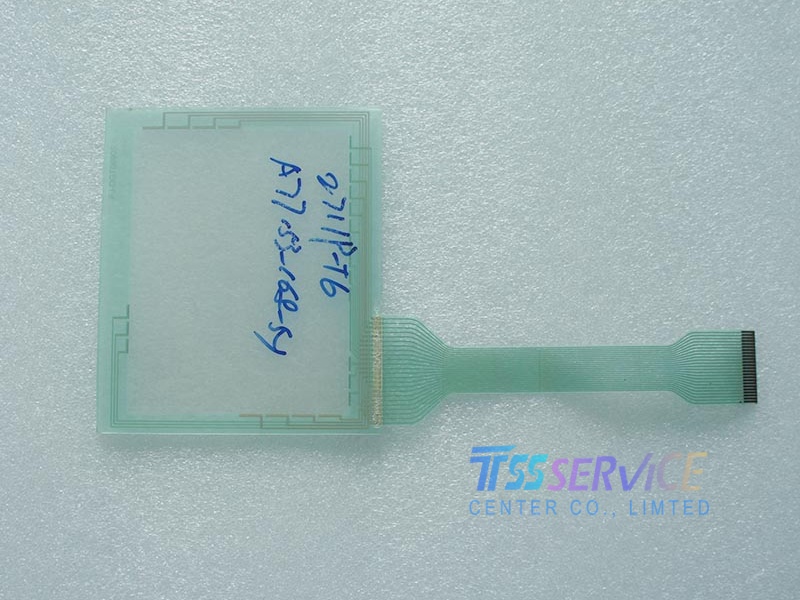
In the intricate world of industrial automation and control systems, the reliability and precision of individual components form the backbone of operational success. Among these critical components, Human-Machine Interface (HMI) panels serve as the vital conduit between operators and complex machinery. This article delves into a deep technical and practical examination of a specific, key part: the New Touch Screen A77153-168-51 AB REV 8. Far more than just a spare part number, this designation represents a significant iteration in HMI technology, promising enhanced durability, improved functionality, and seamless integration within demanding industrial environments.
We will explore not only its core specifications and direct applications but also the substantial benefits it delivers in terms of operational efficiency and cost management. Furthermore, we will provide crucial guidance for sourcing and implementing this component, ensuring that engineers, procurement specialists, and maintenance managers can make informed decisions that bolster system longevity and performance.
Decoding the Designation: Anatomy of the A77153-168-51 AB REV 8
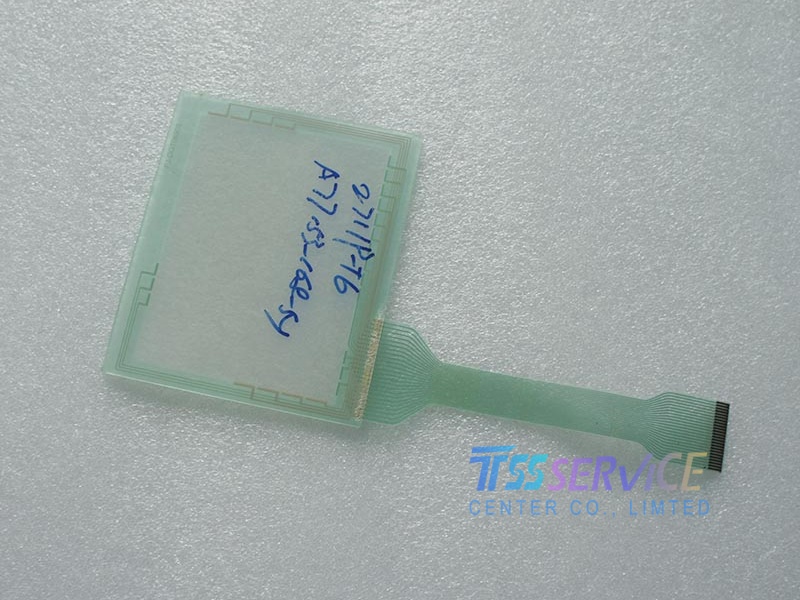
Understanding the full part number is the first step to appreciating its significance. The New Touch Screen A77153-168-51 AB REV 8 is not a random string of characters but a detailed technical identifier. Typically, "A77153-168-51" is the base model number, identifying the core screen size, resolution, and electrical characteristics. The "AB" suffix often denotes the manufacturer (commonly Allen-Bradley/Rockwell Automation) or a specific product family within their extensive catalog.
The most critical element here is "REV 8," which stands for Revision 8. This indicates the eighth major engineering revision of this particular touch screen model. Revisions incorporate:
-
Hardware Improvements: Updates to the LCD panel technology for better brightness, contrast, or wider viewing angles.
-
Enhanced Touch Digitizer: Advancements from resistive to more durable projected capacitive touch technology, improving responsiveness and scratch resistance.
-
Component Updates: Replacement of obsolete integrated circuits or power supply components with newer, more reliable, or readily available alternatives.
-
Firmware Compatibility: Internal changes that ensure compatibility with newer controllers or software suites without altering the physical form factor or mounting.
This evolution ensures the component meets contemporary industrial standards while maintaining backward compatibility.
Core Applications and System Integration
The primary application of the A77153-168-51 AB REV 8 is as a direct replacement or upgrade for existing HMI panels within Rockwell Automation's PanelView Plus series and compatible systems. It is engineered for seamless integration into control panels on factory floors, processing plants, and machinery where robust performance is non-negotiable.
This touch screen acts as the interactive window to Programmable Logic Controllers (PLCs), displaying real-time data, process diagrams, alarm lists, and control buttons. Its design is tailored for environments challenged by:
-
Constant operator interaction and potential impact.
-
Exposure to dust, moisture, and chemical vapors (when installed behind a sealed bezel).
-
Electrical noise from nearby motors and drives.
-
24/7 operational cycles requiring high mean time between failures (MTBF).
Integration is straightforward for technicians familiar with the platform. The REV 8 model is a form-fit-function replacement for earlier revisions, meaning it drops directly into the same chassis, connects to the same cables, and is recognized by the same runtime application files, minimizing downtime during replacement.
Operational Advantages and Total Cost of Ownership
Upgrading to or specifying the REV 8 version translates into tangible operational and financial benefits. The most immediate advantage is improved reliability. Newer revisions inherently contain components with lower statistical failure rates, directly reducing unplanned downtime—the single largest cost in manufacturing.
From a user experience perspective, the likely enhancements in touch technology (such as moving to a capacitive layer) result in a more intuitive, faster-responding interface. This reduces operator frustration and potential input errors. Furthermore, the improved display quality offers better readability under varying lighting conditions, enhancing situational awareness and safety.
From a procurement and inventory standpoint, opting for the New REV 8 screen is a strategic decision. It extends the lifecycle of the entire HMI unit, protecting capital investment. It also ensures a longer future supply chain for the part, as manufacturers phase out support for older revisions. This proactive approach to maintenance, choosing the latest revision, ultimately lowers the Total Cost of Ownership by mitigating emergency repair scenarios and future obsolescence headaches.
Sourcing and Implementation Best Practices
Securing a genuine New Touch Screen A77153-168-51 AB REV 8 is paramount. The market contains refurbished, used, and counterfeit components that can jeopardize system integrity. Best practices include:
-
Procure from Authorized or Highly Specialized Distributors: Source from established industrial automation suppliers who can provide traceability and warranty for the component.
-
Verify Revision Explicitly: Always confirm the "REV 8" designation in the purchase order and on the part label upon receipt. Do not accept older revisions as substitutes without understanding the potential compatibility risks.
-
Pre-Installation Check: Before installation, ensure the HMI terminal's firmware is updated to a version that fully supports the new touch screen's features. Consult the manufacturer's technical notes for REV 8.
-
Proper Handling and Calibration: Follow electrostatic discharge (ESD) protocols during handling. Upon first boot, initiate the touch screen calibration routine through the terminal's configuration menu to ensure absolute accuracy.
Adhering to these steps guarantees that the performance and longevity designed into the component are fully realized in the field.
In conclusion, the New Touch Screen A77153-168-51 AB REV 8 exemplifies how incremental engineering advancements deliver substantial real-world value in industrial settings. Its revised design focuses on enhancing reliability, user interaction, and long-term system viability. By understanding its technical pedigree, integration pathway, and economic benefits, technical decision-makers can strategically employ this component not merely as a repair part, but as a proactive upgrade that fortifies operational resilience and safeguards productivity for years to come.


