In the rapidly evolving landscape of human-machine interfaces, the introduction of a new touch screen model often signals more than just an incremental update. The New Touch Screen H3121A 12002-1 emerges as a pivotal component designed for the demanding environments of industrial automation, medical instrumentation, and advanced point-of-sale systems
In the rapidly evolving landscape of human-machine interfaces, the introduction of a new touch screen model often signals more than just an incremental update. The New Touch Screen H3121A 12002-1 emerges as a pivotal component designed for the demanding environments of industrial automation, medical instrumentation, and advanced point-of-sale systems. This article delves beyond its part number to explore the technological philosophy and practical engineering that define this unit. We will dissect its core capabilities, examine the specific challenges it is engineered to overcome, and project its impact on system design and operator experience. For engineers, integrators, and procurement specialists, understanding the nuances of this interface is key to unlocking next-level performance and reliability in critical applications.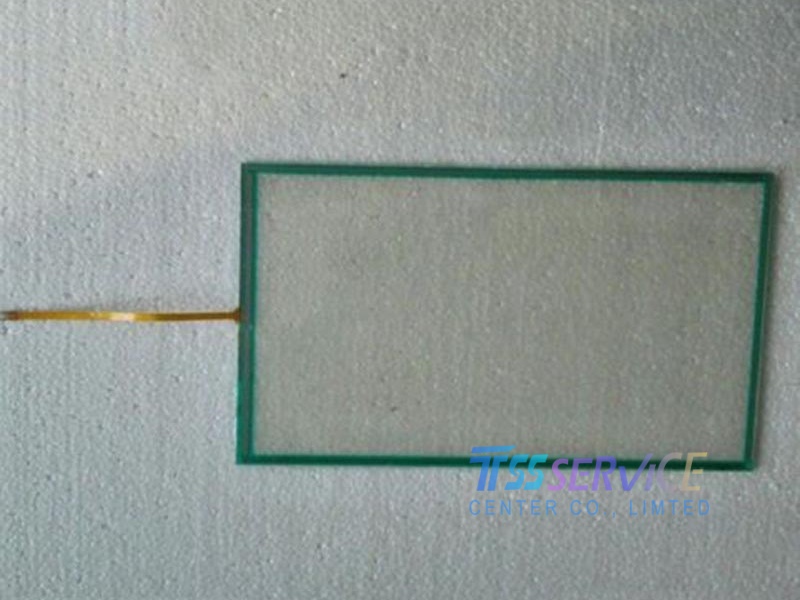
The journey begins with a fundamental question: what distinct value does this module bring to a crowded market? This section establishes the H3121A 12002-1's foundational identity and primary design objectives.
Defining the Core: Precision and Resilience in a Single Pane
The H3121A 12002-1 is not a consumer-grade tablet; it is a industrial-grade resistive touch screen, typically a 5-wire design, known for its exceptional durability and consistent performance. Its core mission is to provide a reliable input method in environments where capacitive screens would fail—settings plagued by constant moisture, contaminants, or operators wearing gloves. The "12002-1" identifier often points to a specific size, bezel configuration, and optical bonding process crucial for its application.
This module is built with a philosophy of passive robustness. Unlike active matrix displays, its functionality hinges on mechanical pressure, making it immune to false triggers from liquid or airborne particles. The surface is usually crafted from hardened glass or durable polycarbonate, designed to withstand millions of actuations, chemical splashes, and abrasive cleaning protocols. Furthermore, its optical characteristics are fine-tuned for high ambient light environments, featuring anti-glare treatments and high-brightness compatibility to ensure readability under factory lighting or direct sunlight. This combination of traits establishes it as a component chosen not for its novelty, but for its proven, unwavering reliability in mission-critical control scenarios.
Engineering for Adversity: The Sealed Environment Advantage
Having established its rugged nature, we must explore the specific engineering solutions that allow the H3121A 12002-1 to thrive where other interfaces perish. The paramount challenge in industrial and medical settings is ingress protection.
This touch screen is engineered as a key part of a sealed system. Its design prioritizes achieving high IP (Ingress Protection) ratings, such as IP65 or IP67, which signify complete protection against dust and protection against powerful jets of water. This is accomplished through:
-
Precision Gasket Integration: The unit is designed to interface perfectly with sealing gaskets within the host device's bezel, creating a uniform compression seal that blocks contaminants.
-
Optical Bonding: The critical process of laminating the touch sensor directly to the display LCD eliminates an air gap. This not only improves optical clarity and reduces internal reflection but, more importantly, prevents condensation from forming between layers—a common failure point in humid or rapidly cycling thermal environments.
-
EMI Shielding: The component often incorporates shielding to prevent electromagnetic interference from industrial machinery from disrupting touch accuracy or display signals, ensuring stable operation on noisy factory floors.
This holistic approach to sealing transforms the touch screen from a vulnerable point of entry into a fortified barrier, ensuring the longevity and hygiene of the entire enclosed system.
Integration and Calibration: The Path to Flawless Performance
A robust component is only as good as its integration. This chapter addresses the practical considerations for implementing the H3121A 12002-1 into a new or existing design, moving from theory to application.
Successful deployment hinges on understanding its electrical and software interface. The touch screen outputs analog signals or digital coordinates via a standard controller (e.g., a USB HID device). For system integrators, key steps include:
-
Mechanical Mounting: Ensuring the unit is seated evenly without stress points to maintain seal integrity and prevent "dead zones" in touch sensitivity.
-
Controller Configuration: Selecting a compatible controller with the correct driver stack for the host operating system (e.g., Windows Embedded, Linux).
-
Precision Calibration: Performing a multi-point calibration routine is non-negotiable. This software process maps the physical touch points to the exact pixels on the underlying display, compensating for any minor mechanical misalignment. A proper calibration is what translates a physical press into a precise digital command.
Neglecting these steps can lead to erratic cursor behavior, unresponsive edges, or calibration drift over time, undermining the hardware's inherent reliability. Thus, the component demands a disciplined integration protocol to realize its full potential.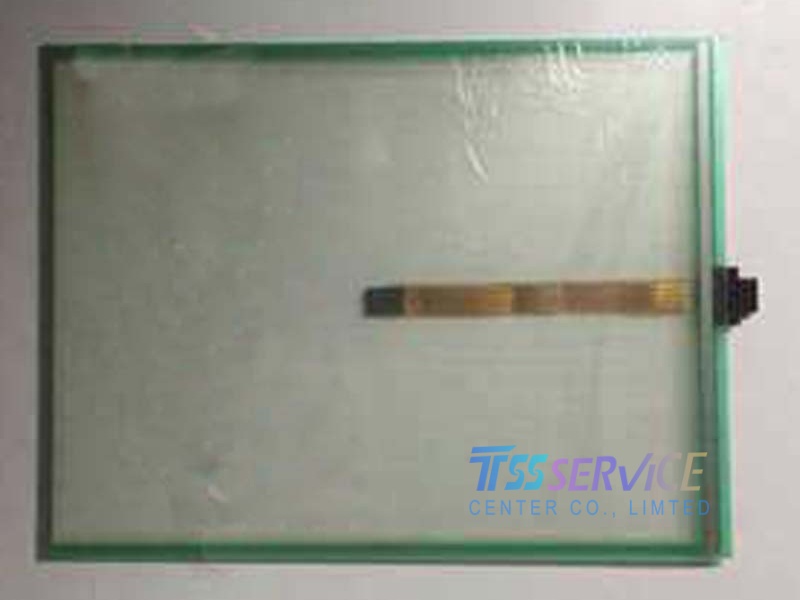
The Strategic Impact: Beyond Durability to Operational Excellence
The ultimate value of the H3121A 12002-1 transcends its physical specifications. Its adoption creates a ripple effect that enhances overall system design and user outcomes.
From a design perspective, it allows for the creation of simplified, hose-down ready devices. Medical devices can be sterilized, and food processing equipment can be cleaned aggressively without fear of damage. Operationally, its glove-compatibility means workers do not need to remove safety gear, maintaining protection and workflow efficiency. The high reliability directly translates to lower total cost of ownership by reducing downtime, service calls, and component replacements.
Perhaps most significantly, it enables consistent user interaction. In high-stress situations—from controlling machinery on a factory floor to operating life-support equipment—the tactile, positive feedback of a resistive touch, combined with flawless calibration, provides operators with confidence. This reduces input errors and cognitive load, contributing to both productivity and safety. The component, therefore, evolves from a simple part into a strategic enabler of robust, human-centric system design.
The New Touch Screen H3121A 12002-1 exemplifies how specialized components underpin advanced technological ecosystems. Its value lies in a deliberate engineering focus on resilience, precision integration, and enabling seamless human control in challenging conditions. By choosing such a component, designers commit to a philosophy of long-term reliability over fleeting trends, building systems that endure. In an age of increasing automation, the interface remains profoundly human, and the H3121A 12002-1 ensures that connection is both durable and dependable.


