In the intricate world of electronic components, selecting the right display panel is a critical decision that can define the user experience of a device. This article delves into a detailed analysis of the NL10276AC24-05, a 12.1-inch TFT LCD panel from the renowned portfolio of NEC (now part of Sharp NEC Display Solutions). This specific model, with its 31-pin LVDS interface
In the intricate world of electronic components, selecting the right display panel is a critical decision that can define the user experience of a device. This article delves into a detailed analysis of the NL10276AC24-05, a 12.1-inch TFT LCD panel from the renowned portfolio of NEC (now part of Sharp NEC Display Solutions). This specific model, with its 31-pin LVDS interface, represents a mature yet reliable solution engineered for industrial and embedded applications where longevity and stability are paramount. We will move beyond basic datasheet specifications to explore the technical nuances, practical implementation considerations, and the specific market niches where this panel excels, providing engineers, procurement specialists, and product developers with a comprehensive evaluation framework.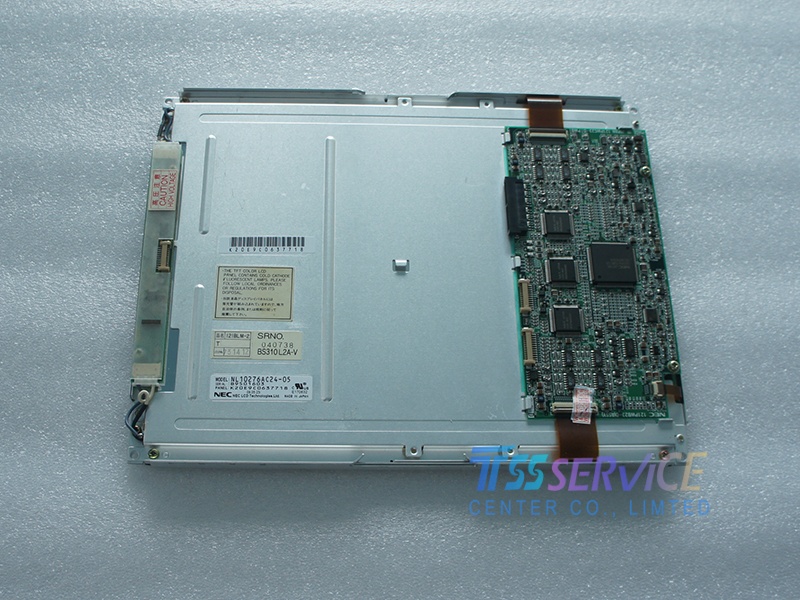
Technical Architecture and Core Performance Metrics
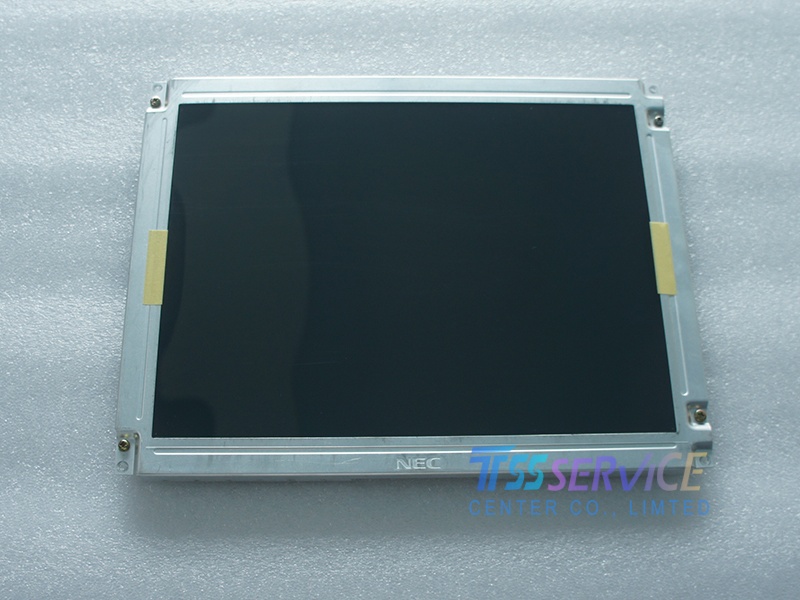
The NL10276AC24-05 is built around a Twisted Nematic (TN) active matrix TFT technology. Its 12.1-inch diagonal provides an effective viewing area with a native resolution of 800 x 600 pixels (SVGA). This XGA format offers a balanced pixel density for its size, suitable for displaying structured data, machine interfaces, and informational content without excessive graphical detail. A key performance differentiator is its high brightness output, typically reaching 500 cd/m², ensuring readability in brightly lit industrial environments or under ambient light.
Furthermore, the panel boasts a high contrast ratio, which, combined with its 6-bit + FRC (Frame Rate Control) color depth delivering 262K colors, produces clear and distinguishable images for its intended use cases. The 31-pin single-channel LVDS interface is a standard for robust, low-noise signal transmission, ensuring compatibility with a wide range of controller boards. Understanding these core metrics—resolution, brightness, interface—is foundational to assessing its fit for an application, as they directly impact power consumption, legibility, and system integration complexity.
The Strategic Niche: Industrial and Embedded Applications
This panel is not designed for consumer tablets or high-end monitors. Its true value is unlocked in harsh, demanding operational environments. The NL10276AC24-05 finds its strategic niche in industrial human-machine interfaces (HMIs), medical monitoring devices, point-of-sale systems, transportation information displays, and test and measurement equipment. The rationale for its use in these sectors is multifaceted.
First, its high brightness and robust construction allow it to perform consistently in factories with high ambient light or temperature fluctuations. Second, the use of TN technology, while offering narrower viewing angles compared to IPS, provides faster response times and is often more cost-effective for applications where the user is directly in front of the display. Third, the long-term availability and stable supply chain typical for such industrial-grade components are crucial for products with multi-year lifecycles, reducing requalification risks for manufacturers.
Integration Considerations and Design Challenges
Successfully integrating the NL10276AC24-05 into a product requires careful planning beyond simple electrical connection. Designers must account for its physical footprint, including the precise dimensions of the active area and the bezel, to ensure proper mechanical housing. The 31-pin LVDS interface necessitates a compatible controller, often requiring a dedicated timing controller (TCON) board or an embedded graphics controller that supports the panel's specific timing parameters.
Power management is another critical consideration. While bright, the backlight (typically CCFL in this generation) is a significant power draw. Designing an efficient inverter circuit for the CCFL backlight or planning for a potential LED-backlight retrofit requires attention. Furthermore, mitigating electromagnetic interference (EMI) from the LVDS lines and ensuring signal integrity over the cable length are essential steps to avoid display artifacts and ensure reliable operation in electrically noisy industrial settings.
Comparative Landscape and Long-Term Viability
In today's market, the NL10276AC24-05 exists within a broader ecosystem of display options. It competes with newer panels featuring LED backlights for lower power consumption and slimmer profiles, as well as IPS technology panels that provide superior viewing angles. The decision to select this specific model often comes down to a trade-off analysis between performance, cost, availability, and system legacy.
For new designs, engineers might evaluate if the benefits of a modern LED-backlit IPS panel outweigh the potential requalification costs. However, for maintenance, repair, and overhaul (MRO) of existing equipment, or for new designs that must be drop-in compatible with older systems, the NL10276AC24-05 remains indispensable. Its long-term viability is secured by its role in sustaining the lifecycle of critical industrial equipment, making it a component valued for its reliability and proven track record rather than cutting-edge specifications.
The NEC NL10276AC24-05 12.1-inch TFT LCD panel exemplifies a purpose-built industrial component, offering high brightness, robust interface design, and reliable performance in demanding environments. Its analysis reveals that component selection is not merely about chasing the highest specs, but about matching technical characteristics—like TN technology and LVDS interface—to precise application needs such as HMIs and medical devices. While newer technologies advance, the enduring value of this panel lies in its stability and seamless integration within legacy and specific new systems, ensuring operational continuity. Ultimately, it serves as a reminder that in engineering, the optimal choice is often the one that delivers unwavering performance within its defined context.


