In the intricate world of industrial and embedded display solutions, selecting the right component is a critical decision that impacts performance, reliability, and total cost of ownership. This article provides a deep-dive technical and application analysis of the NL10276BC24-20, a 12.1-inch TFT LCD module from NEC's established product line. We will move beyond basic datasheet specifications to explore the real-world implications of its TN panel technology, 20-pin interface, and overall design
In the intricate world of industrial and embedded display solutions, selecting the right component is a critical decision that impacts performance, reliability, and total cost of ownership. This article provides a deep-dive technical and application analysis of the NL10276BC24-20, a 12.1-inch TFT LCD module from NEC's established product line. We will move beyond basic datasheet specifications to explore the real-world implications of its TN panel technology, 20-pin interface, and overall design philosophy.
Our exploration is structured to guide engineers, procurement specialists, and product developers. We will first establish a clear understanding of the module's core architecture and specifications. Following that, we will decode its interface and signal requirements, then critically evaluate the advantages and trade-offs of its TN panel in industrial contexts. Finally, we will synthesize this information into practical integration guidelines and application scenarios, providing a holistic view to inform your design decisions.
Core Architecture and Technical Specifications Decoded
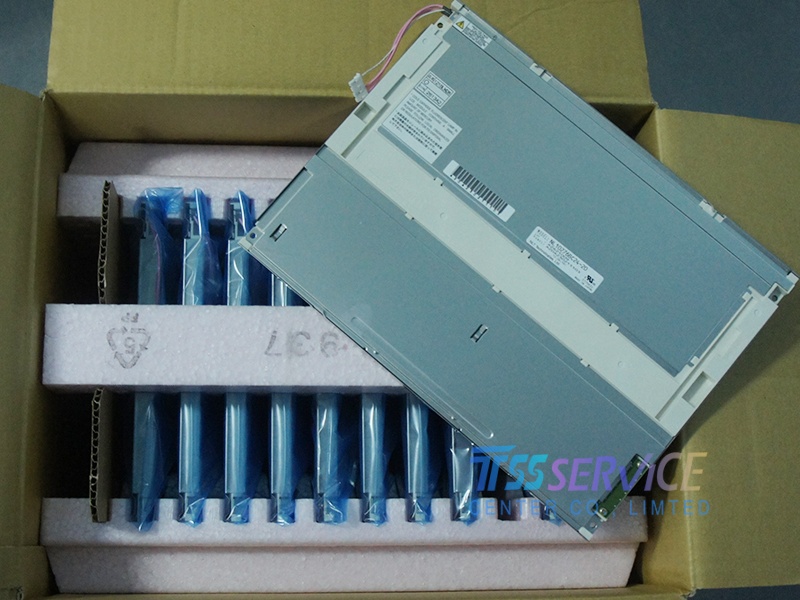
The NL10276BC24-20 is built around a 12.1-inch diagonal Thin-Film Transistor (TFT) active matrix LCD. Its native resolution of 800 x 600 pixels (SVGA) offers a balanced compromise between detail clarity and the processing power required to drive it, making it suitable for a wide range of human-machine interface (HMI) and instrumentation applications. The "BC24-20" designation is key, pointing to a specific mechanical build, backlight system, and the 20-pin interface configuration
.
At the heart of its performance are specifications that dictate its usability. The module typically features a brightness level in the range of 300-400 nits, adequate for indoor environments under controlled lighting. Its contrast ratio, a characteristic area for TN panels, is functional though not exceptional. Crucially, for industrial deployments, parameters like operating temperature range (often 0°C to 50°C or similar), storage temperature, and the longevity of the CCFL (Cold Cathode Fluorescent Lamp) backlight—often rated for 50,000 hours—are paramount. Understanding these figures is the first step in assessing environmental compatibility and lifecycle costs.
The 20-Pin Interface: Connectivity and Signal Integration
The 20-pin single-channel LVDS (Low-Voltage Differential Signaling) interface is a defining feature of this module. This interface is more than just a physical connector; it represents a specific data transmission standard chosen for its robustness against noise, which is essential in electrically noisy industrial settings. The 20-pin configuration typically carries the differential data pairs, clock signals, and power supplies necessary for operation.
For system integrators, this interface dictates the choice of timing controller (T-CON) or the compatible output from the host system's graphic controller. It requires a precise LVDS transmitter that matches the module's pin assignment and signal timing. The use of a standardized interface simplifies sourcing but places the onus on the designer to ensure signal integrity across the cable and connector assembly, especially where longer cable runs are involved. This section of the design is critical—a mismatch or poor layout here can lead to display artifacts, flickering, or complete failure.
TN Technology in Context: Performance Trade-offs for Industrial Use
The choice of Twisted Nematic (TN) panel technology is a significant cost-versus-performance decision. TN panels are known for their fast response times (often in the millisecond range), which is beneficial for displaying dynamic data or basic video content without severe motion blur. They also traditionally offer lower power consumption compared to some advanced technologies, a minor but cumulative advantage.
However, the trade-offs are well-documented: limited viewing angles (especially in the vertical direction) and more modest color reproduction and contrast compared to IPS (In-Plane Switching) or VA (Vertical Alignment) panels. For the NL10276BC24-20, this means the optimal user experience is directly in front of the display. In applications like fixed-angle kiosks, point-of-sale systems, or embedded machine control panels where the viewer's position is predictable, this limitation is manageable and justifies the cost savings. In applications requiring wide-angle visibility or superior color fidelity, this TN module would be a less ideal candidate.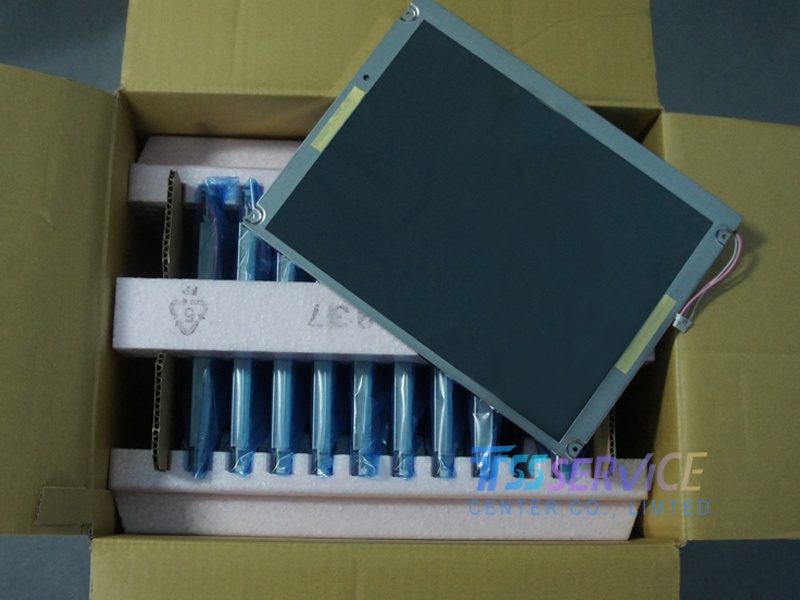
Integration Guidelines and Target Application Scenarios
Successfully integrating the NL10276BC24-20 requires attention to both electrical and mechanical details. Electrically, designers must provide a stable power supply with proper filtering, adhere to the recommended power sequencing to avoid latch-up or damage, and follow LVDS layout best practices (controlled impedance, length matching). Mechanically, the module requires a secure mounting frame, consideration of heat dissipation from the backlight, and protection from dust or moisture if used outside a sealed enclosure.
This module excels in specific, cost-sensitive industrial and commercial applications. Ideal use cases include:
-
Industrial Control Panels: For PLC interfaces, factory automation monitoring, and test equipment where viewing angles are fixed.
-
Medical Devices: For non-critical diagnostic equipment, patient monitoring displays, and ancillary devices where reliability and long-term supply are valued.
-
Point-of-Sale and Kiosk Systems: In self-service terminals and retail checkouts with direct user interaction.
-
Legacy System Upgrades: As a direct replacement for older 12.1" SVGA displays in existing hardware, leveraging the common form factor and interface.
The NEC NL10276BC24-20 represents a pragmatic solution in the embedded display landscape, offering proven reliability and a cost-effective balance of specifications for targeted applications. Its value proposition is strongest in fixed-viewing-angle industrial environments where its 20-pin LVDS interface ensures robust signal transmission and its TN panel provides adequate performance. By thoroughly understanding its technical parameters, interface requirements, and inherent technology trade-offs, engineers can make an informed decision, ensuring this display module integrates seamlessly and performs reliably throughout its extended operational life, ultimately contributing to a durable and effective end product.


