In the intricate world of industrial and embedded display solutions, selecting the right component is a critical decision that impacts performance, reliability, and the end-user experience. This article delves into a detailed examination of the NL12880BC20-32F, a 12.1-inch TFT LCD screen from NEC's esteemed lineup. More than just a product specification sheet, our exploration will uncover the engineering philosophy and practical applications behind this specific display module.
In the intricate world of industrial and embedded display solutions, selecting the right component is a critical decision that impacts performance, reliability, and the end-user experience. This article delves into a detailed examination of the NL12880BC20-32F, a 12.1-inch TFT LCD screen from NEC's esteemed lineup. More than just a product specification sheet, our exploration will uncover the engineering philosophy and practical applications behind this specific display module.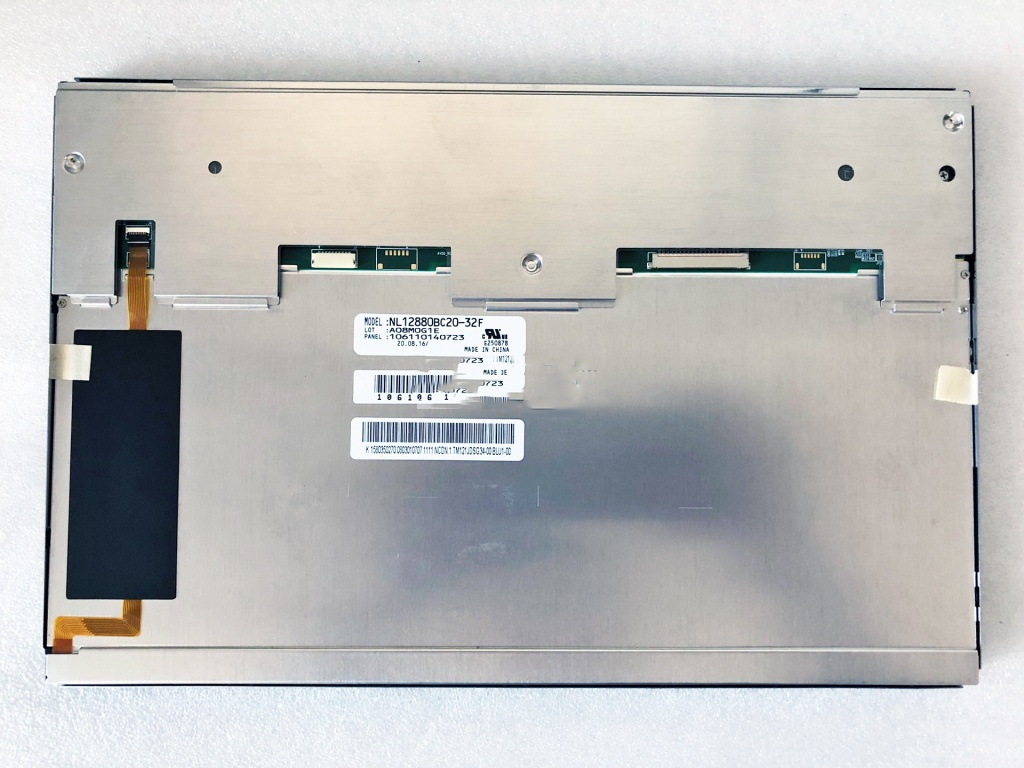
We will analyze its core technology, the UA-SFT (Ultra Advanced-Super Fine TFT) panel, and decode the significance of its 20-pin interface. By understanding its technical strengths and inherent design purpose, engineers, procurement specialists, and product developers can make an informed judgment on its suitability for demanding projects in medical, industrial automation, transportation, and test equipment sectors.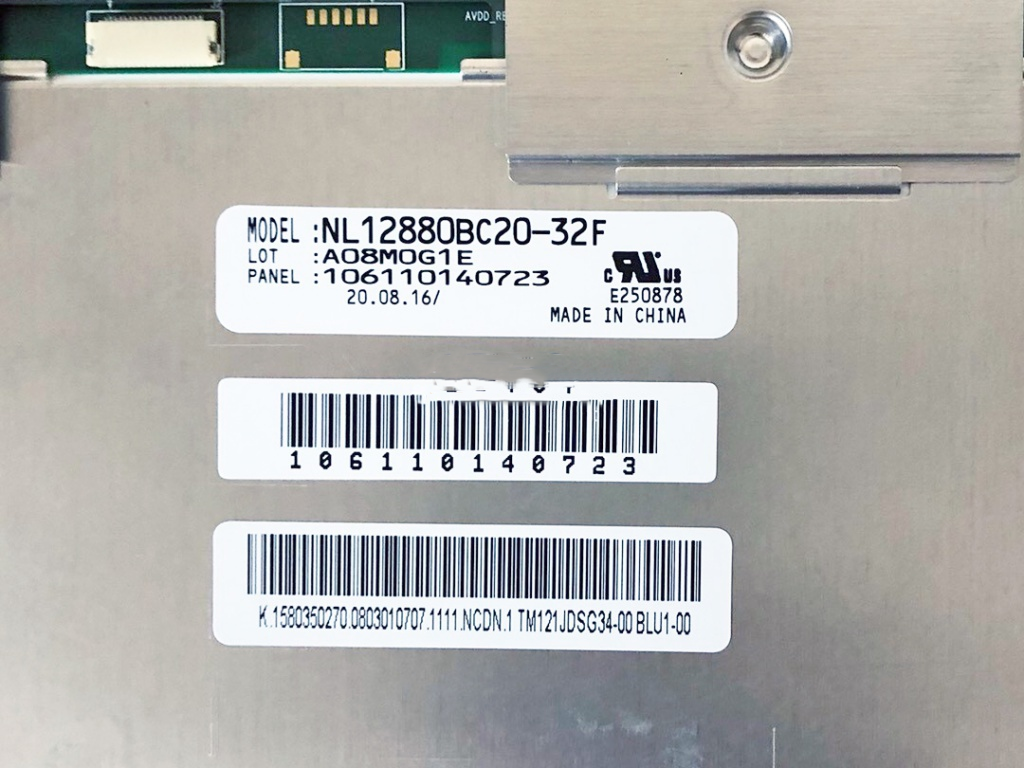
Decoding the NL12880BC20-32F: Core Architecture and UA-SFT Advantage
The NL12880BC20-32F is built around NEC's proprietary UA-SFT (Ultra Advanced-Super Fine TFT) technology. This is not merely a marketing term but a significant evolution in LCD performance. UA-SFT panels are renowned for achieving exceptional viewing angles—typically 170 degrees or more in all directions (up/down/left/right)—without the color shift or contrast inversion common in earlier generation TN panels. This is accomplished through advanced pixel electrode and alignment layer designs that provide superior control of the liquid crystal molecules.
Furthermore, this technology delivers high contrast ratios and excellent color reproduction, which is crucial for applications where visual accuracy is paramount. The "12.1-inch" diagonal with a standard 800 x 600 (SVGA) resolution offers a balanced pixel density for clear text and graphics in human-machine interfaces. The module's architecture integrates the LCD panel, LED backlight unit, and controller circuitry into a cohesive, robust unit designed for integration, emphasizing reliability over consumer-grade aesthetics.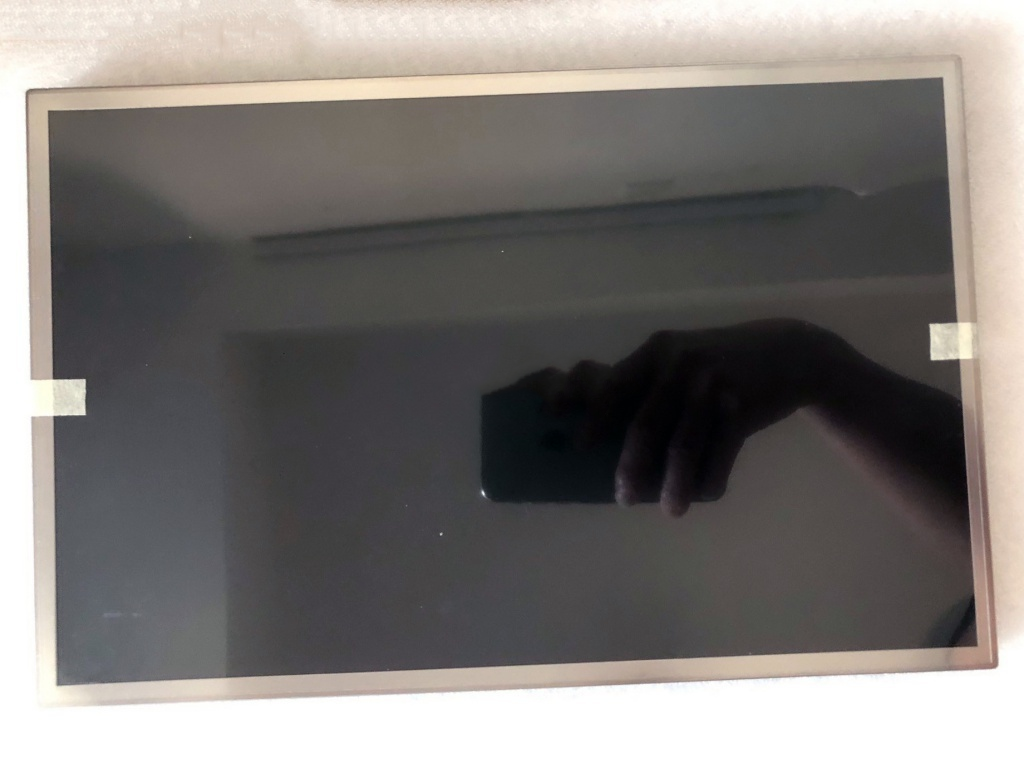
The Critical Role of the 20-Pin LVDS Interface
The "20 pins" specification in the model name is a defining feature, pointing to its LVDS (Low-Voltage Differential Signaling) interface. This is a critical differentiator from consumer screens using HDMI or VGA. LVDS is the industry-standard interface for robust, noise-resistant data transmission in electrically noisy environments. The differential signaling method minimizes electromagnetic interference (EMI), ensuring a stable and clear image signal over longer cable runs within a device.
The 20-pin single-channel LVDS configuration of the NL12880BC20-32F is optimized for its SVGA resolution. It efficiently transmits the RGB data, clock, and control signals with low power consumption. For system integrators, this interface dictates the choice of compatible controller boards or system-on-chip (SoC) outputs. Understanding this pinout and signal requirement is essential for successful hardware design, ensuring seamless communication between the host processor and the display without signal integrity issues.
Application-Specific Strengths and Environmental Considerations
The technical specifications of this NEC screen translate directly into tangible benefits for specific market verticals. Its combination of wide viewing angles, high brightness (typically 450 nits or higher), and stable LVDS interface makes it an ideal candidate for:
-
Medical Diagnostic Equipment: Where consistent color and clarity from varying angles are non-negotiable.
-
Industrial Control Panels (HMI): Built to withstand 24/7 operation in factories with potential electrical noise and require wide viewing for operators.
-
Transportation and Marine Systems: Where sunlight readability and reliability under varying temperatures are critical.
-
Test and Measurement Devices: Requiring precise graphical data representation over long product lifecycles.
The module is designed for an extended operational temperature range and offers a long-life LED backlight, underscoring its commitment to durability over disposable consumer tech cycles.
Integration Imperatives and Sourcing Strategy
Successfully implementing the NL12880BC20-32F goes beyond appreciating its specs. Integration requires careful attention to mechanical design, including mounting holes, bezel dimensions, and the connector type. Power sequencing for the backlight and logic board must adhere to datasheet specifications to prevent damage. Furthermore, as a specialized industrial component, its sourcing strategy is crucial.
This model may be in extended lifecycle management compared to consumer screens. Partnering with authorized or highly reputable distributors is essential to guarantee authenticity, access technical support, and secure a stable supply chain. Engineers must also consider the total cost of integration, including the need for compatible controller boards, cables, and potential brightness enhancement films, rather than just the unit price of the panel itself.
In conclusion, the NEC NL12880BC20-32F a paradigm of purpose-built industrial display technology, where the UA-SFT panel ensures visual fidelity and the 20-pin LVDS interface guarantees signal integrity in challenging environments. Its value is realized not in isolation but within the context of demanding applications in medical, industrial, and transportation systems. For product developers, choosing this module is an investment in long-term reliability, performance consistency, and ultimately, the integrity of the end product's user interface. Understanding its deep technical rationale is the first step toward successful and impactful integration.


