In the intricate world of industrial and embedded display solutions, selecting the right TFT-LCD panel is a critical decision that balances performance, reliability, and integration requirements. This article provides a comprehensive analysis of the NL2432HC22-50B, a 3.5-inch a-Si TFT-LCD module designed for NEC applications.
In the intricate world of industrial and embedded display solutions, selecting the right TFT-LCD panel is a critical decision that balances performance, reliability, and integration requirements. This article provides a comprehensive analysis of the NL2432HC22-50B, a 3.5-inch a-Si TFT-LCD module designed for NEC applications. We will delve beyond basic datasheet specifications to explore the unique value proposition this panel offers to engineers, product designers, and procurement specialists.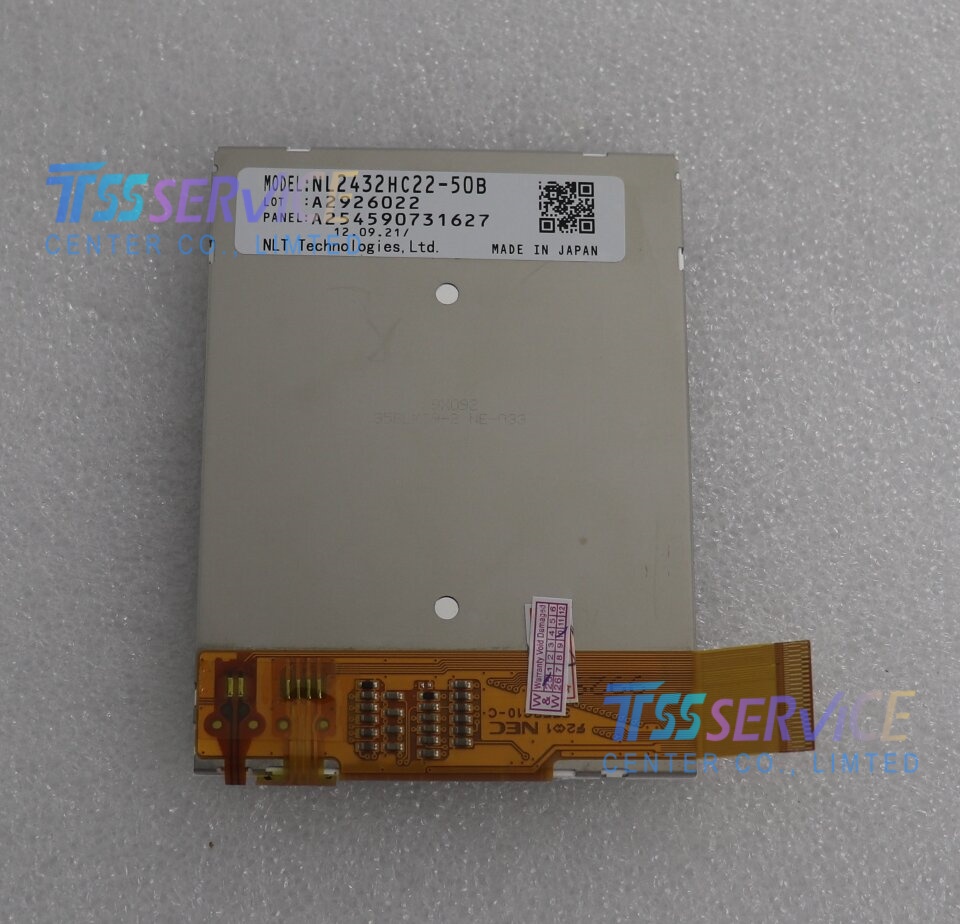
The focus of our discussion will be on its core technological attributes, practical integration considerations, and the specific market applications where it excels. By examining its 240(RGB)×320 resolution, interface compatibility, and robust construction, we aim to furnish you with the insights needed to evaluate its suitability for demanding projects, from medical devices to industrial human-machine interfaces (HMIs).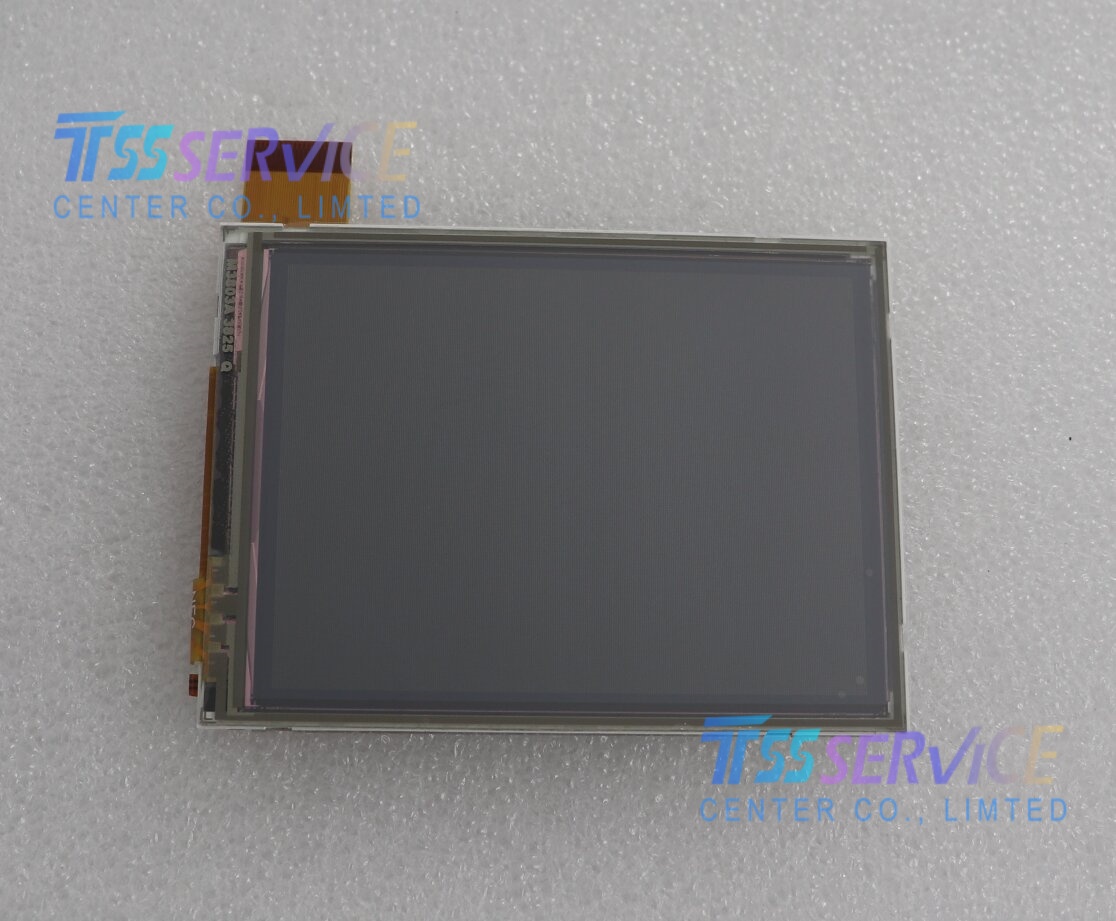
Core Technology and Visual Performance Breakdown
At the heart of the NL2432HC22-50B lies its a-Si (Amorphous Silicon) TFT technology, a mature and highly reliable process known for its stability and cost-effectiveness in mid-size displays. The panel delivers a native resolution of 240 horizontal pixels per color channel (RGB) by 320 vertical lines, resulting in a total of 240x320 pixels. This QVGA-level resolution on a compact 3.5-inch diagonal screen yields a sharp pixel density suitable for displaying detailed icons, readable text, and clear graphical user interfaces without excessive power draw.
The module's optical performance is tailored for consistent readability. It typically features a balanced combination of brightness and contrast ratio, ensuring visibility under various ambient lighting conditions. Key performance metrics to consider include:
-
Viewing Angle: Utilizing specific display modes (TN or VA derivatives), it offers stable color and contrast across a wide operational angle, crucial for devices viewed from off-axis positions.
-
Color Depth: Capable of displaying a substantial color palette, which is essential for accurate status indication and intuitive UI design.
-
Backlight System: The integrated LED backlight provides uniform illumination and long lifespan, a vital factor for products with extended service cycles.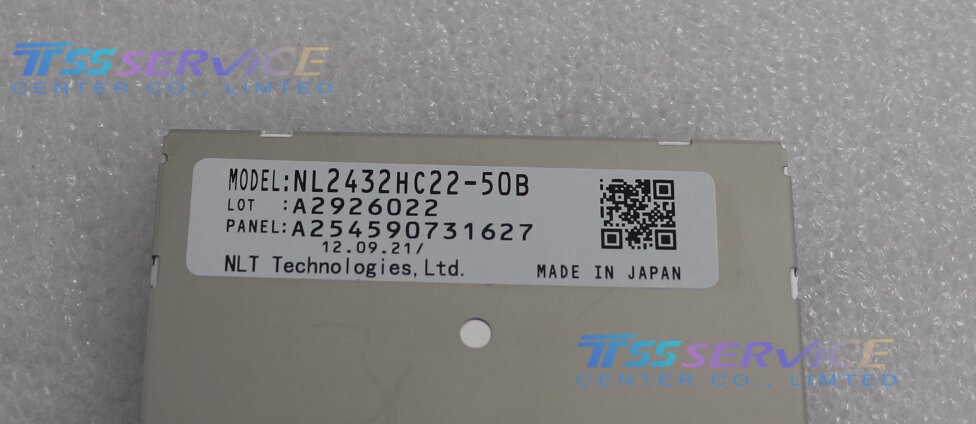
Interface and Electrical Integration Essentials
Seamless integration into an existing electronic architecture is paramount. The NL2432HC22-50B is designed with this principle in mind, featuring a standardized parallel RGB interface. This common interface simplifies connection to a wide range of microcontrollers (MCUs) and application processors that include a dedicated LCD controller, reducing development time and complexity.
The module operates on a single low-voltage power supply, typically +3.3V or +5.0V, aligning with modern low-power system designs. Electrical integration requires careful attention to the timing requirements outlined in the datasheet—such as clock frequency, horizontal/vertical sync pulses, and data setup/hold times—to ensure flicker-free and artifact-free image rendering. Furthermore, the inclusion of an on-board power supply circuit and LED driver minimizes the need for additional external components, streamlining the overall bill of materials (BOM) and PCB layout challenges.
Mechanical Robustness and Environmental Suitability
This panel is engineered not for consumer gadgets but for mission-critical industrial and professional applications. Its mechanical construction is a key differentiator. The module is built with a rigid metal frame or a robust plastic housing that provides structural integrity and protects the delicate glass substrate from flexure and shock. The surface is often fitted with a durable cover glass or hard-coated polarizer to resist scratches, chemicals, and abrasion encountered in harsh environments.
Environmental specifications are rigorously defined. The operating and storage temperature ranges are wide, ensuring functionality in both freezing cold and elevated heat conditions. High resistance to humidity and condensation is also a standard expectation. This ruggedness makes the NL2432HC22-50B a dependable choice for applications where reliability cannot be compromised, effectively reducing long-term failure rates and maintenance costs.
Target Applications and Competitive Advantage
The specific characteristics of the NL2432HC22-50B carve out its ideal application niches. It is perfectly suited for embedded systems requiring a compact, reliable, and clear display. Primary markets include industrial automation (HMI panels for PLCs, control units), medical devices (portable diagnostic equipment, patient monitors), point-of-sale terminals, and automotive aftermarket dash displays.
Its competitive advantage stems from a focused design philosophy: it prioritizes long-term availability, consistent quality, and proven performance over cutting-edge, high-consumer features. For OEMs, this means reduced requalification risks and a stable supply chain for the lifespan of their product. When compared to cheaper, consumer-grade panels, the NL2432HC22-50B offers superior durability and technical support, justifying its value in professional contexts where total cost of ownership outweighs initial unit cost.
In summary, the NL2432HC22-50B 3.5" TFT-LCD panel represents a specialized solution engineered for durability and integration ease in professional environments. Its strengths lie in reliable a-Si technology, a straightforward parallel interface, and a mechanically robust build that stands up to demanding conditions. This panel is not merely a display component but a critical element in ensuring the longevity and usability of industrial, medical, and embedded systems. For engineers seeking a balance of proven performance, straightforward implementation, and unwavering reliability, this module stands as a compelling and trustworthy choice in the crowded display marketplace.


