In the intricate world of industrial and embedded display solutions, selecting the right component is a critical decision that impacts product performance, reliability, and longevity. This article provides an in-depth exploration of the NL3224BC35-22, a 5.5-inch a-Si TFT-LCD module originally designed for NEC applications. We will move beyond basic datasheet specifications to examine the unique value proposition of this display in a landscape increasingly dominated by high-resolution alternative
In the intricate world of industrial and embedded display solutions, selecting the right component is a critical decision that impacts product performance, reliability, and longevity. This article provides an in-depth exploration of the NL3224BC35-22, a 5.5-inch a-Si TFT-LCD module originally designed for NEC applications. We will move beyond basic datasheet specifications to examine the unique value proposition of this display in a landscape increasingly dominated by high-resolution alternatives.
Our analysis will dissect its core technological foundation, evaluate its performance characteristics in demanding environments, investigate its classic interface and control scheme, and finally, assess its practical application relevance today. This journey is designed for engineers, procurement specialists, and product developers seeking a nuanced understanding of where a proven, specialized display like the NL3224BC35-22 fits in modern design paradigms.
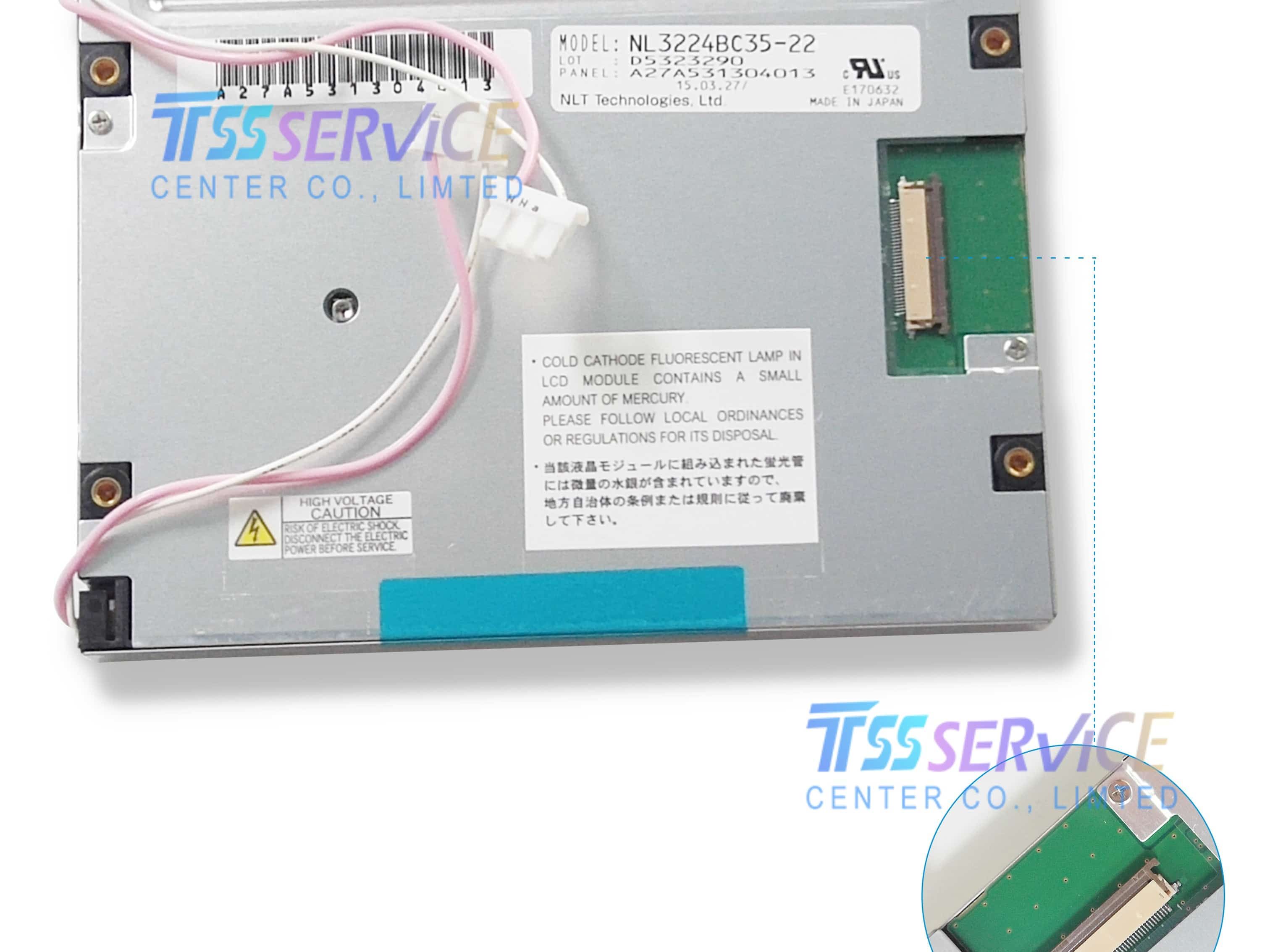
Deconstructing the a-Si TFT-LCD Foundation
At the heart of the NL3224BC35-22 lies Amorphous Silicon (a-Si) Thin-Film Transistor technology. This mature and robust fabrication process is the workhorse of the industrial TFT world. Unlike newer technologies like LTPS or IGZO which prioritize ultra-high pixel density and power efficiency for consumer gadgets, a-Si excels in stability, manufacturing yield, and cost-effectiveness for standard resolutions. The module's 320 x 240 pixel resolution, presented on a 5.5-inch diagonal, results in a clear and functional pixel pitch suitable for human-machine interface (HMI) applications where legibility and reliability trump ultra-fine detail.
The construction typically involves a ruggedized panel with a strong backlight unit, designed for consistent operation. This foundational choice of a-Si technology dictates the module's core strengths: it is not meant to be a cutting-edge visual showcase, but rather a dependable, readable, and enduring component. Its design philosophy prioritizes long-term operational integrity in controlled or challenging environments over dazzling specs, setting the stage for its performance profile.
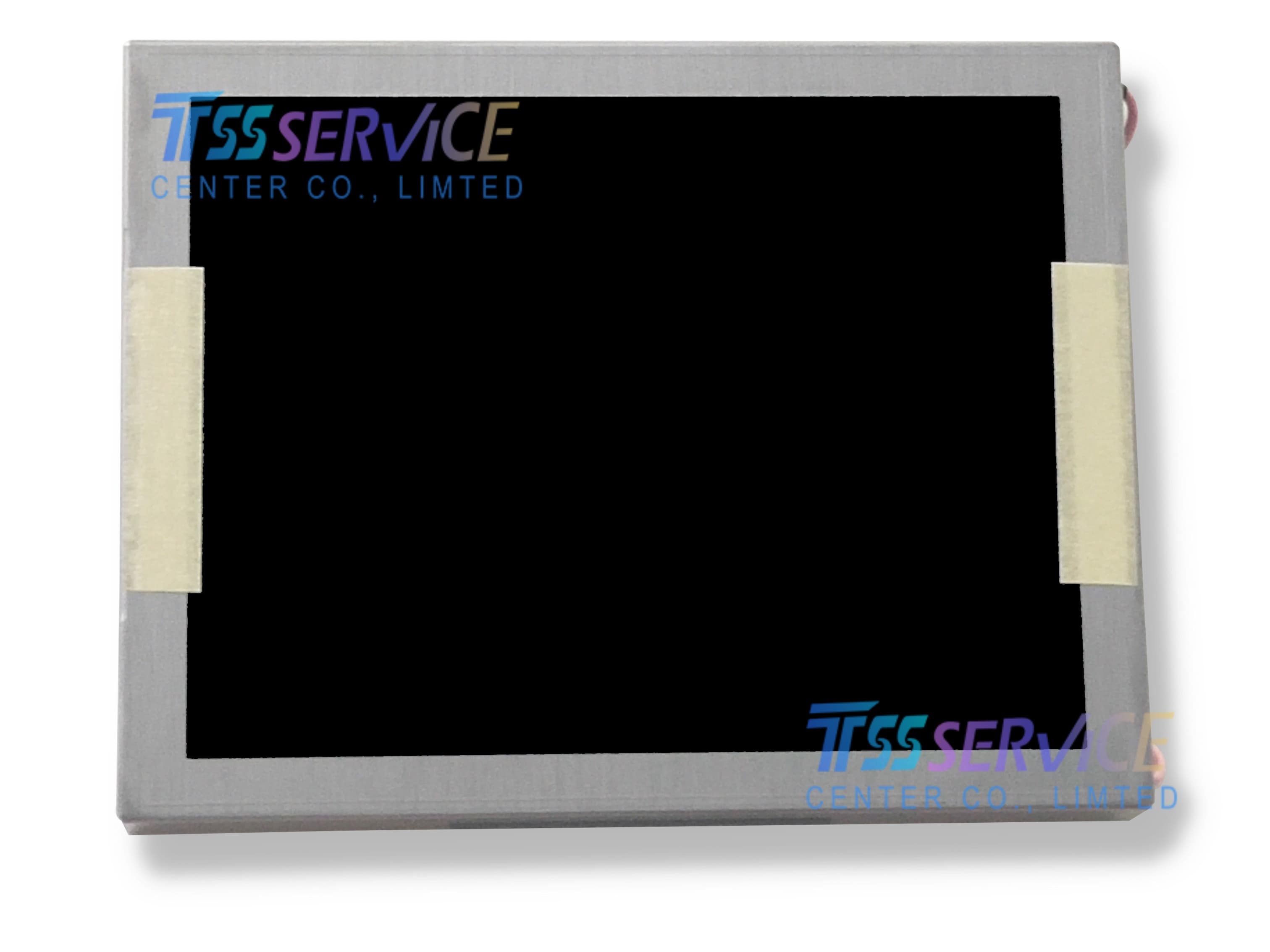
Performance in Demanding Environments: Beyond Basic Specs
The true merit of a display like the NL3224BC35-22 is revealed under stress. Its specifications translate into tangible benefits for non-benign operating conditions. A wide operating temperature range (often spanning from -20°C to +70°C) ensures functionality in everything from factory floor equipment to outdoor instrumentation. The high brightness output, typically around 300-400 nits or more, is crucial for combating ambient light and maintaining readability in sunlit or brightly lit industrial settings.
Furthermore, the contrast ratio and viewing angles, while not matching premium consumer panels, are optimized for direct-frontal interaction, common in control panels and diagnostic devices. Long-term reliability is a key selling point; these modules are engineered for extended lifespans, with backlights rated for tens of thousands of hours. This durability minimizes downtime and maintenance costs, a critical factor in industrial and medical applications where display failure can halt entire systems.
The Parallel RGB Interface and Legacy Integration
A defining characteristic of the NL3224BC35-22 is its parallel RGB (TTL) interface. This legacy interface, often using a specific pin configuration for NEC controllers, represents a different era of display connectivity compared to modern LVDS, eDP, or MIPI standards. For designers working with older microprocessor units (MPUs), FPGA platforms, or legacy system upgrades, this interface is a direct and low-latency connection that avoids complex protocol conversion.
Integration involves managing timing controls (like HSYNC, VSYNC, and DOTCLK) and color data buses directly. While it requires more host-side pins and careful signal integrity management, it offers granular control and predictability. This chapter is crucial for understanding the module's integration context: it is a seamless fit for refreshing existing product lines or for designs based on proven, stable silicon that continues to utilize parallel output, avoiding a costly and risky system redesign.
Modern Application Relevance and Niche Positioning
In an age of 4K touchscreens, does a 5.5-inch QVGA display still hold value? The answer is a resounding yes, but within specific vertical niches. Its primary applications are where information clarity, extreme reliability, and cost management are paramount. Key sectors include:
-
Industrial HMIs: Control panels for manufacturing machinery, test equipment, and PLC interfaces.
-
Medical Devices: Diagnostic equipment, patient monitors, and laboratory instruments where functional clarity is critical.
-
Point-of-Sale & Kiosks: Dedicated terminals for transactional systems or information displays.
-
Legacy Equipment Service: As a direct replacement module for maintaining and repairing existing field-deployed systems originally designed around this NEC specification.
Here, the NL3224BC35-22 is not competing with smartphone displays; it is fulfilling a role as a specialized industrial component. Its value is locked in its proven design, predictable behavior, and ability to perform without fuss for years on end in applications where the user interface is functional and fixed.
The NL3224BC35-22 5.5-inch TFT-LCD exemplifies the enduring importance of fit-for-purpose design in display technology. Its strengths—derived from robust a-Si construction, environmental resilience, a direct parallel interface, and proven reliability—categorically define it as a solution for specialized industrial, medical, and legacy applications. For engineers navigating the trade-offs between cutting-edge specs and field-proven performance, this module serves as a benchmark for selecting a display that prioritizes long-term operational integrity over transient technological trends, ensuring product success in the most demanding environments.


