In the demanding world of industrial technology, the display panel is far more than a simple window for information; it is the critical interface between complex machinery and human operators. Selecting the right display requires a deep understanding of performance under pressure, longevity, and environmental resilience.
In the demanding world of industrial technology, the display panel is far more than a simple window for information; it is the critical interface between complex machinery and human operators. Selecting the right display requires a deep understanding of performance under pressure, longevity, and environmental resilience. This article delves into the NL6448AC20-06, a 6.5-inch TFT-LCD module from NEC, engineered specifically for industrial applications.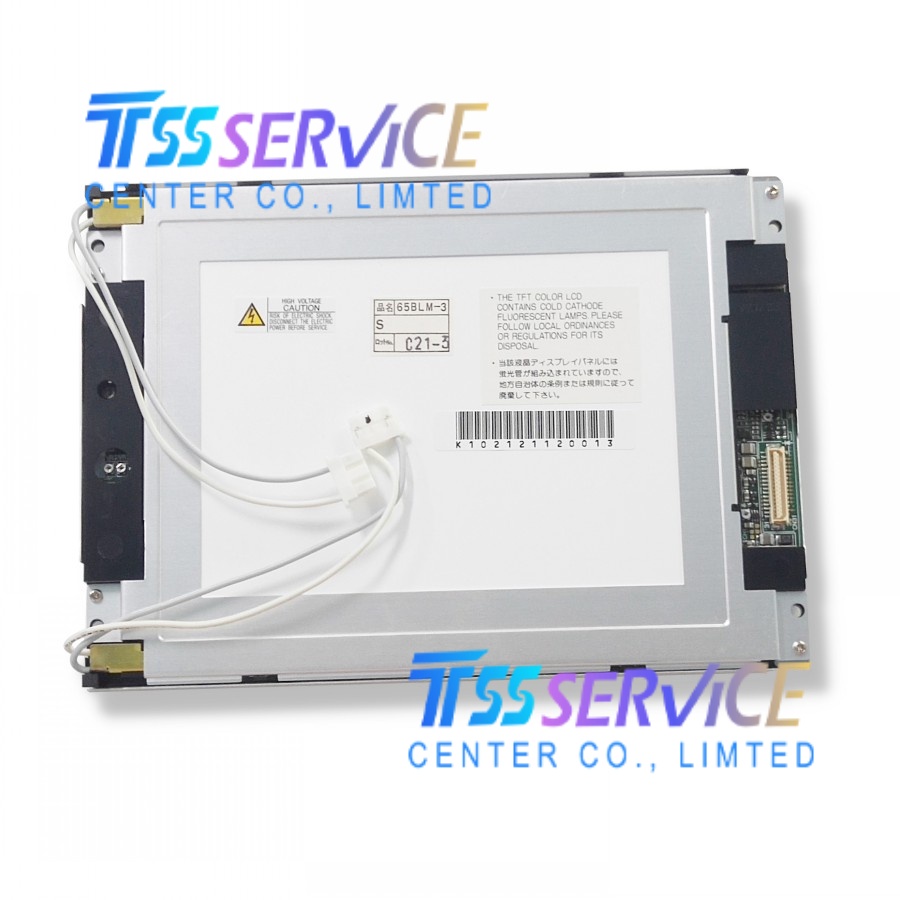
We will explore the core specifications that make this 640x480 VGA panel a reliable workhorse, dissect its robust mechanical and electrical design built for harsh environments, examine its versatile interface options for seamless system integration, and finally, analyze its ideal application scenarios. This comprehensive analysis aims to provide engineers, system integrators, and procurement specialists with the insights needed to evaluate this display as a cornerstone for durable and dependable industrial solutions.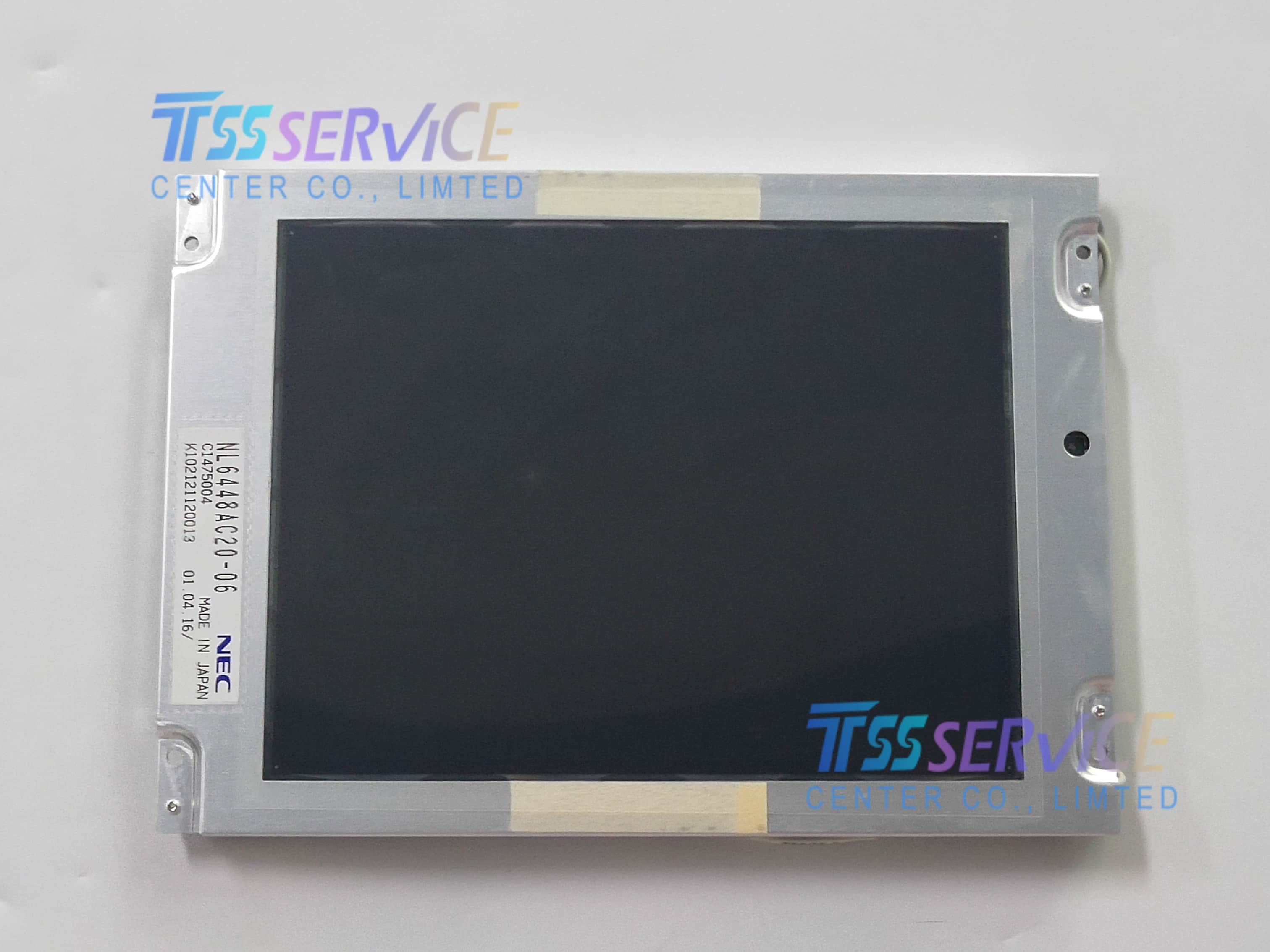
Unpacking the Core Specifications: A Foundation of Clarity and Reliability
At the heart of the NL6448AC20-06 lies a 6.5-inch diagonal a-Si (amorphous Silicon) TFT-LCD panel with a native resolution of 640 x 480 pixels. This VGA standard remains highly relevant in industrial settings due to its low processing overhead and excellent compatibility with legacy and modern control systems. The panel delivers a brightness of 300 cd/m², ensuring adequate visibility in typical factory lighting, and features a contrast ratio of 400:1 for clear differentiation between on-screen elements.
Beyond basic numbers, the module's performance is defined by its consistency and viewing characteristics. It offers a wide operating temperature range, a prerequisite for industrial use. The 6 o'clock viewing direction is a common and practical configuration, optimizing the viewing angle for most panel-mounted installations. Crucially, the backlight utilizes a CCFL (Cold Cathode Fluorescent Lamp) system with an impressive typical lifetime of 50,000 hours. This longevity translates to reduced maintenance cycles and lower total cost of ownership, a key consideration for continuous-operation environments where display failure can halt production.
Engineered for Endurance: Mechanical and Electrical Robustness
The NL6448AC20-06 distinguishes itself from commercial-grade displays through its deliberate design for physical and electrical resilience. The module is built to withstand the vibrations, shocks, and particulate exposure common in industrial plants. Its construction ensures reliable operation where lesser displays would falter.
Electrically, the panel is designed for stability. It requires a single +5V power supply, simplifying power system design. The integrated CCFL inverter is a critical component, meticulously shielded to minimize electromagnetic interference (EMI), which is vital for compliance with industrial EMC standards and for preventing noise from disrupting sensitive surrounding electronics. Furthermore, the display is rated for extended operation across a broad temperature range, ensuring that image integrity and response times are maintained whether in a chilled logistics warehouse or near a heat-generating manufacturing process. This inherent toughness eliminates the need for external protective enclosures in many cases, saving space and cost.
Interface and Integration: Connecting to Industrial Systems
A display module's value is realized only when it can be effectively integrated into a larger system. The NL6448AC20-06 provides a versatile and straightforward interface path. It accepts standard analog RGB signals, the universal language of VGA graphics, allowing for direct connection to a vast array of single-board computers (SBCs), PLC visualization modules, and embedded systems.
The module comes as a complete, ready-to-integrate unit, including the LCD panel, driver circuitry, backlight inverter, and a metal bezel for structural rigidity and mounting. This "drop-in" design significantly reduces engineering overhead for OEMs. For developers, the availability of detailed datasheets, including precise mechanical drawings and interface pinouts, facilitates a smooth integration process. The focus is on providing a predictable and stable component that behaves as specified within the system's electrical framework, allowing engineers to concentrate on application software rather than display hardware complexities.
Ideal Application Scenarios: Where This Display Excels
The specific combination of features found in the NL6448AC20-06 makes it a preferred choice for several key industrial segments. Its reliability and clarity are paramount in Human-Machine Interface (HMI) panels for factory automation, where operators monitor machine status and input commands. In the medical device field, its robust design suits non-patient-critical equipment like diagnostic instruments or laboratory analyzers that require durable, always-on displays.
Additionally, it is perfectly suited for transportation and logistics applications, including vehicle telematics terminals, forklift display panels, and warehouse management systems, where vibration resistance is crucial. Other typical uses include:
-
Industrial control and test equipment
-
Point-of-sale (POS) terminals in rugged retail or hospitality environments
-
Specialized gaming and amusement machines
-
Embedded displays in kiosks and digital signage for indoor use
In these scenarios, the module's longevity, stable performance, and VGA-level detail offer the optimal balance of functionality, durability, and cost-effectiveness.
The NEC NL6448AC20-06 represents a paradigm of purpose-built industrial design, where longevity, environmental resilience, and integration ease take precedence over consumer-oriented specs like ultra-high resolution. Its enduring VGA clarity, robust CCFL backlight, and hardened electrical design make it a dependable visual interface for the core of industry—from the factory floor to the logistics yard. For engineers seeking a proven, reliable display solution that minimizes lifetime operational risk, this module stands as a compelling choice, ensuring that critical information remains visible and accessible in the most demanding conditions.


