In the demanding world of industrial automation, medical instrumentation, and process control, the display screen is far more than an output device—it is the critical human-machine interface. Selecting the right panel requires a deep understanding of performance under pressure
In the demanding world of industrial automation, medical instrumentation, and process control, the display screen is far more than an output device—it is the critical human-machine interface. Selecting the right panel requires a deep understanding of performance under pressure, longevity, and environmental resilience. This article provides an in-depth exploration of the NL6448AC33-27, a 10.4-inch TFT-LCD panel from NEC, engineered specifically for these rigorous applications. We will move beyond basic specifications to analyze how its core technology, 640×480 resolution, robust construction, and specific interface design converge to create a reliable solution for systems where failure is not an option.
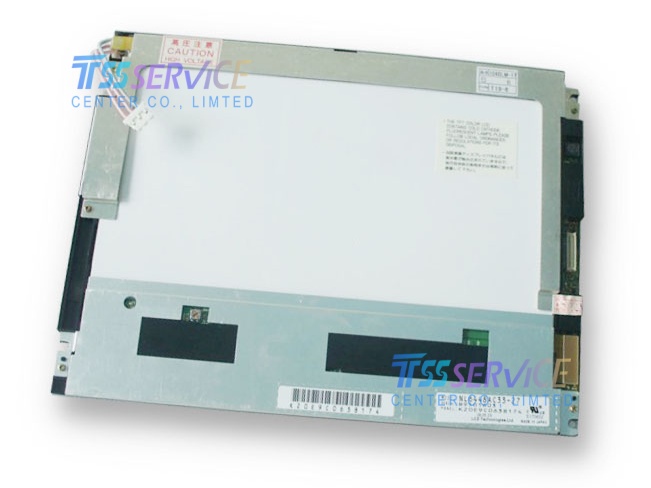
Core Technology and the Rationale Behind 640×480 Resolution
At the heart of the NL6448AC33-27 lies an amorphous Silicon (a-Si) TFT-LCD active matrix. This mature and exceptionally reliable technology offers a stable foundation for industrial use, characterized by consistent performance over wide temperature ranges and a long operational lifespan. The panel's 640×480 pixel (VGA) resolution is a deliberate and strategic choice, not a limitation. In industrial contexts, this resolution aligns perfectly with legacy control systems and modern embedded computers that continue to support VGA output, ensuring broad compatibility without the need for complex signal conversion.
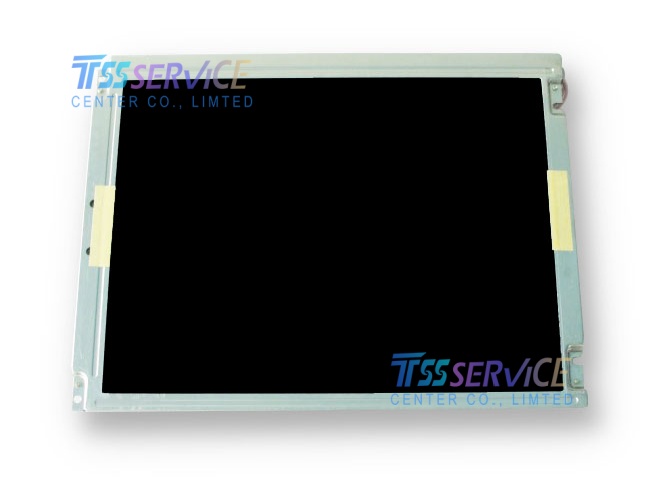
Furthermore, the lower pixel density compared to high-definition consumer screens results in larger, more legible UI elements—a critical factor for operators who may be viewing the display from a distance or in suboptimal lighting conditions. It reduces the processing power required from the host controller, allowing system resources to be dedicated to core operational logic. This combination of reliable a-Si technology and purpose-driven resolution establishes the NL6448AC33-27 as a pragmatic and efficient solution for functional interface design.
Built for Endurance: Ruggedness and Environmental Specifications
This is where the NL6448AC33-27 truly distinguishes itself from commercial-grade displays. Its design philosophy prioritizes endurance. The panel features a robust mechanical structure, often incorporating strengthened glass and durable bezels to withstand vibration and minor impacts common in factory or vehicular settings. Its operational temperature range is a key specification, typically spanning from -30°C to +80°C for the storage environment and a stable operational window around 0°C to +50°C, ensuring functionality in unheated warehouses or under the heat of industrial machinery.
Additionally, it offers high brightness levels (often 400-450 nits or more) to combat glare and remain readable in brightly lit environments. The backlight system, frequently utilizing long-life LEDs, is engineered for tens of thousands of hours of operation. These features collectively provide a level of ruggedness that guarantees continuous operation where consumer displays would rapidly degrade or fail, directly contributing to reduced maintenance costs and system downtime.
Interface and Integration: The LVDS Connection
Seamless integration into existing and new systems is paramount. The NL6448AC33-27 utilizes a Low-Voltage Differential Signaling (LVDS) interface. This is the industry-standard digital interface for robust, noise-resistant data transmission over longer cable lengths within a device or machine. LVDS is superior to older TTL interfaces in its immunity to electromagnetic interference (EMI), a constant challenge in industrial environments filled with motors, relays, and power supplies.
The use of a standard LVDS interface, with a defined pinout and timing, simplifies the design-in process for engineers. It allows them to pair the panel with readily available LVDS controller boards or FPGAs, accelerating development time. This focus on a clean, stable, and standard digital signal path ensures the visual data integrity from the host processor to the screen, preventing glitches or corruption that could lead to operator error.
Application-Specific Advantages in Key Industries
The technical attributes of the NL6448AC33-27 translate into tangible benefits across several critical sectors. In industrial automation, it serves as the face of PLCs, CNC machine controls, and test equipment, where its readability and reliability under duress are essential. The medical device field values its stable performance for diagnostic equipment and patient monitoring systems, where clarity and 24/7 uptime can be vital.
In transportation and logistics, it finds use in fleet management terminals, forklift displays, and aviation ground support equipment, enduring temperature swings and constant vibration. Furthermore, its format is ideal for point-of-sale systems, kiosks, and specialized instrumentation where a balance of size, cost-effectiveness, and ruggedness is required. In each case, the panel moves from being a commodity component to a strategic element ensuring the overall system's integrity and user confidence.
The NEC NL6448AC33-27 10.4-inch industrial display panel exemplifies engineering with purpose. Its enduring VGA resolution, robust a-Si TFT construction, severe-environment capability, and stable LVDS interface form a cohesive package designed for longevity and reliability, not fleeting specifications. For system designers and engineers in industrial, medical, and embedded fields, it represents a proven and dependable choice that reduces integration risk and ensures the human-machine interface is the last point of concern. In an era of rapid technological change, this panel stands as a testament to the enduring value of optimized, ruggedized design for mission-critical applications.


