In the specialized world of industrial and embedded display solutions, certain components become benchmarks for reliability and performance. The NL6448BC33-70C 10.4-inch a-Si TFT-LCD module, originally designed for NEC, stands as a prime example. This display, with its 640 x 480 (VGA) resolution, represents a critical workhorse technology that has powered countless applications long after its initial release
In the specialized world of industrial and embedded display solutions, certain components become benchmarks for reliability and performance. The NL6448BC33-70C 10.4-inch a-Si TFT-LCD module, originally designed for NEC, stands as a prime example. This display, with its 640 x 480 (VGA) resolution, represents a critical workhorse technology that has powered countless applications long after its initial release. This article delves beyond basic specifications to explore the enduring significance of this module.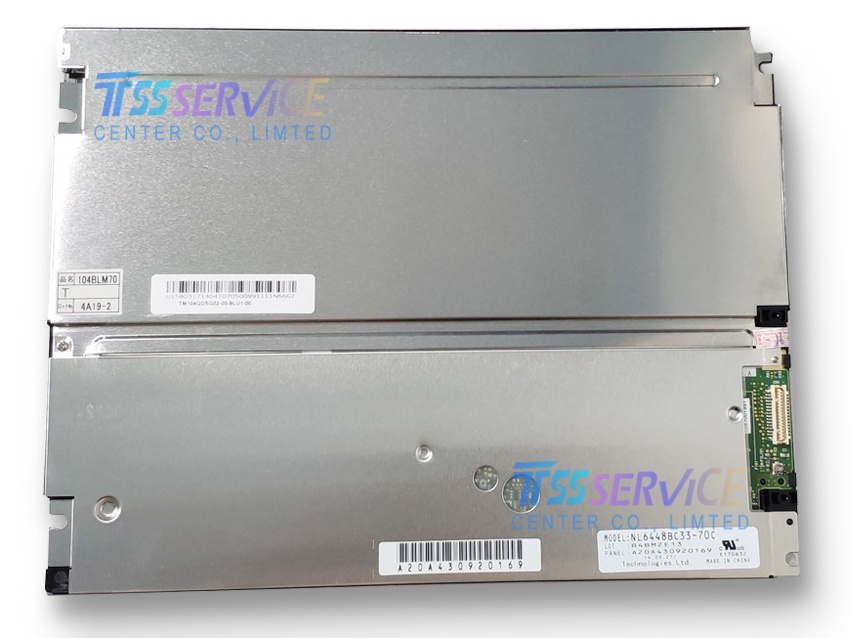
We will examine its core technological architecture, the specific market niches where it excels, the practical considerations for integration and maintenance, and its evolving role in a modern component landscape. Understanding this display is not just about reviewing a datasheet; it's about appreciating a proven solution that continues to offer immense value in demanding environments where consistency trumps the latest consumer trends.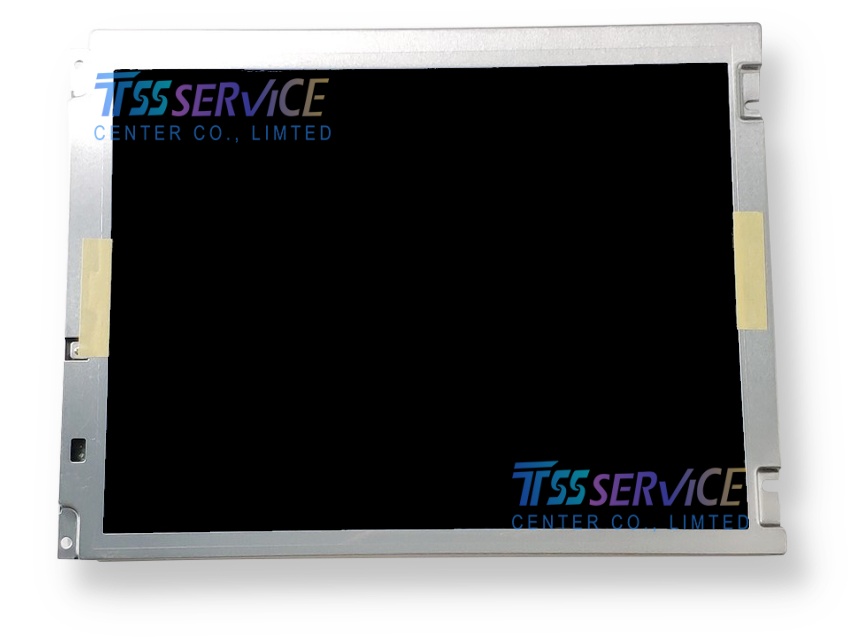
Deconstructing the Core Technology: A-Si TFT and VGA Resilience
At the heart of the NL6448BC33-70C lies Amorphous Silicon (a-Si) Thin-Film Transistor (TFT) technology. This mature and robust manufacturing process is renowned for its stability, long operational life, and cost-effectiveness at this screen size. Unlike newer technologies like IPS that prioritize wide viewing angles and high color gamut for consumer devices, this a-Si panel is engineered for reliability and clear readability in controlled or direct-view scenarios. The 640 x 480 VGA resolution is a key characteristic. While considered low by today's standards, it provides a perfect balance of information density and legibility. Each pixel is large enough to be clearly discernible, reducing eye strain in long-duration monitoring tasks. This resolution is also less demanding on system resources, making it compatible with legacy and low-power computing platforms, a crucial factor in industrial upgrades or long-lifecycle products.
Targeted Applications: Where Reliability is Non-Negotiable
The true value of this NEC display module is realized in environments where failure is not an option. Its design caters to mission-critical industrial and professional sectors. Primary applications include:
-
Industrial Human-Machine Interfaces (HMIs): Controlling machinery, factory automation systems, and process monitoring where clarity and 24/7 operation are vital.
-
Medical Equipment: Found in diagnostic devices, patient monitors, and laboratory instruments where consistent, flicker-free performance is essential.
-
Test and Measurement Instruments: Providing stable visual output for oscilloscopes, spectrum analyzers, and other precision tools.
-
Transportation and Aerospace: Used in onboard control systems and information displays where components must withstand vibration and temperature extremes.
In these fields, the module's known reliability, long-term availability of compatible parts, and straightforward interface (typically LVDS) outweigh the allure of higher resolutions.
Integration and Longevity Considerations
Implementing or maintaining the NL6448BC33-70C requires a pragmatic approach. Engineers and procurement specialists must navigate a supply chain that has shifted from primary manufacturing to reliable aftermarket and distributor channels. Sourcing becomes an exercise in vendor qualification to ensure genuine, high-quality modules. From a technical standpoint, integration involves managing its CCFL backlight system. While providing excellent brightness and uniformity, CCFLs have a finite lifespan and require an inverter. Planning for eventual backlight replacement or considering expert LED retrofit services is a critical part of long-term product support. Furthermore, ensuring compatibility with modern graphics controllers may require FPGAs or bridge boards to convert contemporary signals to the module's native LVDS input, adding a layer of design consideration for system upgrades.
The Modern Context: Legacy Workhorse in a High-Res World
In an era dominated by 4K OLEDs and high-refresh-rate screens, the persistence of the NL6448BC33-70C might seem anachronistic. However, its role is more defined than ever. It serves as a strategic component for sustainability and cost management. For manufacturers, continuing to use this proven display extends the life of existing product lines, avoiding costly full-system requalification. It represents a lower-risk, predictable alternative for new designs in conservative industries where innovation is measured in decades, not years. The module also highlights a broader industry truth: not every application needs touchscreens or ultra-high definition. There is a sustained, valuable market for "fit-for-purpose" displays that prioritize durability, long-term availability, and total cost of ownership over cutting-edge pixel counts.
The NL6448BC33-70C is far more than a discontinued LCD panel; it is a testament to engineered longevity and application-specific design. Its value lies in its proven a-Si TFT reliability, perfectly adequate VGA resolution for its target uses, and its irreplaceable role in critical industrial, medical, and instrumentation systems. For engineers and buyers, understanding this module means recognizing the importance of supply chain strategy, maintenance planning for CCFL backlights, and the economic logic behind using mature, reliable technology. In a rapidly evolving tech landscape, this display stands as a reminder that true performance is defined by an unwavering ability to fulfill a specific, demanding purpose over the long term.


