In the demanding world of industrial automation, machine interfaces, and medical equipment, the display panel is far more than a simple viewing window. It is the critical touchpoint between complex systems and human operators, where clarity, reliability, and durability are non-negotiable. This article delves into the
NLT 10.4-inch LCD Panel Display NL8060AC26-52D, a component engineered specifically to thrive where commercial-grade screens would falter. We will move beyond basic specifications to explore the design philosophy, technological strengths, and practical applications that make this panel a cornerstone for robust industrial solutions.
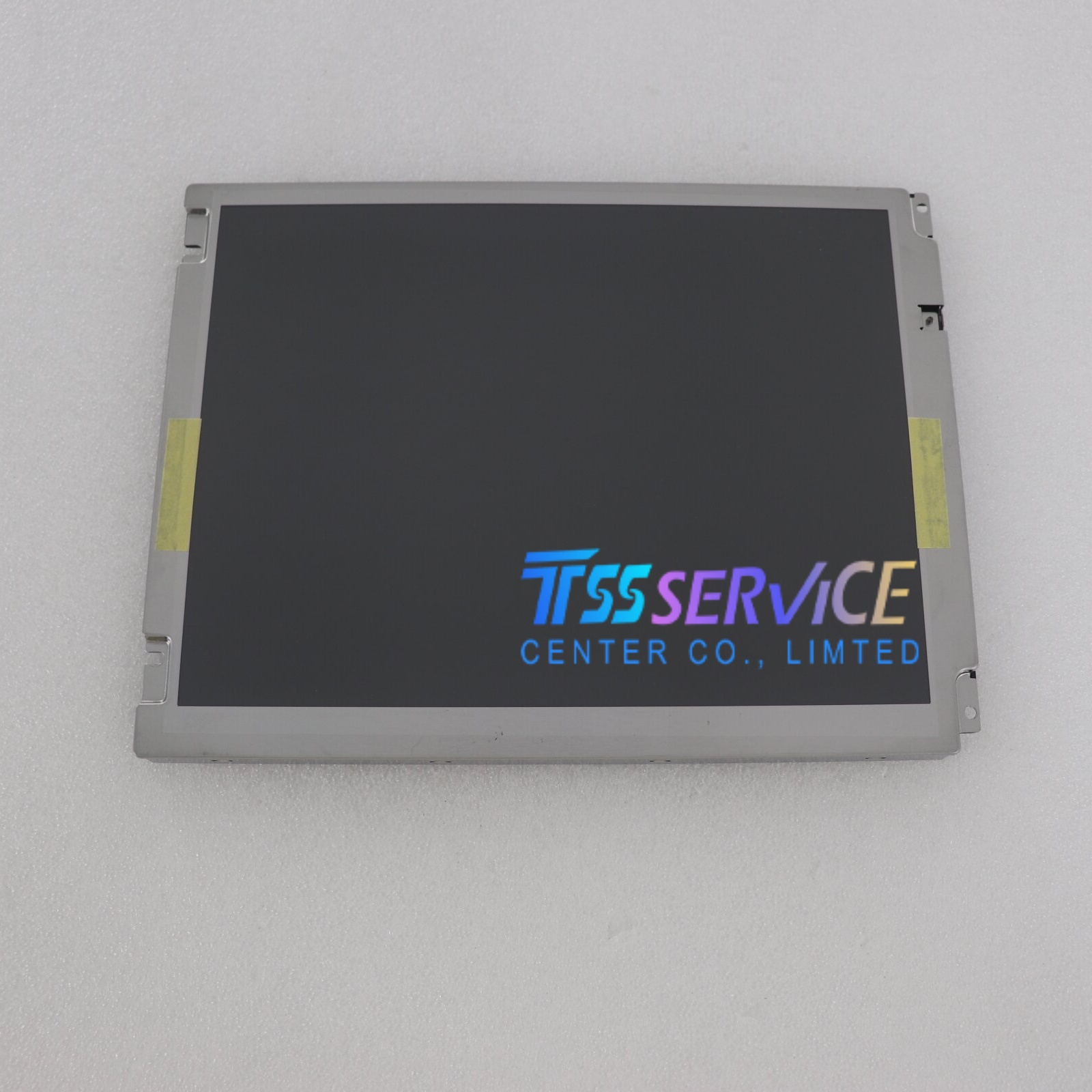
Our analysis will be structured across four key areas: the core architectural advantages of the panel, its performance under challenging environmental conditions, the critical role of its interface and signal integrity, and finally, its implementation across diverse industrial sectors. This journey will provide system integrators and product designers with a comprehensive understanding of why the
NL8060AC26-52D is not just a display, but a vital subsystem for mission-critical applications.
Engineering for Endurance: Core Architecture of the NL8060AC26-52D
At the heart of the NL8060AC26-52D lies a design ethos centered on longevity and stability. Unlike consumer displays built for a shorter lifecycle, this industrial LCD panel is constructed with high-grade materials and components rated for continuous operation. The 10.4-inch diagonal size offers an optimal balance between viewable area and panel robustness, minimizing deflection and stress. The use of an Advanced Super View (ASV) or similar high-performance LCD technology ensures a wide viewing angle, crucial for applications where the operator's position may not be directly in front of the screen.
The backlighting system is a key differentiator. Utilizing a long-life LED array, it provides consistent, uniform brightness—typically measured at 500 nits or higher—to combat ambient glare in well-lit factories or outdoor settings. Furthermore, the panel is designed with a low-heat architecture, reducing thermal stress on internal components and neighboring electronics. This foundational focus on resilient architecture sets the stage for its performance in the field, where operational continuity is paramount and failure is not an option.
Conquering Hostile Environments: Ruggedness and Reliability
The true test of an industrial component occurs not in a lab, but in the harsh realities of the factory floor, medical cart, or transportation cabin. The NL8060AC26-52D is built to pass this test. It typically operates across an
extended temperature range, often from -20°C to 70°C or wider, ensuring functionality in both freezing warehouses and hot industrial enclosures. Its design accounts for resistance to vibration and shock, protecting the delicate LCD matrix and connections from the constant hum and occasional impacts of heavy machinery.
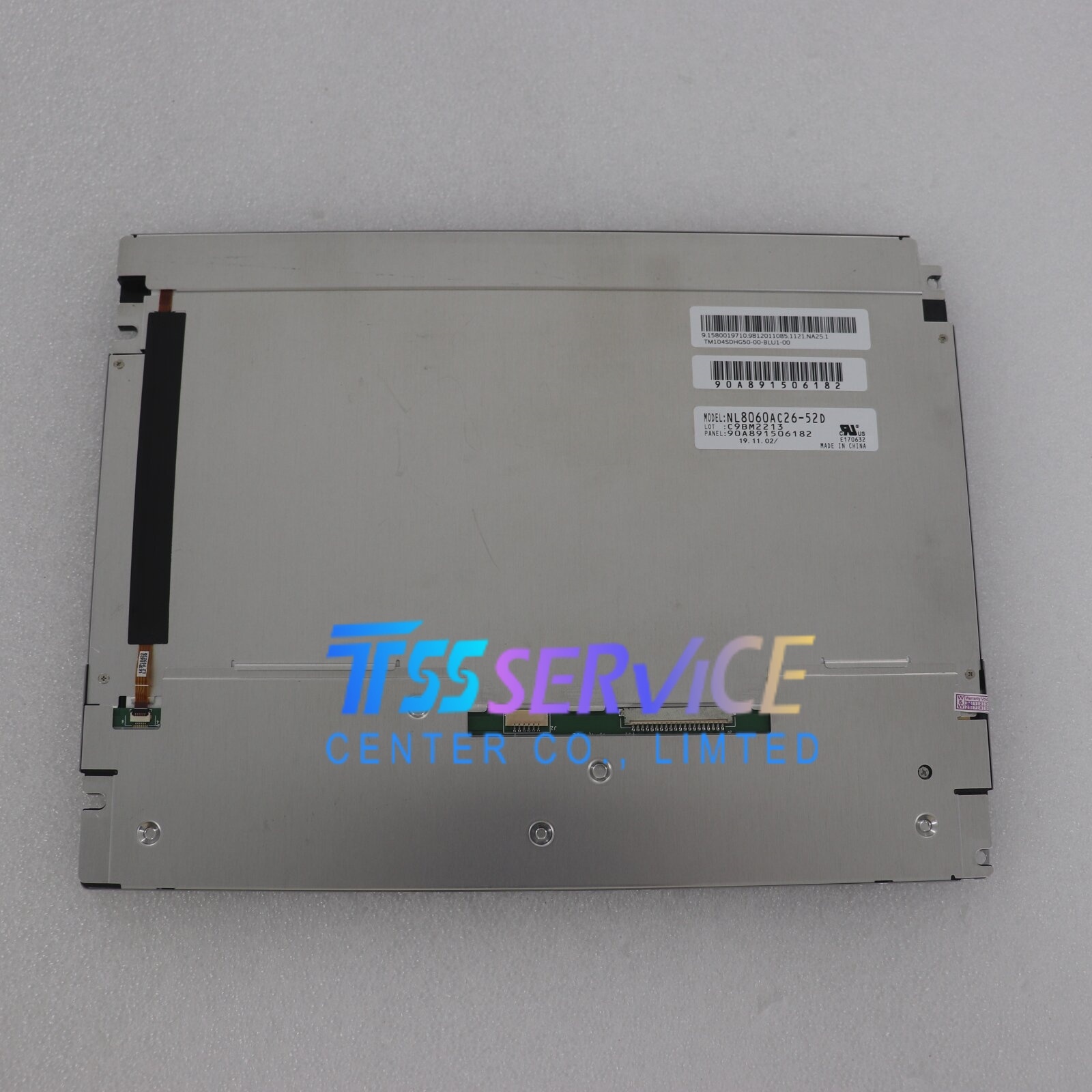
Moisture, dust, and chemical exposure are other common adversaries. While the panel itself may not be fully sealed (often the role of the final product enclosure), its construction uses coatings and materials that resist corrosion and contamination. The surface of the LCD is frequently treated with anti-glare coatings to improve readability under bright lights and is robust enough to withstand repeated cleaning with industrial solvents. This environmental fortification transforms the display from a fragile component into a dependable workhorse, capable of maintaining performance where it matters most.
The Nerve Center: Interface, Signal Integrity, and Integration
A display panel's performance is only as good as the signal it receives. The NL8060AC26-52D typically features an LVDS (Low-Voltage Differential Signaling) interface, the industry standard for robust, high-speed data transmission in noisy electrical environments. LVDS is inherently resistant to electromagnetic interference (EMI), a critical feature when the panel is placed near motors, power supplies, or wireless equipment. This ensures a clean, stable image free from flicker or distortion.
Integration ease is another crucial factor. The panel comes as a complete module, often including the driver board, backlight inverter (if CCFL), and a defined mechanical footprint. This allows engineers to focus on system-level design rather than low-level display electronics. Key considerations for integrators include:
-
Power Sequencing: Adhering to the specified voltage and timing requirements to ensure long-term reliability.
-
Mechanical Mounting: Utilizing the provided screw holes and bezel design for secure, vibration-resistant installation.
-
Signal Matching: Ensuring the host controller's output signal matches the panel's native resolution (often 800 x 600 SVGA) and timing characteristics.
This plug-and-play philosophy, backed by robust signaling, significantly reduces development risk and time-to-market.
Real-World Applications: From Factory Floors to Patient Care
The technical virtues of the NL8060AC26-52D find purpose across a spectrum of demanding fields. In industrial automation and HMI, it serves as the primary interface for PLCs and control systems, displaying real-time process data, diagnostics, and control buttons for operators. Its ruggedness ensures uptime on 24/7 production lines. Within medical devices, such as patient monitors, diagnostic ultrasound, or surgical equipment, its reliability and consistent image quality are vital for accurate readings and patient safety.
Further applications include transportation and logistics, where it powers dashboard displays for heavy machinery, fleet management systems, and warehouse sorting interfaces, enduring constant motion and temperature swings. It is also found in point-of-sale systems, kiosks, and specialized instrumentation where commercial displays would succumb to heavy public use or specialized environmental conditions. In each case, the panel acts as a silent, steadfast partner, enabling human interaction with complex technology in the most challenging circumstances.


