In the intricate world of industrial and embedded systems, the display module serves as the critical bridge between machine intelligence and human interaction. Selecting the right component is paramount, as it directly impacts usability, reliability, and the overall success of the application. This article delves into a detailed examination of the NL8060BC31-12, a 12.1-inch TFT LCD module from NEC's esteemed legacy portfolio.
In the intricate world of industrial and embedded systems, the display module serves as the critical bridge between machine intelligence and human interaction. Selecting the right component is paramount, as it directly impacts usability, reliability, and the overall success of the application. This article delves into a detailed examination of the NL8060BC31-12, a 12.1-inch TFT LCD module from NEC's esteemed legacy portfolio.
We will move beyond basic datasheet specifications to explore the unique value proposition of this module. Our analysis will cover its enduring technical architecture, the specific market niches where it continues to excel, key integration considerations for engineers, and its strategic position in today's component landscape. This deep dive aims to provide design engineers, procurement specialists, and technical decision-makers with the insights needed to evaluate this module for demanding, long-lifecycle projects.
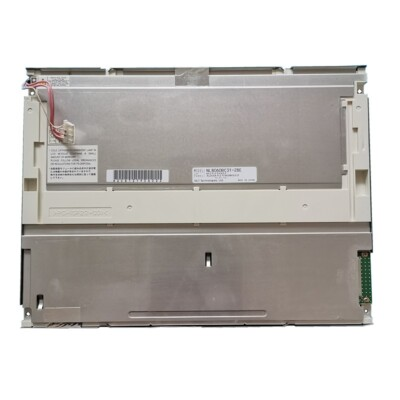
Enduring Architecture: Deconstructing the NL8060BC31-12's Core Design
The NL8060BC31-12 is built around a robust 800x600 SVGA resolution TFT panel. This 4:3 aspect ratio format, once the industry standard, remains highly relevant for a vast array of industrial and medical equipment designed in that era and still in production. The module incorporates a CCFL (Cold Cathode Fluorescent Lamp) backlighting system, a technology known for its uniform brightness and wide operating temperature range, typically from -20°C to 70°C. This makes it inherently suitable for environments where thermal consistency is a challenge.
Furthermore, the module features an integrated LVDS (Low-Voltage Differential Signaling) interface. LVDS revolutionized digital display connectivity by offering high-speed data transmission with excellent noise immunity, crucial for maintaining signal integrity in electrically noisy industrial settings. The self-contained design of the NL8060BC31-12, which includes the driver board and backlight inverter, simplifies integration by reducing the need for additional controller circuitry, providing a reliable "display engine" for system builders.
Strategic Application Niches: Where This Module Excels
While newer technologies emerge, the NL8060BC31-12 finds its sustained value in specialized, high-stakes vertical markets. Its primary stronghold is in the legacy support and long-term service of existing equipment. Manufacturers of industrial automation systems, test and measurement apparatus, and medical diagnostic devices often maintain production lines for decades; this module serves as a critical drop-in replacement for maintenance and spare parts.
Secondly, it is a preferred choice for applications where proven reliability outweighs the latest specs. Equipment deployed in manufacturing floors, outdoor kiosks, or transportation systems cannot afford display failures. The CCFL backlight's performance across extreme temperatures and the mature, well-understood LVDS interface offer a risk-averse solution. Finally, for projects with stringent cost constraints on proven technology that does not require touch functionality or ultra-high brightness, this module presents a cost-effective and dependable option.
Critical Integration and Sourcing Considerations
Successfully implementing the NL8060BC31-12 requires careful attention to several practical factors. Power supply design is crucial, as the CCFL backlight requires a high-voltage AC drive from an inverter. Engineers must ensure adequate power budgeting and proper shielding to prevent electromagnetic interference. The physical dimensions and mounting hole pattern must be precisely matched to existing chassis designs in legacy upgrade scenarios.
From a sourcing perspective, this module is typically classified as an end-of-life or mature product. Consequently, procurement strategies must be proactive. Key considerations include:
-
Supplier Vetting: Partnering with authorized distributors or reputable specialists in legacy NEC components to avoid counterfeit parts.
-
Inventory Planning: Considering last-time buys or scheduling blanket orders to secure inventory for the product's entire service life.
-
Alternate Analysis: Identifying potential pin-compatible or form-factor-compatible alternatives as a long-term risk mitigation strategy.
The Modern Context: Legacy Module vs. Contemporary Alternatives
Positioning the NL8060BC31-12 against modern alternatives clarifies its strategic use. Contemporary displays predominantly feature LED backlighting, offering thinner profiles, lower power consumption, and longer lifespans, albeit sometimes with different thermal characteristics. New interfaces like MIPI DSI are common in mobile-influenced designs but lack the noise resistance of LVDS for industrial use.
The true competitor for the NL8060BC31-12 is often a modern industrial TFT module with an LVDS interface and LED backlight. The choice then becomes a trade-off: the newer module offers efficiency and a longer future supply chain, while the NL8060BC31-12 offers absolute compatibility and proven performance in harsh conditions. The decision hinges on the project's drivers: Is it a direct legacy replacement, or a new design with flexibility for future updates?
In summary, the NEC NL8060BC31-12 is far more than a dated component; it is a specialized solution engineered for endurance and reliability in critical applications. Its value is cemented in the ongoing support of industrial, medical, and professional equipment where design longevity and operational stability are non-negotiable. For engineers navigating upgrades or long-lifecycle designs, understanding its robust architecture, ideal use cases, and sourcing landscape is essential. Ultimately, this module exemplifies how mature, well-executed technology continues to power the backbone of industry, reminding us that in many contexts, proven reliability trumps transient innovation.


