In the intricate world of industrial and embedded display solutions, the choice of a panel is a foundational decision that impacts performance, reliability, and user experience. This article delves into a detailed examination of the NL8060BC31-13S, a 12.1-inch SVGA TFT LCD panel from NEC, a name synonymous with quality in professional displays. Beyond basic specifications
In the intricate world of industrial and embedded display solutions, the choice of a panel is a foundational decision that impacts performance, reliability, and user experience. This article delves into a detailed examination of the NL8060BC31-13S, a 12.1-inch SVGA TFT LCD panel from NEC, a name synonymous with quality in professional displays. Beyond basic specifications, we will explore the engineering rationale behind its key parameters—such as its 82 PPI resolution, ruggedized design, and signal interface—and its practical implications in real-world applications. Our aim is to provide engineers, procurement specialists, and system integrators with a comprehensive analysis, moving past datasheet figures to understand where and why this specific panel excels, and what considerations are vital for successful integration.
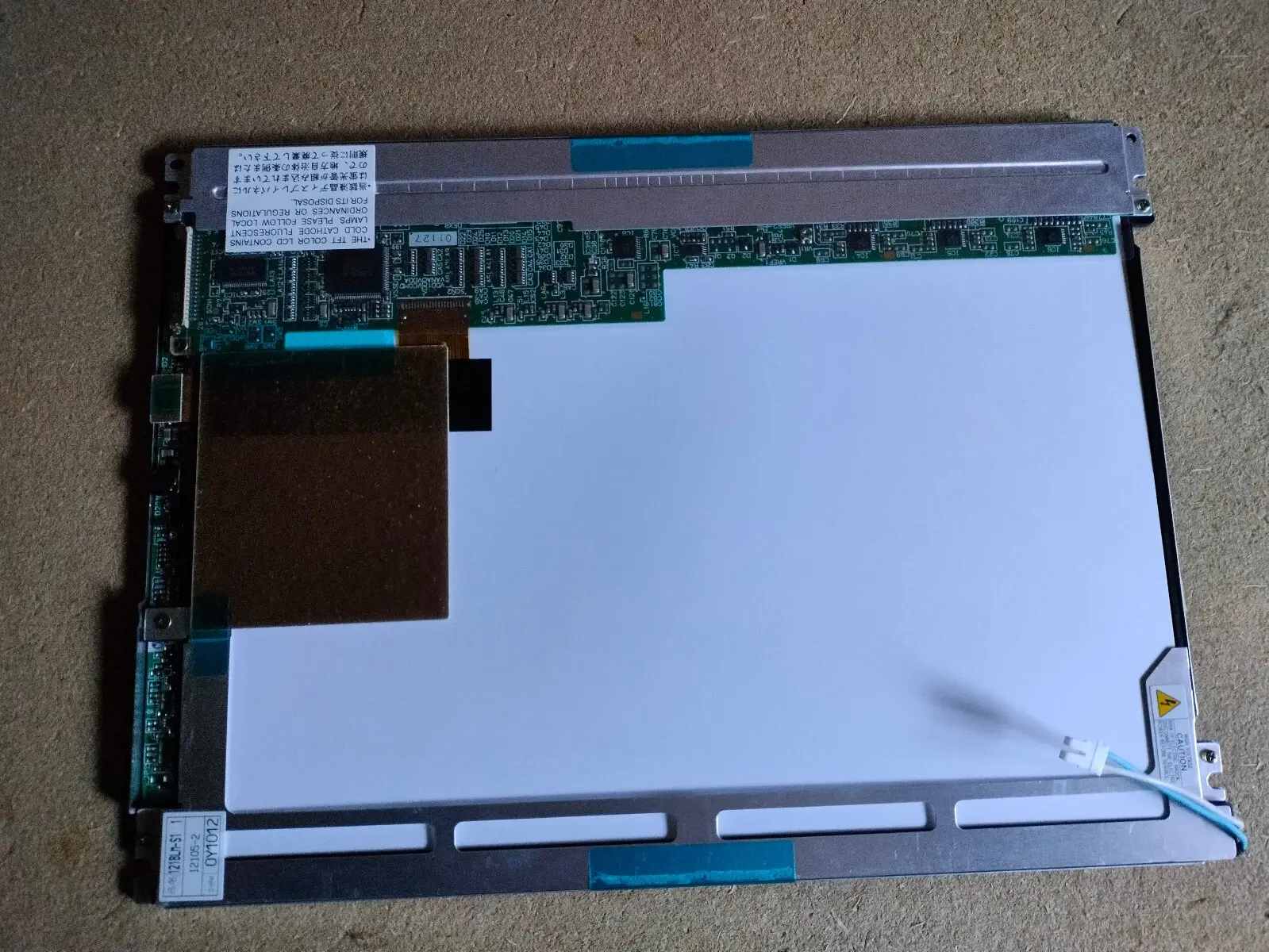
Decoding the Core Specifications: SVGA and 82 PPI in Context
At first glance, the NL8060BC31-13S presents a seemingly conventional profile: a 12.1-inch diagonal with an SVGA (800 x 600 pixel) resolution. The critical metric derived from this is its 82 pixels per inch (PPI). In an era dominated by high-PPI smartphone screens, this number requires contextual understanding. For industrial, medical, and point-of-sale applications—this panel's primary domain—82 PPI is a strategic choice, not a limitation. It ensures that individual graphical elements, text, and interface buttons are rendered with ample size and clarity, reducing operator eye strain during prolonged use. The SVGA resolution provides sufficient detail for complex machine HMI graphics or diagnostic imaging without demanding excessive processing power from the often-embedded control systems. This balance between clarity and computational efficiency is a hallmark of purposeful design, making the panel ideal for environments where functional readability trumps ultra-high pixel density.
Ruggedized Engineering for Demanding Environments
The true value of the NL8060BC31-13S is unlocked in its construction and resilience. Unlike commercial-grade panels, this NEC offering is built to withstand the rigors of 24/7 operation in non-climate-controlled settings. Its robust metal frame and strengthened glass substrate provide exceptional resistance to vibration, shock, and physical stress common in factory automation, transportation, and heavy machinery. Furthermore, it typically features a wide operating temperature range, allowing functionality in both freezing cold and intensely hot environments. The backlight system is engineered for longevity and consistent brightness output over tens of thousands of hours, mitigating the risk of dimming or failure. This ruggedized philosophy extends to excellent resistance to electromagnetic interference (EMI), ensuring stable performance when packed alongside powerful motors, generators, or communication equipment. This durability transforms the panel from a simple display component into a reliable system asset.
Integration and Interface: The LVDS Signal Standard
A key technical aspect that system designers must navigate is the interface. The NL8060BC31-13S utilizes an LVDS (Low-Voltage Differential Signaling) interface. This is a critical feature for professional applications. LVDS transmits data as a difference in voltage between two wires, which makes it highly resistant to noise over longer cable runs—a common challenge in industrial cabinet setups. It also operates at lower power and generates less electromagnetic radiation compared to older TTL interfaces. For integrators, this means cleaner signal integrity, reduced system noise, and greater flexibility in physical placement between the display and the controller board. Understanding this interface is crucial for selecting compatible controller boards (often called LCD controllers or timing controllers) and ensuring the cabling is properly specified. This focus on a robust, industry-standard signal path underscores the panel's design for seamless and reliable integration into larger electronic systems.
Strategic Application Scenarios and Competitive Positioning
Given its technical profile, the NL8060BC31-13S finds its optimal use in specific niches. It is a premier choice for industrial human-machine interfaces (HMIs), medical monitoring devices, diagnostic equipment, and specialized point-of-information kiosks. In these roles, its longevity, readability, and stability are paramount. When positioned against alternatives, its advantages become clear. Compared to newer but less ruggedized consumer panels, it offers unmatched durability. Against other industrial panels, the NEC pedigree often brings superior quality control, consistent color calibration, and reliable supply chain support. The decision to select this panel is ultimately a cost-benefit analysis focused on total cost of ownership, weighing the higher initial investment against years of failure-free operation, reduced maintenance downtime, and the assurance of performance in critical applications where a display failure is not an option.
The NEC NL8060BC31-13S is far more than a collection of specifications; it is a purpose-built solution engineered for reliability and clarity in challenging environments. Its SVGA resolution at 82 PPI offers optimized readability, while its rugged construction and LVDS interface ensure long-term stability and easy integration. This panel excels in applications where performance consistency and durability are non-negotiable, justifying its position as a trusted component in professional systems. For designers prioritizing system integrity over fleeting technological trends, the NL8060BC31-13S remains a compelling and intelligent investment for mission-critical display needs.


