In the intricate world of industrial and embedded display solutions, selecting the right component is a critical decision that impacts product performance, reliability, and user experience. This article provides an in-depth exploration of the NL8060BC31-27D, a distinguished 12.1-inch LCD module from NEC's renowned lineup. With its specific configuration of an 800 x 600 SVGA resolution and a 4:3 aspect ratio, this display represents a robust solution engineered for demanding environments beyond t
In the intricate world of industrial and embedded display solutions, selecting the right component is a critical decision that impacts product performance, reliability, and user experience. This article provides an in-depth exploration of the NL8060BC31-27D, a distinguished 12.1-inch LCD module from NEC's renowned lineup. With its specific configuration of an 800 x 600 SVGA resolution and a 4:3 aspect ratio, this display represents a robust solution engineered for demanding environments beyond the reach of standard commercial panels.
We will dissect its core technological specifications, analyze the tangible benefits of its industrial-grade construction, examine its ideal integration scenarios, and provide crucial considerations for successful implementation. This comprehensive guide aims to equip engineers, product designers, and procurement specialists with the knowledge to evaluate how the NL8060BC31-27D can serve as a cornerstone for stable and long-lasting visual interfaces in their applications.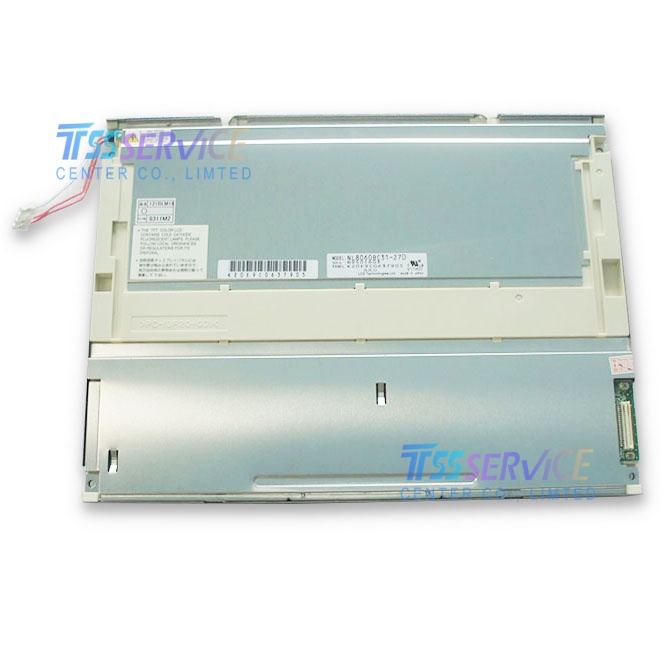
Decoding the Core Specifications: More Than Just Resolution
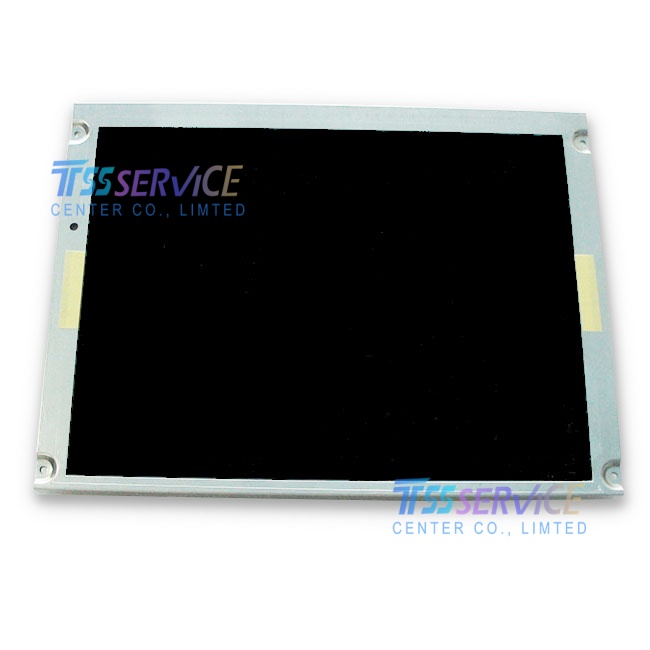
At first glance, the NL8060BC31-27D presents a straightforward specification: a 12.1-inch diagonal with an 800 x 600 pixel array. However, the depth lies in the synergy of its components. The SVGA resolution on a 12.1-inch screen yields a pixel pitch that offers excellent clarity for complex character sets, schematic diagrams, and user interface elements without demanding excessive graphics processing power. This makes it a computationally efficient choice for embedded systems.
Beyond pixels, the module incorporates a high-performance CCFL backlight system, known for its uniform brightness and stable color temperature over a wide operating range. The interface, typically a robust LVDS (Low-Voltage Differential Signaling) standard, ensures reliable data transmission with minimal electromagnetic interference. Understanding these specs—viewing angles, contrast ratio, and response time—is not about checking boxes but about appreciating how they collectively ensure consistent readability in varied lighting conditions and for dynamic content, forming the foundation of its reliability.
Engineered for Endurance: The Industrial-Grade Advantage
The defining characteristic of the NL8060BC31-27D is its construction for endurance. Unlike consumer-grade displays, this module is built to thrive where others fail. Its extended operating temperature range (often from -30°C to +80°C for certain versions) allows deployment in unheated outdoor kiosks, factory floors near machinery, or within enclosed automotive or aviation systems. This resilience is paramount for mission-critical equipment.
Furthermore, the panel is designed with enhanced durability against vibration and mechanical shock, a common challenge in transportation and industrial automation. The use of high-quality materials and a rigid mechanical structure mitigates the risk of connection failures or screen damage. The backlight's long lifespan, often rated for tens of thousands of hours, directly translates to lower total cost of ownership and reduced maintenance downtime. This section isn't about features; it's about risk mitigation and operational continuity in harsh real-world conditions.
Strategic Application Scenarios: Where This Display Excels
The technical virtues of the NL8060BC31-27D find their true purpose in specific application verticals. Its 4:3 aspect ratio is a key asset, being perfectly suited for legacy systems, industrial control panels (HMIs), and medical monitoring devices where information is often displayed in portrait-oriented lists or square diagnostic images. It remains a preferred format for many embedded systems originally designed around this standard.
Prime integration points include:
-
Industrial Human-Machine Interfaces (HMIs): Providing a clear, reliable window into manufacturing process control.
-
Test and Measurement Equipment: Displaying precise numerical data and waveforms without compromise.
-
Transportation Systems: Serving as in-vehicle displays for fleet management, rail control, or aviation infotainment, withstanding constant vibration.
-
Specialized Point-of-Sale/Kiosks: Where 24/7 operation in public spaces demands unwavering performance.
In these contexts, the display is not merely an output device but a critical component of system integrity.
Critical Considerations for Integration and Sourcing
Successfully leveraging the NL8060BC31-27D requires looking beyond the datasheet. Engineers must account for the power requirements of the CCFL backlight inverter and the module itself, ensuring the host system's power supply can deliver stable, clean power. Mechanical integration is another crucial step; careful attention must be paid to the mounting bezel design, cable strain relief, and thermal management to prevent heat buildup that could affect performance or longevity.
Perhaps the most significant modern consideration is supply chain strategy. As a component that may be in the later stages of its product lifecycle, securing a stable, long-term supply is essential. Partnering with authorized distributors or considering compatible, pin-to-pin alternative modules from other manufacturers can be a vital part of the product design and sustainability plan. This foresight ensures that the display solution remains a strength, not a point of failure, throughout the product's manufacturing lifespan.
The NEC NL8060BC31-27D stands as a testament to the enduring value of purpose-built industrial components. It delivers a precise blend of adequate resolution, exceptional environmental robustness, and proven reliability that is indispensable for professional and embedded applications. By understanding its technical foundations, recognizing its ideal use cases, and planning for practical integration and sourcing challenges, developers can harness this display module to build interfaces that are not just functional, but fundamentally trustworthy. In an era of disposable technology, such engineered reliability remains a paramount competitive advantage.


