In the intricate world of industrial and embedded display solutions, selecting the right component is a critical decision that impacts product performance, reliability, and user experience. At the heart of many specialized applications lies the NL8060BC31-51C, a 12.1-inch TFT LCD module from the esteemed portfolio of NEC (now part of Sharp/NEC Display Solutions). This display is not a consumer-grade panel but a precision-engineered component designed for integration into demanding environments
In the intricate world of industrial and embedded display solutions, selecting the right component is a critical decision that impacts product performance, reliability, and user experience. At the heart of many specialized applications lies the, a 12.1-inch TFT LCD module from the esteemed portfolio of NEC (now part of Sharp/NEC Display Solutions). This display is not a consumer-grade panel but a precision-engineered component designed for integration into demanding environments. This article delves into a comprehensive analysis of the NL8060BC31-51C, moving beyond basic specifications to explore its technological foundations, ideal application scenarios, critical integration parameters, and its enduring value proposition in a market increasingly dominated by newer panel technologies.
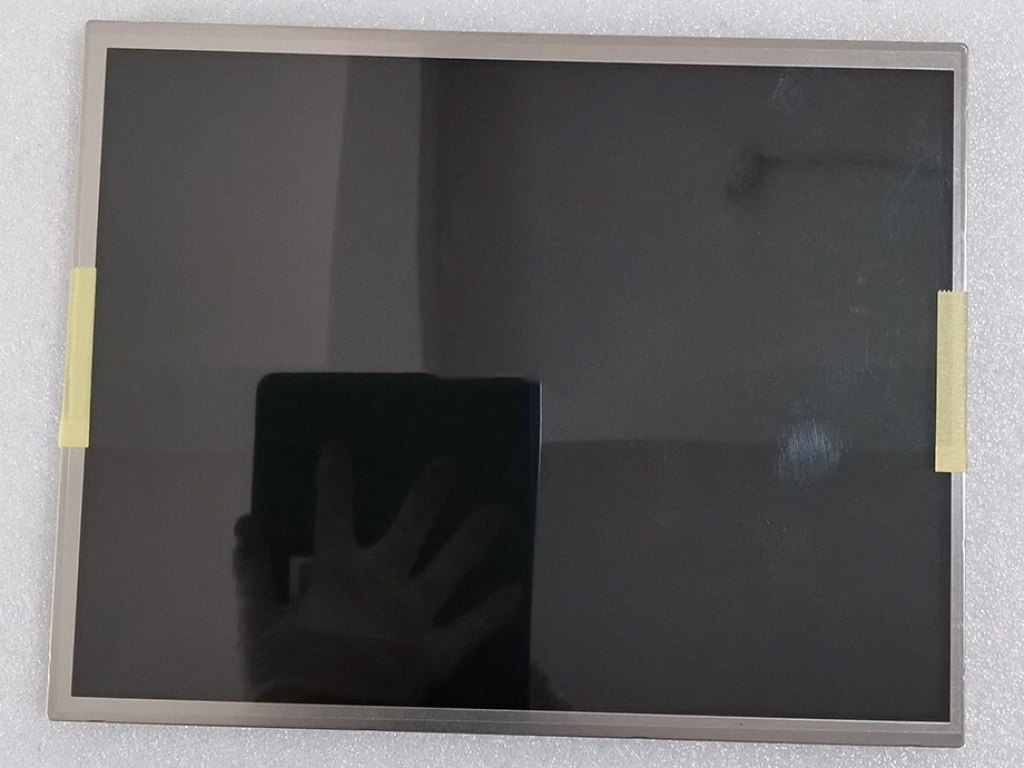
Deconstructing the NL8060BC31-51C: Core Technology and Specifications
The NL8060BC31-51C is built around a 12.1-inch diagonal Twisted Nematic (TN) TFT LCD panel with a native resolution of 800 x 600 pixels (SVGA). The choice of TN technology is significant; it offers excellent response times, high brightness, and a cost-effective structure, making it suitable for applications where viewing angles are not the primary concern. This module is characterized by its 20-pin single-channel LVDS (Low-Voltage Differential Signaling) interface, which provides robust, low-noise data transmission from the system's controller board. Key performance specs include a luminance typically around 300 cd/m², ensuring good visibility, and a contrast ratio that delivers clear image differentiation.
It is crucial to understand this module as a system-ready component. It typically includes the LCD panel, backlight unit (often CCFL-based, given its era of design), driver electronics, and a defined mechanical footprint. The 20-pin connector is the lifeline, carrying power, LVDS data signals, and backlight control. Engineers must note the specific voltage requirements for the logic and backlight circuits, as improper power sequencing can damage the module. This foundational understanding sets the stage for effective deployment.
Targeted Applications: Where This Display Excels
The true value of the NL8060BC31-51C is revealed in its application fit. It is engineered for industrial, medical, and point-of-sale systems where longevity, stability, and readability under controlled conditions are paramount. In factory automation, it serves as the interface for machine control panels, resisting the electrical noise common in such settings thanks to its LVDS interface. Medical monitoring equipment, particularly older or service-life-extended devices, often utilizes such reliable, standardized modules.
Furthermore, it finds a home in specialized transportation and logistics consoles, test and measurement equipment, and legacy kiosk systems. The SVGA resolution is sufficient for displaying structured data, schematic diagrams, and text-based interfaces without the unnecessary cost of higher resolutions. Its design prioritizes functional reliability over the wide viewing angles or vibrant color gamut required by consumer media, making it a purpose-driven solution for B2B and industrial OEMs.
Critical Integration Considerations and Design Challenges
Successfully integrating the NL8060BC31-51C requires careful attention to several technical and logistical factors. First is the backlight technology. Many existing stocks of this module use CCFL (Cold Cathode Fluorescent Lamp) backlights, which have finite lifetimes and require an inverter for high-voltage operation. Designers must account for inverter compatibility, potential electromagnetic interference (EMI), and eventual backlight replacement.
Second, the supply chain and compatibility landscape is complex. As a product with origins in NEC's older lines, availability may be through distributors specializing in legacy components. Procuring a pin-compatible or form-fit-function equivalent becomes a common task. Third, engineers must design the host system's timing controller (T-CON) or graphics output to match the module's precise LVDS signal format, pixel clock, and synchronization parameters. Failure to do so results in no display or image artifacts. These challenges underscore the need for thorough evaluation and testing prior to full-scale integration.
The Legacy Advantage: Sustainability and Long-Term Value
In an era of rapid technological obsolescence, modules like the NL8060BC31-51C offer a compelling argument for sustainable design and lifecycle management. For manufacturers maintaining long-term product lines—sometimes spanning 10-15 years or more—the ability to source a consistent, reliable display module is invaluable. This mitigates the massive cost and requalification effort associated with a full display redesign.
Choosing a well-documented, widely adopted legacy module supports repairability and serviceability. Technicians can replace a faulty screen in the field using a known part number, extending the operational life of expensive capital equipment. This approach aligns with circular economy principles, reducing e-waste by allowing for repair instead of wholesale replacement. Thus, the NL8060BC31-51C transitions from being merely an "old" component to a strategic asset for sustaining critical systems across industrial, medical, and commercial sectors.
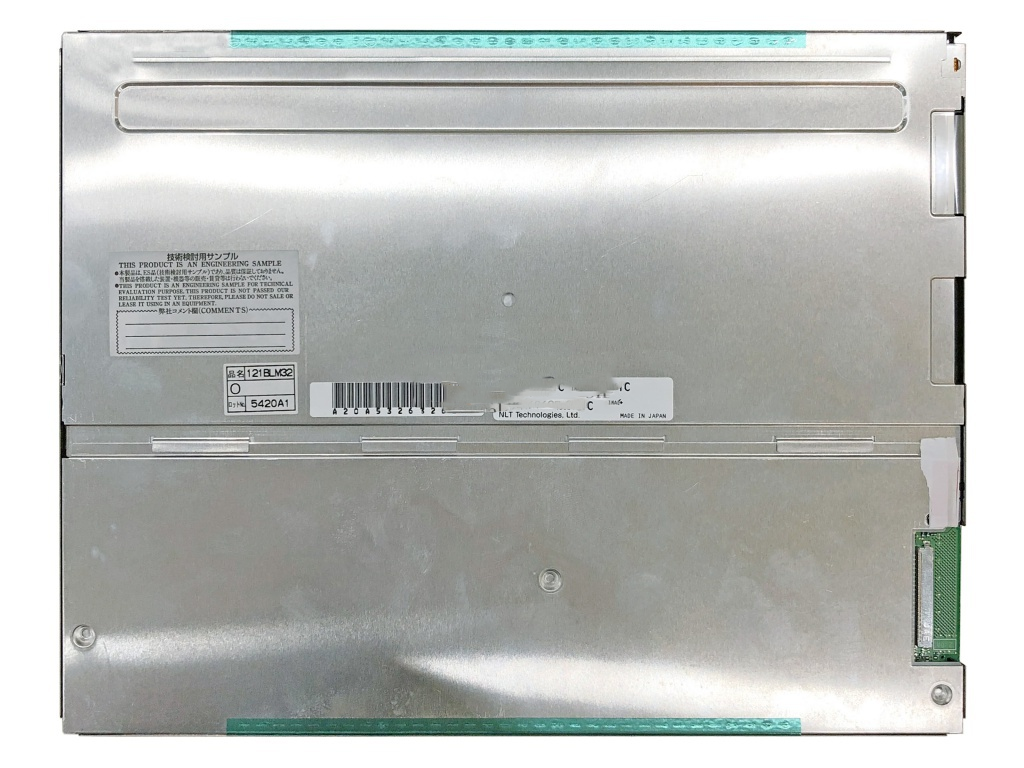
The NEC NL8060BC31-51C 12.1-inch TFT LCD module exemplifies the enduring importance of specialized, robust display solutions in industrial and embedded contexts. Its TN technology and LVDS interface provide a reliable foundation for applications where performance stability trumps cutting-edge visual specs. Successful integration demands careful attention to its backlight system, interface requirements, and sourcing logistics. Ultimately, this module's greatest strength lies in its role as a keystone for long-term product support and sustainable system design, proving that in the world of industrial components, proven reliability often holds more value than mere novelty.


