When Nobel Laureate in Physics, Professor Shuji Nakamura, speaks about the future of light, the world listens. Having revolutionized illumination with the blue LED, his gaze is now fixed on the next frontier: augmented reality. In a definitive statemen
When Nobel Laureate in Physics, Professor Shuji Nakamura, speaks about the future of light, the world listens. Having revolutionized illumination with the blue LED, his gaze is now fixed on the next frontier: augmented reality. In a definitive statement, he has declared that Micro LED is the only viable display technology for true AR glasses. This isn't merely an opinion from a distinguished scientist; it's a verdict based on the fundamental physics of light, efficiency, and human perception.
This article delves into the reasoning behind this powerful assertion. We will explore the unique properties of Micro LEDs that make them indispensable for the AR future, the critical challenges that other technologies fail to overcome, and the transformative impact this will have on the design and capabilities of next-generation wearable computing.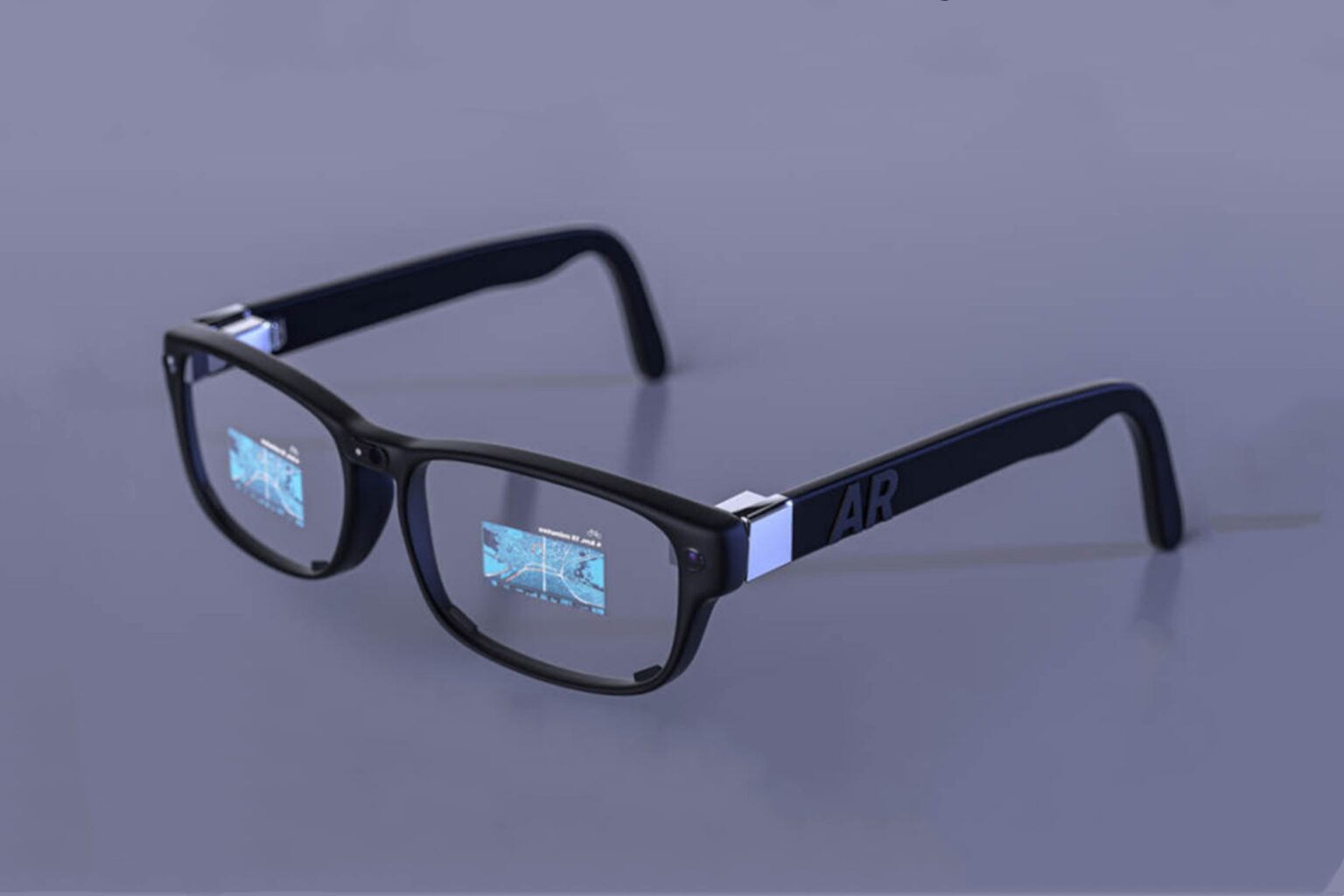
The Unmatched Demands of AR: Why Only Micro LED Delivers
The core promise of AR is to seamlessly blend digital information with the real world. This places extraordinary demands on a display technology. The image must be bright enough to be visible in full daylight, have pixel density so high it becomes imperceptible, and be energy-efficient enough to run on a small battery. OLED and traditional LCDs falter here. Their brightness struggles against sunlight, and their efficiency drops at the tiny pixel sizes required.
Micro LEDs, however, are inherently superior. As inorganic, self-emissive diodes measuring less than 50 micrometers, they generate light with exceptional efficiency and luminance. A Micro LED pixel can be individually driven to achieve extreme brightness without sacrificing contrast or color fidelity. This combination of high brightness, microscopic size, and low power consumption forms a trifecta that no other existing display technology can match for the AR use case, validating Nakamura's stance from a performance-first perspective.
The Physics of Efficiency: A Nobel Laureate's Core Argument
Shuji Nakamura's work has always centered on light emission efficiency. His critique of alternatives like OLED or Laser Beam Scanning for AR is rooted in physics. OLEDs, while excellent for TVs and phones, suffer from efficiency roll-off at high brightness and degrade over time. Their organic materials are simply not robust enough for the always-on, high-luminance demands of AR.
Micro LEDs, born from the same GaN-based semiconductor technology Nakamura pioneered, offer quantum leap in efficiency. They convert electricity to light more directly, with minimal heat waste. This translates directly to longer battery life and cooler operation—non-negotiable for a device worn on the face. For Nakamura, the choice is clear: an efficient, stable inorganic light source is the only path to an AR display that is both practical and high-performing, avoiding the fundamental material limitations of organic counterparts.
Enabling the True AR Form Factor: From Lab to Face
The ultimate impact of Micro LED technology extends beyond specs; it enables the form factor essential for mass adoption. Current AR prototypes are often bulky, largely due to the complex optics needed to relay images from a display panel to the eye. Micro LEDs' microscopic size and direct emission allow for revolutionary optical architectures, like waveguide coupling with incredibly small "picture generation units."
This means the core display engine can be shrunk to the size of a pencil tip, tucked into the temple of a pair of glasses. The result is a path toward AR eyewear that resembles ordinary eyeglasses or sunglasses in weight and style. By solving the display bottleneck, Micro LED unlocks the potential for all-day wearable AR, moving the technology from a niche tool to a ubiquitous companion, fulfilling the long-envisioned dream of contextual computing seamlessly integrated into our visual field.
Shuji Nakamura's endorsement of Micro LED for AR is a powerful signal, grounded in the relentless logic of physics and engineering. As the analysis shows, Micro LED alone meets the triumvirate of demands for brightness, efficiency, and miniaturization. While manufacturing challenges in mass transfer and yield remain, the direction is set. The future of augmented reality, and the sleek, functional glasses that will deliver it, will be built upon the microscopic, brilliant light of Micro LED displays.


