In the world of industrial automation, the Human-Machine Interface (HMI) serves as the critical bridge between the operator and the complex machinery beneath the surface
NT631C-ST51 Replacement Touch Screen Glass: A Technical Deep Dive for Industrial HMI Restoration
In the world of industrial automation, the Human-Machine Interface (HMI) serves as the critical bridge between the operator and the complex machinery beneath the surface. For facilities leveraging legacy Omron systems, the
NT631C-ST51 touch screen glass replacement is not merely a repair part; it is a restoration of operational integrity. This article provides an expert-level examination of this specific component, moving beyond basic specifications to explore its construction, compatibility nuances, and the true value of a high-quality replacement in mission-critical environments.
Understanding the NT631C-ST51: Beyond the Part Number
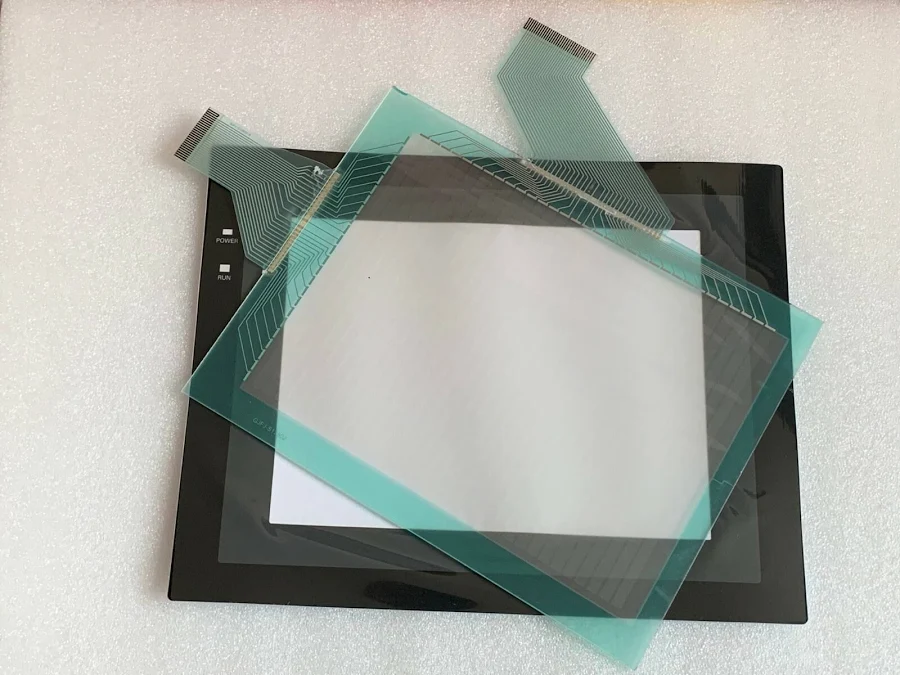
The NT631C-ST51 is a dedicated touch-sensitive glass overlay designed for the Omron NT631C Series programmable terminals. Unlike a generic capacitive screen found on consumer devices, this unit employs an analog resistive touch technology. This distinction is vital. Resistive technology registers touch through pressure, making it operable with gloved hands, styluses, or even in the presence of moisture or dust—a non-negotiable requirement on factory floors and in clean rooms.
The "ST51" designation typically refers to a specific revision of the touch film assembly and the tail (flexible printed circuit) connector configuration. When sourcing a replacement, ensuring the revision matches your original unit is the first step toward a successful retrofit. While the physical dimensions and the electrical parameters of the resistive matrix are standardized for the NT631C chassis, the tail length and connector pitch can vary slightly, necessitating a precise match.
Anatomy of a High-Quality Replacement: The Material Science
Not all replacement glasses are created equal. The NT631C-ST51 replacement can be broken down into three critical layers, each requiring specific material properties to ensure longevity and performance:
-
The Top Layer (Film): This is the flexible polyester film that the operator touches. Premium replacements use a hard-coated, anti-glare (AG) film that resists scratching from repeated use and reduces reflection under harsh ambient lighting. Inferior films may exhibit yellowing over time or develop "pin-cushioning" where sensitivity drifts.
-
The Bottom Layer (Glass): This is the rigid substrate coated with a conductive Indium Tin Oxide (ITO) layer. High-grade glass is chemically tempered to prevent cracking from accidental impacts. Standard replacements may use thinner, non-tempered glass, which is prone to shattering if the bezel is torqued during installation.
-
The Spacer Dots: Invisible to the eye but critical to function, microscopic spacer dots separate the top and bottom conductive layers. A well-manufactured ST51 will have uniformly distributed and precisely sized spacers, ensuring that a light touch activates the correct X-Y coordinate without "ghosting" or dead zones.
Compatibility and Signal Integrity: The Electrical Interface
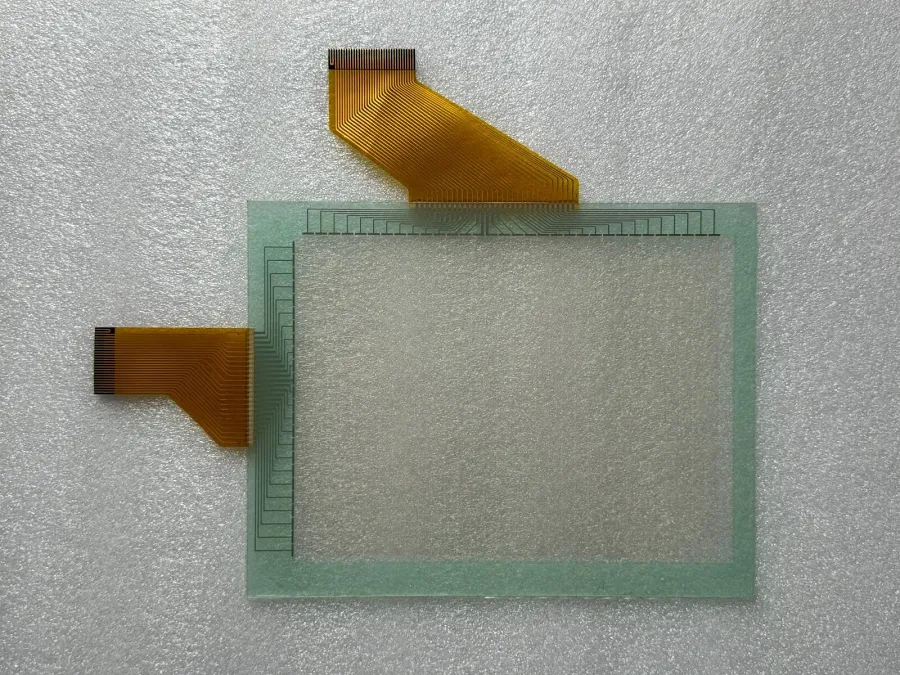
The NT631C-ST51 communicates via a 4-wire or 8-wire resistive analog interface. The replacement glass must present a consistent resistance across its X and Y planes—typically around 200 to 900 Ohms per axis. A mismatch here will cause the HMI controller to miscalculate touch positions. The connection is made via a flexible flat cable (FFC) with a specific pitch. Before purchasing, measure the existing tail's pin count and verify it aligns with the connector on the NT631C's main logic board. Forcing an incompatible tail can bend pins in the board connector, leading to expensive motherboard repairs.
Installation Best Practices: Avoiding Common Failures
Replacing the NT631C-ST51 glass is a delicate procedure that demands a static-free environment and precise physical handling. The following steps are critical for a first-time-right result:
-
Static Discharge Prevention: The ITO layers are highly sensitive to electrostatic discharge (ESD). Use an ESD-safe work mat and wrist strap. A single static shock can create a dead spot on the touch area that cannot be recalibrated.
-
Adhesive Management: The replacement glass is typically bonded to the HMI bezel using a pressure-sensitive adhesive (PSA). Remove the old adhesive completely. Residual adhesive will create a gap, causing the touchscreen to register "always on" or "no touch" states due to constant pressure on the resistive layers.
-
Tail Routing: The FFC tail must be routed precisely through the chassis guides. Any fold, tight bend, or pinch in the tail can break the conductive traces, leading to intermittent touch failures or a completely unresponsive axis.
-
Edge Alignment: Ensure the glass is seated flush within the bezel. Over-tightening the front bezel screws can compress the glass, creating touch artifacts. Use a torque screwdriver set to the manufacturer's specification, if available.
Economic and Operational Value: Restoration vs. Retrofit
Many plants face the decision: replace the entire NT631C HMI unit or restore it with a new NT631C-ST51 glass. From a cost perspective, a glass replacement is typically 90% less expensive than a new HMI unit. However, the value extends beyond cost. Legacy HMIs often contain custom application logic, screen layouts, and communication protocols that are difficult to replicate or migrate to modern hardware. Replacing the touch glass preserves this embedded engineering investment, avoiding substantial downtime for re-engineering and re-validation of the control system.
Buying Guide: How to Vet Your Supplier
The market for industrial replacement glass is fragmented. To ensure you are receiving a product that meets the NT631C-ST51 standard, evaluate potential suppliers against these criteria:
-
Optical Clarity: Request specifications on light transmission. A genuine or high-quality compatible will have >80% light transmission, ensuring the original backlight brightness is not diminished.
-
Operating Environment: Confirm the glass is rated for the operational temperature range of the NT631C (typically 0°C to 50°C). Cheap replacements may delaminate in high-heat environments.
-
Warranty: A reputable supplier will offer a standard warranty (e.g., 1 year) against manufacturing defects, specifically covering dead touch zones and optical delamination.
-
Lot Traceability: Insist on receiving parts with clear date codes and lot numbers. This is essential for quality control in regulated industries like pharmaceuticals or food processing.
Conclusion: The Critical Role of a Single Component
The NT631C-ST51 touch screen glass is a deceptively simple component that plays a disproportionately large role in your production uptime. An informed replacement decision—based on material science, electrical compatibility, and proper installation—can extend the life of a $2,000 HMI for years. For the maintenance engineer or procurement specialist, understanding the depth behind this single part number ensures that your factory floor remains operational, your operators remain efficient, and your legacy automation assets continue to deliver value without compromise.
80% light transmission, ensuring the original backlight brightness is not diminished."}}},"align":"left","folded":false}},"doxcni5HGIRd313ARI6CozO382c":{"id":"doxcni5HGIRd313ARI6CozO382c","snapshot":{"type":"bullet","parent_id":"Us00dzStSowflex0QqUc1XpInCc","comments":null,"revisions":null,"locked":false,"hidden":false,"author":"7597729576936017103","children":[],"text":{"apool":{"nextNum":2,"numToAttrib":{"0":["author","7597729576936017103"],"1":["bold","true"]}},"initialAttributedTexts":{"attribs":{"0":"*0*1+m*0+4l"},"text":{"0":"Operating Environment: Confirm the glass is rated for the operational temperature range of the NT631C (typically 0°C to 50°C). Cheap replacements may delaminate in high-heat environments."}}},"align":"left","folded":false}},"doxcnFzXGHb59hV2tfG9JB6dGxd":{"id":"doxcnFzXGHb59hV2tfG9JB6dGxd","snapshot":{"type":"bullet","parent_id":"Us00dzStSowflex0QqUc1XpInCc","comments":null,"revisions":null,"locked":false,"hidden":false,"author":"7597729576936017103","children":[],"text":{"apool":{"nextNum":2,"numToAttrib":{"0":["author","7597729576936017103"],"1":["bold","true"]}},"initialAttributedTexts":{"attribs":{"0":"*0*1+9*0+4j"},"text":{"0":"Warranty: A reputable supplier will offer a standard warranty (e.g., 1 year) against manufacturing defects, specifically covering dead touch zones and optical delamination."}}},"align":"left","folded":false}},"doxcnDbklIqpUp084OQpcJpl5kf":{"id":"doxcnDbklIqpUp084OQpcJpl5kf","snapshot":{"type":"bullet","parent_id":"Us00dzStSowflex0QqUc1XpInCc","comments":null,"revisions":null,"locked":false,"hidden":false,"author":"7597729576936017103","children":[],"text":{"apool":{"nextNum":2,"numToAttrib":{"0":["author","7597729576936017103"],"1":["bold","true"]}},"initialAttributedTexts":{"attribs":{"0":"*0*1+h*0+4o"},"text":{"0":"Lot Traceability: Insist on receiving parts with clear date codes and lot numbers. This is essential for quality control in regulated industries like pharmaceuticals or food processing."}}},"align":"left","folded":false}},"doxcnkrQwe3Je4TLt2NzbCTbUPc":{"id":"doxcnkrQwe3Je4TLt2NzbCTbUPc","snapshot":{"type":"heading2","parent_id":"Us00dzStSowflex0QqUc1XpInCc","comments":null,"revisions":null,"locked":false,"hidden":false,"author":"7597729576936017103","children":[],"text":{"apool":{"nextNum":2,"numToAttrib":{"0":["author","7597729576936017103"],"1":["bold","true"]}},"initialAttributedTexts":{"attribs":{"0":"*0*1+1f"},"text":{"0":"Conclusion: The Critical Role of a Single Component"}}},"align":"left","folded":false}},"doxcnAmiMEVbj1EdlP3JUAIcrTb":{"id":"doxcnAmiMEVbj1EdlP3JUAIcrTb","snapshot":{"type":"text","parent_id":"Us00dzStSowflex0QqUc1XpInCc","comments":null,"revisions":null,"locked":false,"hidden":false,"author":"7597729576936017103","children":[],"text":{"initialAttributedTexts":{"text":{"0":"The NT631C-ST51 touch screen glass is a deceptively simple component that plays a disproportionately large role in your production uptime. An informed replacement decision—based on material science, electrical compatibility, and proper installation—can extend the life of a $2,000 HMI for years. For the maintenance engineer or procurement specialist, understanding the depth behind this single part number ensures that your factory floor remains operational, your operators remain efficient, and your legacy automation assets continue to deliver value without compromise."},"attribs":{"0":"*0+4*0*1+b*0+fh"}},"apool":{"numToAttrib":{"0":["author","7597729576936017103"],"1":["bold","true"]},"nextNum":2}},"align":"left","folded":false}},"Us00dzStSowflex0QqUc1XpInCc":{"id":"Us00dzStSowflex0QqUc1XpInCc","snapshot":{"type":"page","parent_id":"","comments":[],"revisions":[],"locked":false,"hidden":false,"author":"7597729576936017103","children":["doxcn9Edaow1ymywRsZ4wGcCYKd","doxcnMyQtmiML9n5obmH9OQhNJe","doxcnwOA5dQpzMuLEw56daTQGme","doxcnwt8vXrgNY1VbuKlDEapMFh","doxcnPLzalqUok24qhZWENVVnye","doxcnP1b2DXLWDvii9Bm7eb0v9e","doxcnkHfXLy6QW8AcoptopdKRAh","doxcnulDarFNl0oFcFNKzCIZZbd","doxcnloDfGPoggL1n9anSoamoZd","doxcn8XNYCJbkpbwl7eZoJieFSh","doxcnmdSBUC7qxdEsCeo1UY4EOf","doxcnYpLkREnd9upB5uDCwGbB8b","doxcnxHu4d0gVt9xcygOU7AzDZd","doxcnBFNn55cnjGVtY0XNpWcmdb","doxcnNOZP3nn2NmP1F256ArvhQd","doxcntLkphW5gpvMXPVQwYQ0P8f","doxcnr8NfwNHUgjxtQzxLTzxv9g","doxcn4lmBPKKzNm2g5Irqgso7wf","doxcnXrmUtfI0613Km3pUUxgoqb","doxcndcsrTqEoFzxts8eTr7jwvc","doxcncSKa2UIU3R89IkcPXBWztf","doxcnOHAi0lQYXhyxvDHK5GbKde","doxcnFvc8WTU6LuRZnTssXyftMd","doxcni5HGIRd313ARI6CozO382c","doxcnFzXGHb59hV2tfG9JB6dGxd","doxcnDbklIqpUp084OQpcJpl5kf","doxcnkrQwe3Je4TLt2NzbCTbUPc","doxcnAmiMEVbj1EdlP3JUAIcrTb"],"text":{"apool":{"nextNum":1,"numToAttrib":{"0":["author","7597729576936017103"]}},"initialAttributedTexts":{"attribs":{"0":"*0+1k"},"text":{"0":"NT631C-ST51 Touch Screen Glass: Reliable New Replacement"}}},"align":"","doc_info":{"editors":["7597729576936017103"],"options":["editors","edit_time"],"deleted_editors":null,"option_modified":null}}}},"payloadMap":{"doxcnMyQtmiML9n5obmH9OQhNJe":{"level":1},"doxcnwt8vXrgNY1VbuKlDEapMFh":{"level":1},"doxcnPLzalqUok24qhZWENVVnye":{"level":1},"doxcnkHfXLy6QW8AcoptopdKRAh":{"level":1},"doxcnYpLkREnd9upB5uDCwGbB8b":{"level":1},"doxcnBFNn55cnjGVtY0XNpWcmdb":{"level":1},"doxcndcsrTqEoFzxts8eTr7jwvc":{"level":1},"doxcnOHAi0lQYXhyxvDHK5GbKde":{"level":1},"doxcnAmiMEVbj1EdlP3JUAIcrTb":{"level":1},"lingoClipboardPayload":{"spaceSubExtraInfo":[{"spaceSubId":"doxcnulDarFNl0oFcFNKzCIZZbd","word":"AG"},{"spaceSubId":"doxcnulDarFNl0oFcFNKzCIZZbd","word":"pin"},{"spaceSubId":"doxcnYpLkREnd9upB5uDCwGbB8b","word":"pin"},{"spaceSubId":"doxcnNOZP3nn2NmP1F256ArvhQd","word":"ESD"},{"spaceSubId":"doxcndcsrTqEoFzxts8eTr7jwvc","word":"HMIs"}],"spaceId":"Us00dzStSowflex0QqUc1XpInCc","spaceType":1}},"extra":{"channel":"saas","pasteRandomId":"24af772a-3abf-4f82-9663-5e1392aa8344","mention_page_title":{},"external_mention_url":{},"isEqualBlockSelection":true},"isKeepQuoteContainer":false,"selection":[{"id":2,"type":"text","selection":{"start":0,"end":96},"recordId":"doxcn9Edaow1ymywRsZ4wGcCYKd"},{"id":3,"type":"text","selection":{"start":0,"end":588},"recordId":"doxcnMyQtmiML9n5obmH9OQhNJe"},{"id":4,"type":"text","selection":{"start":0,"end":53},"recordId":"doxcnwOA5dQpzMuLEw56daTQGme"},{"id":5,"type":"text","selection":{"start":0,"end":480},"recordId":"doxcnwt8vXrgNY1VbuKlDEapMFh"},{"id":6,"type":"text","selection":{"start":0,"end":491},"recordId":"doxcnPLzalqUok24qhZWENVVnye"},{"id":7,"type":"text","selection":{"start":0,"end":59},"recordId":"doxcnP1b2DXLWDvii9Bm7eb0v9e"},{"id":8,"type":"text","selection":{"start":0,"end":202},"recordId":"doxcnkHfXLy6QW8AcoptopdKRAh"},{"id":9,"type":"text","selection":{"start":0,"end":341},"recordId":"doxcnulDarFNl0oFcFNKzCIZZbd"},{"id":10,"type":"text","selection":{"start":0,"end":326},"recordId":"doxcnloDfGPoggL1n9anSoamoZd"},{"id":11,"type":"text","selection":{"start":0,"end":319},"recordId":"doxcn8XNYCJbkpbwl7eZoJieFSh"},{"id":12,"type":"text","selection":{"start":0,"end":60},"recordId":"doxcnmdSBUC7qxdEsCeo1UY4EOf"},{"id":13,"type":"text","selection":{"start":0,"end":604},"recordId":"doxcnYpLkREnd9upB5uDCwGbB8b"},{"id":14,"type":"text","selection":{"start":0,"end":53},"recordId":"doxcnxHu4d0gVt9xcygOU7AzDZd"},{"id":15,"type":"text","selection":{"start":0,"end":189},"recordId":"doxcnBFNn55cnjGVtY0XNpWcmdb"},{"id":16,"type":"text","selection":{"start":0,"end":232},"recordId":"doxcnNOZP3nn2NmP1F256ArvhQd"},{"id":17,"type":"text","selection":{"start":0,"end":314},"recordId":"doxcntLkphW5gpvMXPVQwYQ0P8f"},{"id":18,"type":"text","selection":{"start":0,"end":229},"recordId":"doxcnr8NfwNHUgjxtQzxLTzxv9g"},{"id":19,"type":"text","selection":{"start":0,"end":235},"recordId":"doxcn4lmBPKKzNm2g5Irqgso7wf"},{"id":20,"type":"text","selection":{"start":0,"end":56},"recordId":"doxcnXrmUtfI0613Km3pUUxgoqb"},{"id":21,"type":"text","selection":{"start":0,"end":570},"recordId":"doxcndcsrTqEoFzxts8eTr7jwvc"},{"id":22,"type":"text","selection":{"start":0,"end":38},"recordId":"doxcncSKa2UIU3R89IkcPXBWztf"},{"id":23,"type":"text","selection":{"start":0,"end":186},"recordId":"doxcnOHAi0lQYXhyxvDHK5GbKde"},{"id":24,"type":"text","selection":{"start":0,"end":196},"recordId":"doxcnFvc8WTU6LuRZnTssXyftMd"},{"id":25,"type":"text","selection":{"start":0,"end":187},"recordId":"doxcni5HGIRd313ARI6CozO382c"},{"id":26,"type":"text","selection":{"start":0,"end":172},"recordId":"doxcnFzXGHb59hV2tfG9JB6dGxd"},{"id":27,"type":"text","selection":{"start":0,"end":185},"recordId":"doxcnDbklIqpUp084OQpcJpl5kf"},{"id":28,"type":"text","selection":{"start":0,"end":51},"recordId":"doxcnkrQwe3Je4TLt2NzbCTbUPc"},{"id":29,"type":"text","selection":{"start":0,"end":572},"recordId":"doxcnAmiMEVbj1EdlP3JUAIcrTb"}],"pasteFlag":"0850a715-8c02-4f52-8f7c-f69b4214b2e4"}" data-lark-record-format="docx/record" class="lark-record-clipboard">


