In the demanding worlds of automotive engineering and industrial automation, the display interface is far more than a simple window to data; it is a critical component for decision-making, system control, and user interaction. At the heart of many robust applications lies a specific, high-performance component: the
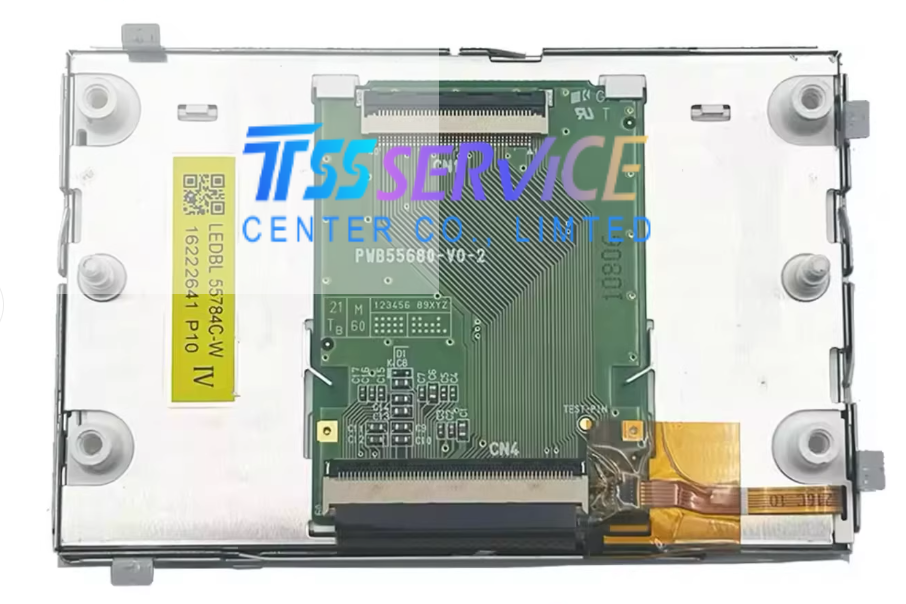
Optrex 4.2-inch LCD Panel Display, model LEDBL55784B-W with PWB55680-V0-2 controller. This isn't a generic consumer screen but a purpose-built solution designed to withstand harsh environments while delivering reliable, clear visual communication.
This article delves into a technical exploration of this precise display module. We will move beyond basic specifications to understand its architectural design, the synergy between its panel and controller, and the distinct advantages it offers for specialized applications. Our analysis will provide engineers, procurement specialists, and system integrators with a comprehensive view of its capabilities, implementation considerations, and the tangible value it brings to projects where failure is not an option.
Deconstructing the Display: Panel and Controller Synergy
The Optrex
LEDBL55784B-W is a complete display system, and its performance is rooted in the intimate partnership between the LCD panel and its dedicated controller board, the PWB55680-V0-2. The
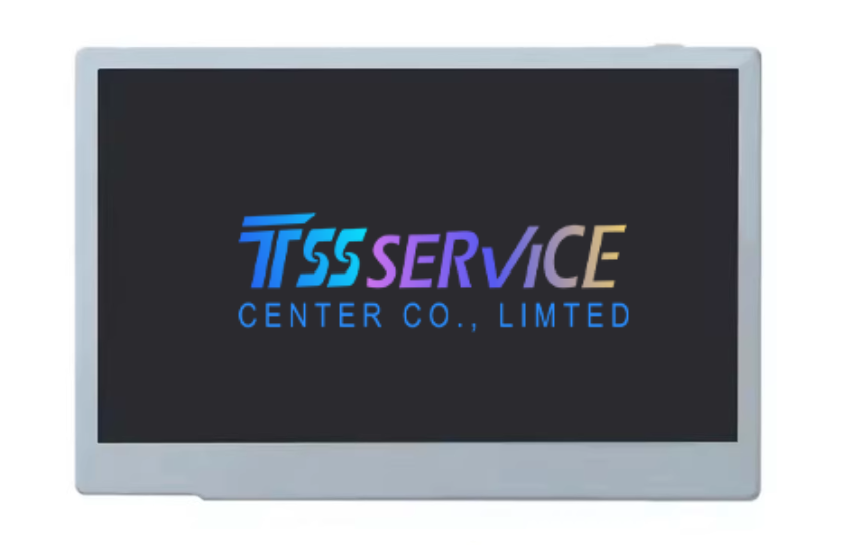
4.2-inch TFT LCD panel itself is the output device, typically offering a resolution such as 480x272 pixels (WVGA), which provides a sharp and dense image suitable for complex graphical user interfaces (GUIs) or multi-parameter data presentation. Its LED backlight ensures high brightness and uniform illumination, a non-negotiable feature for readability in sunlit automotive dashboards or brightly lit factory floors.
The true intelligence, however, resides on the PWB55680-V0-2 controller board. This PCB is the critical interpreter and signal processor. It receives video data from a host processor (via interfaces like LVDS or RGB) and converts it into the precise timing and voltage signals required to drive each pixel on the TFT panel. This controller handles the complexities of power sequencing, gamma correction, and backlight control, effectively insulating the main system CPU from low-level display management tasks. This separation of concerns allows for a more stable and simplified system design, where the host simply sends a standard video signal.
Engineered for Endurance: Automotive & Industrial Suitability
What distinguishes this module from a commercial tablet display is its inherent design for extreme operational reliability. Automotive and industrial environments present a gauntlet of challenges: temperature extremes (from freezing cold starts to scorching engine heat), constant vibration, electromagnetic interference (EMI) from motors and power systems, and potential exposure to contaminants like dust and humidity.
The Optrex display system is built to combat these factors. Components are selected and soldered to withstand thermal cycling and mechanical stress. The controller board design emphasizes stable power regulation and noise immunity. Furthermore, the entire assembly is often qualified to rigorous standards such as AEC-Q100 for automotive electronics or similar industrial-grade benchmarks. This translates to a longer operational lifespan, reduced failure rates in the field, and consistent performance where consumer-grade displays would rapidly degrade or fail completely, ensuring system uptime and safety.
Integration Imperatives: Design and Application Considerations
Successfully implementing this display module requires careful forethought. System integrators must first ensure electrical and logical compatibility. This involves matching the controller's input voltage requirements and signal interface (e.g., LVDS channel count, color depth) with the host system's output capabilities. The physical integration is equally crucial; the module requires a secure mechanical mounting to dampen vibration, and the design must account for heat dissipation, often through the bezel or chassis.
-
Optical Bonding: For high-ambient-light applications, optical bonding (laminating the touch panel directly to the LCD) is highly recommended to reduce glare and improve contrast.
-
Touch Technology: While the core module is a display, it is commonly paired with a resistive or projected capacitive touch overlay. The choice depends on the need for glove/object touch (resistive) versus multi-touch clarity (capacitive).
-
Software Drivers: While the controller simplifies hardware interfacing, stable low-level drivers or a compatible graphics library are needed for the host to generate the video signal efficiently.
The Value Proposition: Beyond the Specification Sheet
The ultimate value of the Optrex LEDBL55784B-W with PWB55680-V0-2 controller is not found in a list of specs, but in the reduction of systemic risk and total cost of ownership. By opting for this integrated, industrial-grade module, developers bypass the immense R&D overhead and validation risks associated with designing a display subsystem from discrete components. They gain a pre-validated, reliable solution that accelerates time-to-market.
This reliability directly impacts operational costs by minimizing warranty claims, field replacements, and downtime in critical processes—whether it's a diagnostic tool on an assembly line or a navigation display in a commercial vehicle. The module provides a stable, long-term hardware platform upon which software and user experience can be confidently built, future-proofing the investment and ensuring that the human-machine interface remains a dependable asset, not a liability.
In conclusion, the
Optrex 4.2-inch LCD panel and PWB55680-V0-2 controller represent a sophisticated, application-specific solution engineered for resilience. Its value lies in the seamless integration of a high-quality TFT panel with an intelligent controller, purpose-built to thrive in the punishing conditions of automotive and industrial settings. For engineers, it offers a reliable, high-performance foundation that mitigates development risk and ensures long-term operational integrity. By choosing such a validated module, companies ultimately invest not just in a display, but in the sustained reliability and professionalism of their entire product interface.


