The recent dissolution of the Osram Continental joint venture marks a significant inflection point in the automotive lighting industry. Formed in 2018 with the ambitious goal of shaping the future of intelligent light, this powerhouse collaboration between a lighting pioneer and a tier-1 automotive giant is now formally unwinding.
The recent dissolution of the Osram Continental joint venture marks a significant inflection point in the automotive lighting industry. Formed in 2018 with the ambitious goal of shaping the future of intelligent light, this powerhouse collaboration between a lighting pioneer and a tier-1 automotive giant is now formally unwinding. This move signals more than a simple corporate restructuring; it represents a strategic divergence in how two industry leaders perceive the roadmap for illumination technology in the age of software-defined vehicles.
The decision to part ways prompts critical questions about the evolving landscape. This article delves into the strategic rationale behind the split, explores the distinct paths Osram and Continental are now charting independently, and analyzes the broader implications for the competitive dynamics and technological trajectory of advanced automotive lighting.
Strategic Misalignment in a High-Stakes Arena
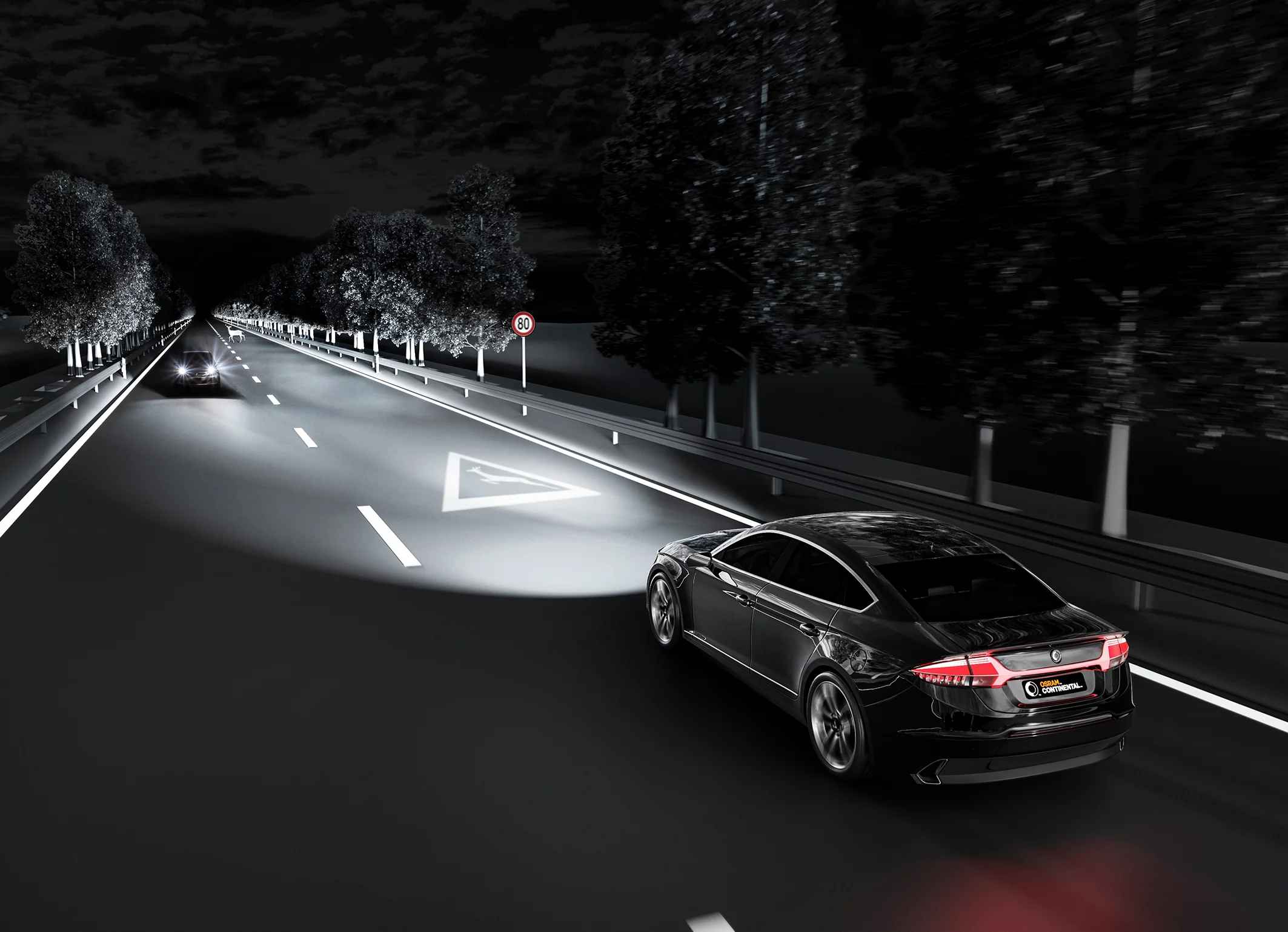
The Osram Continental joint venture was conceived at a time when automotive lighting was undergoing a radical transformation. The mission was to merge Osram's unparalleled expertise in photonics and light sources with Continental's deep systems integration and automotive electronics prowess. The target: to develop and dominate the market for intelligent, connected lighting solutions that do more than just illuminate—they communicate, enhance safety, and integrate with driver-assistance systems.
However, the path to integrated smart lighting proved more complex than anticipated. Industry insiders suggest that the fundamental cultures and core priorities of the parent companies gradually diverged. Osram, with its laser focus on cutting-edge light technologies like LEDs, lasers, and their control, likely prioritized pure photonic innovation. Continental, as a comprehensive systems supplier, necessarily viewed lighting as one component within a larger ecosystem of autonomous driving, user experience, and vehicle architecture. This inherent strategic misalignment, coupled with the high investment demands and slower-than-expected market adoption for premium smart lighting features, ultimately made the joint structure more burdensome than beneficial for both parties.
Diverging Pathways: Specialization vs. System Integration
With the joint venture dissolved, Osram and Continental are now free to pursue their respective visions with greater agility. Their post-split strategies highlight their core competencies and divergent market approaches.
Osram's path is one of deep specialization. Liberated from the constraints of a joint venture, the company can aggressively double down on its strength as a technology enabler. This means advancing high-performance LED and laser modules, developing innovative light source technologies for ultra-resolution headlights (like digital micromirror devices or micro LEDs), and supplying these critical components to a wide array of customers, including other tier-1 systems integrators and automakers directly. Osram's future lies in being the indispensable, best-in-class component supplier at the heart of the lighting value chain.
In contrast, Continental's trajectory emphasizes holistic system integration. The company will fold lighting development back into its broader portfolio of automotive safety, user experience, and autonomous driving solutions. For Continental, lighting is not a standalone product but a key sensor and communication interface within the vehicle's network. Its focus will be on creating integrated lighting systems that seamlessly work with radar, cameras, and software to deliver new safety and comfort functions, selling complete modules directly to car manufacturers.
Implications for an Industry in Flux
The split reshuffles the competitive deck and accelerates existing trends. The market for advanced automotive lighting is now cleaving into two, equally critical layers: the component layer (dominated by specialists like Osram, ams OSRAM, and Nichia) and the systems integration layer (where Continental, Bosch, Marelli, and ZKW compete). This allows automakers more flexibility to mix and match best-in-breed components with their preferred systems integrator.
Furthermore, the dissolution underscores the immense technical and financial challenges of bringing truly intelligent lighting to mass market. It may prompt a period of consolidation and sharper strategic focus across the sector. The race is no longer just about brightness or efficiency; it's about how lighting software and hardware enable new vehicle functions. This evolution will likely spur increased collaboration, but through more flexible partnerships and supplier relationships rather than rigid 50/50 joint ventures. The ultimate winners will be those who can most effectively balance photonic innovation with seamless software and electronic integration.
The dissolution of the Osram Continental JV is a strategic recalibration, not a failure. It reflects the maturation of the smart automotive lighting market, where the required expertise has become too deep and divergent for a single, combined entity to master end-to-end. Osram's pursuit of photonic excellence and Continental's drive for systemic integration now represent two powerful, parallel engines of innovation. For the automotive industry, this separation promises a more dynamic, specialized, and competitive supplier landscape, ultimately accelerating the development of the intelligent, communicative lighting systems that will define the next generation of vehicles.


