In the intricate world of electronic components, the display panel often serves as the critical interface between machine and user. Among the myriad of options available to engineers and product designers, monochrome LCDs continue to hold a vital position in applications where reliability, readability, and power efficiency are paramount. This article delves deep into the
PD064VT5, a 6.4-inch monochrome LCD panel with a 640x480 resolution, utilizing PVI (Prime View International) glass.
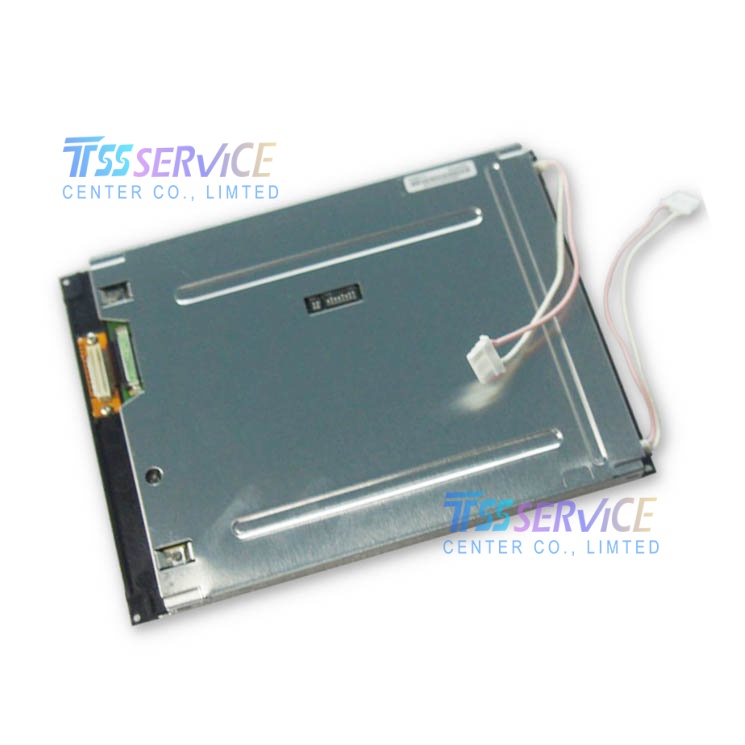
We will move beyond basic specifications to explore the unique value proposition of this display module. By examining its core technology, inherent advantages, ideal application landscapes, and critical integration considerations, we aim to provide a comprehensive resource for professionals evaluating this panel for their next project.
Unpacking the Core Technology: PVI Glass and Monochrome FSTN
The foundation of the PD064VT5's performance lies in its use of PVI-manufactured glass configured in an FSTN (Film Super-Twisted Nematic) monochrome format. Unlike simpler TN panels, the FSTN structure incorporates a compensation film. This film effectively counteracts the inherent optical retardation of the twisted liquid crystals, resulting in a dramatically superior visual output.
The key benefit here is high-contrast, true black-and-white imagery. Where a basic TN panel may exhibit ghosting or a murky, blue-gray background, the FSTN technology in the PD064VT5 ensures sharp, well-defined characters and graphics. The 640x480 (VGA) resolution on a 6.4-inch diagonal translates to a pixel density that is exceptionally clear for alphanumeric data, schematic diagrams, and industrial icons. This combination of PVI's consistent glass quality and the FSTN mode creates a display that is easy to read under various lighting conditions, forming the bedrock of its utility.
The Strategic Advantages: Beyond Simple Cost-Savings
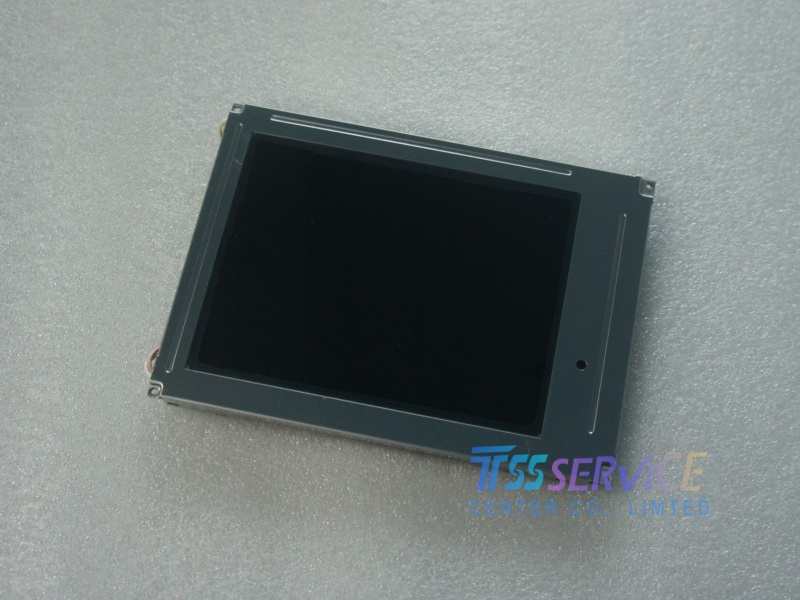
Choosing a monochrome display like the PD064VT5 is frequently mischaracterized as merely a cost-cutting decision. In reality, it represents a strategic selection for optimized performance in specific environments. The advantages are multifaceted. First is exceptional power efficiency. Without the need for a color filter array or a high-power backlight, this panel consumes significantly less energy than its color counterparts, making it ideal for battery-operated or energy-conscious devices.
Second is superior readability in high-ambient light, especially when paired with a transflective or high-performance backlight. Sunlight readability is a key strength. Third is rugged reliability and longevity. The simpler construction and wider operating temperature ranges often associated with monochrome industrial panels like this one lead to higher mean time between failures (MTBF). Finally, from a system design perspective, the lower interface complexity (often a simple parallel RGB or MCU interface) reduces load on the host controller and simplifies the overall design cycle.
Ideal Application Landscapes: Where the PD064VT5 Excels
The technical profile of the PD064VT5 naturally directs it towards specific market segments where its strengths are not just beneficial but essential. Industrial Human-Machine Interfaces (HMIs) are a primary domain. On factory floors, in utility substations, or embedded in test equipment, this display provides crisp, unambiguous feedback without distraction.
In the medical device field, it finds use in non-imaging diagnostic equipment, patient monitors, and laboratory instruments where color is not a clinical requirement, but reliability and clarity are non-negotiable. Transportation and logistics is another key area, serving as the display for fleet management terminals, forklift dashboards, and handheld inventory scanners that must perform in bright warehouses or outdoor yards. Furthermore, it is a perfect fit for specialized point-of-sale systems, building automation controllers, and legacy equipment upgrades where a direct, high-resolution monochrome replacement is needed.
Critical Integration and Sourcing Considerations
Successfully implementing the
PD064VT5 requires attention to several practical details beyond the datasheet. Interface compatibility is paramount. Designers must verify the exact controller (e.g., SSD1963, RA8875) and interface type (e.g., 8/16-bit parallel, VSYNC/HSYNC timing) required to drive the panel at its native resolution. The backlight solution—typically LED-based—must be selected for the desired brightness (nits) and uniform diffusion, with careful design of the driver circuit for longevity.
Mechanically, ensuring a secure mounting method and understanding the viewing angle characteristics (typically excellent in one axis, more limited in another for monochrome FSTN) is crucial for the end-user experience. From a sourcing perspective, working with reputable distributors or directly with manufacturers to confirm long-term availability (LTA) is critical for products with extended lifecycles. Finally, evaluating the need for a complete display module (with touchscreen, controller board, and metal bezel) versus the bare panel can significantly impact development time and final assembly costs.
In conclusion, the
PD064VT5 6.4-inch monochrome LCD panel stands as a testament to the enduring relevance of focused display technology. It is not a compromise but a precision tool, offering unmatched clarity, efficiency, and robustness for applications where color is superfluous. Its value is unlocked through a deep understanding of its FSTN technology, a strategic alignment with environments demanding high reliability, and meticulous attention to integration details. For engineers designing the next generation of industrial, medical, or logistical devices, this panel represents a compelling solution that prioritizes performance and purpose over mere pixels.


