In the demanding world of industrial automation, the human-machine interface (HMI) is the critical nexus where operator intuition meets machine intelligence. A failure at this point doesn't just cause inconvenience; it can lead to costly downtime, operational errors, and significant safety risks. For users of Proface legacy touch panels, finding a reliable, high-performance replacement that ensures seamless continuity is a paramount concern
In the demanding world of industrial automation, the human-machine interface (HMI) is the critical nexus where operator intuition meets machine intelligence. A failure at this point doesn't just cause inconvenience; it can lead to costly downtime, operational errors, and significant safety risks. For users of Proface legacy touch panels, finding a reliable, high-performance replacement that ensures seamless continuity is a paramount concern. This article delves into the GP-4301TW 137x103 New Touch Screen, examining it not merely as a spare part, but as a strategic upgrade that can extend the lifecycle and enhance the functionality of existing Proface systems. We will explore its technical merits, integration nuances, and the tangible operational advantages it delivers, providing a comprehensive guide for engineers and procurement specialists tasked with maintaining optimal production floor performance.
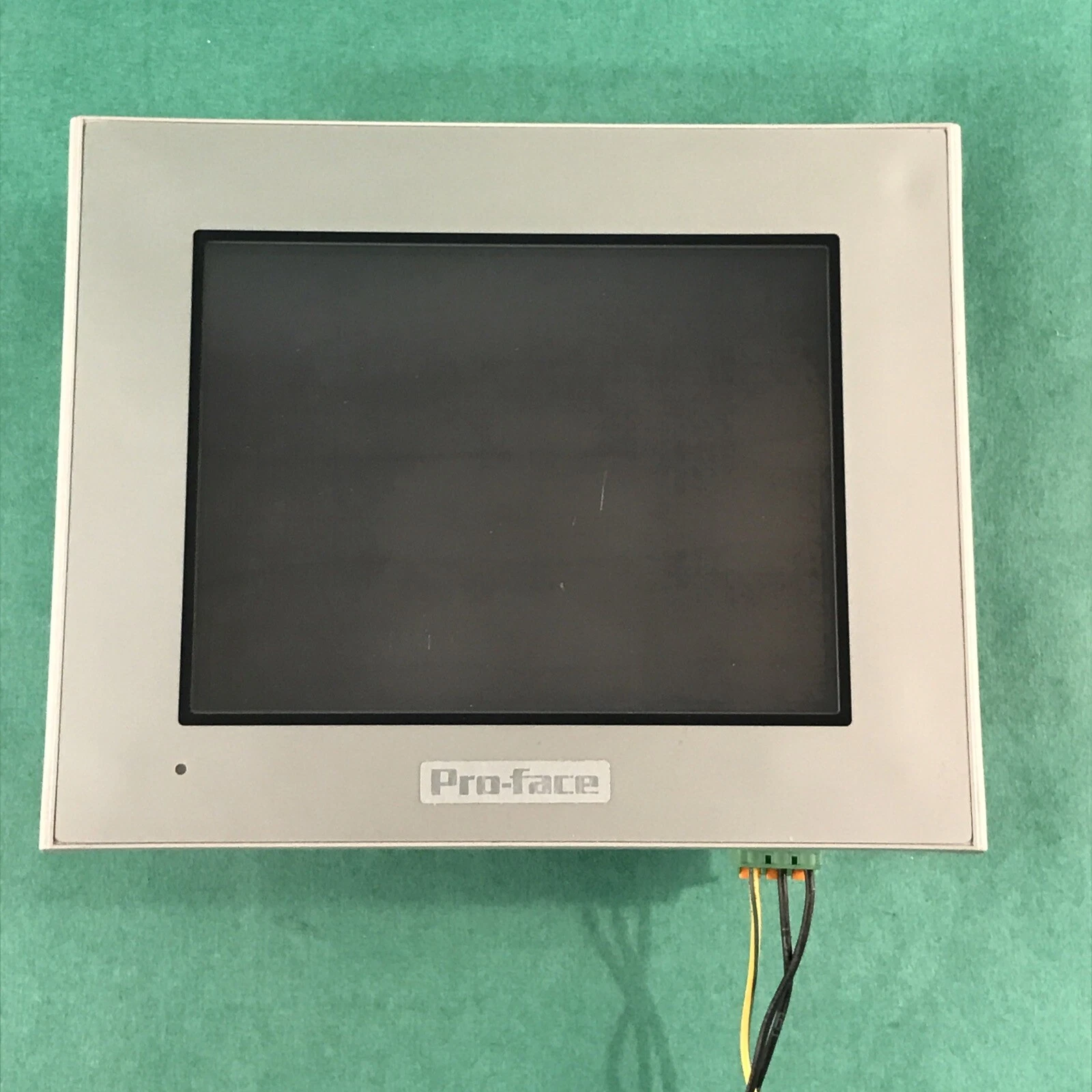
Beyond Replacement: The GP-4301TW as a Technological Bridge
The GP-4301TW is engineered as a direct-fit replacement for specific Proface GP-4301T models, but its value proposition lies in its role as a technological bridge. It preserves the essential form factor—a 10.4-inch display with a 137mm x 103mm cutout and compatible mounting—ensuring a physically straightforward swap. However, beneath the surface, it incorporates advancements in touch screen technology and display clarity. The new touch screen typically features a more durable, projected capacitive or enhanced resistive touch layer, offering improved responsiveness, better resistance to environmental contaminants, and higher touch-point accuracy compared to older, worn-out screens. This translates to fewer missed inputs and reduced operator frustration. By serving as a drop-in hardware solution with superior core components, the GP-4301TW effectively future-proofs the HMI station without necessitating a complete and costly control system overhaul.
Key Specifications and Durability Features Decoded
Understanding the technical specifications is crucial for verifying compatibility and assessing value. The GP-4301TW is defined by several critical parameters. The display itself is a TFT LCD, offering vibrant color representation and wide viewing angles essential for monitoring in varied lighting conditions. Its resolution ensures that Proface's proprietary application screens are rendered with sharp clarity. The touch interface is a standout, designed for high touch cycle life, often rated for tens of millions of actuations. It is built to withstand the rigors of the industrial environment, featuring:
-
High Chemical Resistance: The front surface can resist degradation from oils, solvents, and cleaning agents commonly used on the factory floor.
-
Enhanced Scratch Resistance: A hardened overlay protects against abrasions from tools, rings, or incidental contact.
-
Optimal Optical Performance: Anti-glare treatments minimize reflections, and high brightness options ensure readability in direct sunlight applications.
These features collectively reduce the total cost of ownership by minimizing the frequency of replacements and maintenance interventions.
Strategic Integration and Best Practices for Deployment
Successful integration of the GP-4301TW extends beyond the physical installation. It is a strategic process that ensures operational integrity. The first step is a meticulous compatibility check against the existing Proface unit's model number and firmware version. Pre-installation, a complete backup of the HMI's program is non-negotiable. The replacement process involves safely powering down the system, carefully disconnecting the old panel, and connecting the new GP-4301TW using the existing cables and connectors—a process designed for minimal downtime. Post-installation, thorough functional testing is critical. This includes calibrating the touch screen (if required), verifying the accuracy of touch registration across the entire surface, and testing all on-screen buttons and functions within the running application. This methodical approach mitigates risk and ensures the HMI returns to service as a fully operational, and indeed improved, component of the control system.
The Tangible ROI: Operational Reliability and Cost Efficiency
Investing in a genuine, new touch screen like the GP-4301TW delivers a clear and measurable return on investment (ROI) that outweighs the initial purchase price. The most immediate benefit is the restoration of reliable human-machine interaction, eliminating the unresponsiveness, dead zones, or ghost touches of a failing panel that lead to operator errors and production defects. This directly enhances productivity and quality control. Furthermore, it extends the capital lifespan of the entire Proface HMI unit, deferring the substantial expense of a full system replacement for years. By preventing unexpected HMI failures, it also avoids associated line stoppages, which can cost thousands per hour in lost production. The durability features reduce maintenance labor and parts costs over time, solidifying its position not as an expense, but as a strategic investment in operational continuity and efficiency.
The GP-4301TW 137x103 New Touch Screen emerges as a critical solution for sustaining Proface HMI systems. It successfully bridges the gap between legacy hardware and modern touch interface expectations, offering enhanced durability, clarity, and responsiveness. By following a disciplined integration approach, plants can secure a significant ROI through restored operational reliability, extended equipment lifecycle, and the avoidance of costly downtime. Ultimately, this component is more than a spare part; it is a strategic asset for maintaining seamless and efficient industrial automation.


