In the fiercely competitive consumer electronics landscape, Samsung Electronics has once again raised the bar for display technology. The company's recent announcement of integrating its proprietary AI Smart Dimming technology across its entire LED TV lineup marks a pivotal shift from hardware-centric innovation to intelligent,
In the fiercely competitive consumer electronics landscape, Samsung Electronics has once again raised the bar for display technology. The company's recent announcement of integrating its proprietary AI Smart Dimming technology across its entire LED TV lineup marks a pivotal shift from hardware-centric innovation to intelligent, software-driven picture quality. This strategic move is not merely a feature upgrade; it represents a fundamental rethinking of how televisions perceive and render content.
By embedding advanced artificial intelligence directly into the core of its LED models, Samsung is democratizing a level of visual precision once reserved for its premium QLED and OLED series. This article delves into the mechanics of AI Smart Dimming, explores its transformative impact on the viewing experience, and analyzes the broader strategic implications for Samsung and the home entertainment industry at large.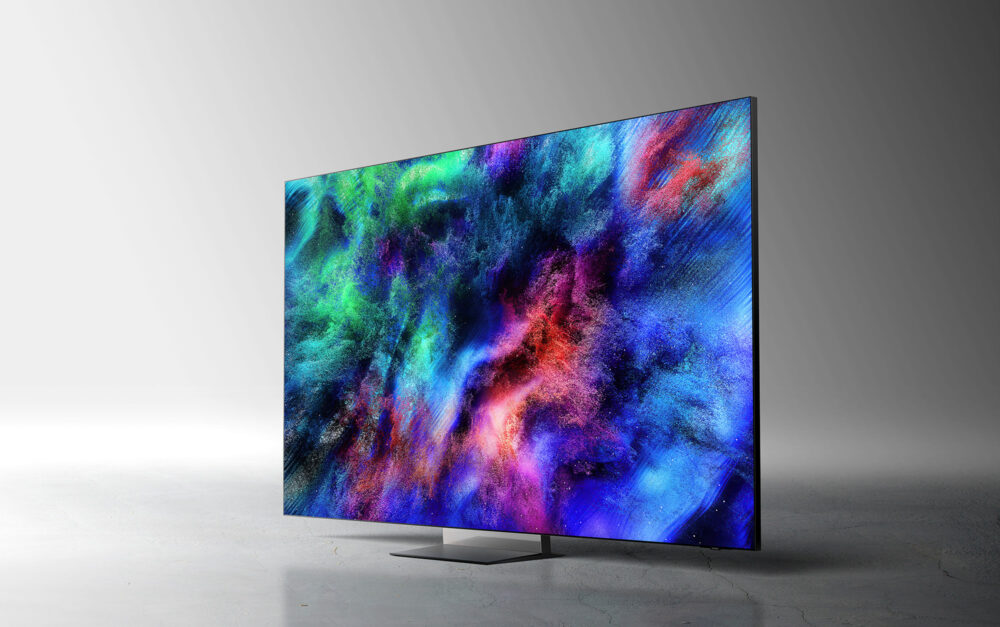
Deconstructing AI Smart Dimming: Beyond Conventional Backlight Control
At its core, AI Smart Dimming is an advanced backlight control system supercharged by artificial intelligence. Traditional LED TVs use a technique called local dimming, where zones of the backlight can be dimmed or brightened to improve contrast. However, the effectiveness is limited by the number of physical zones, often leading to "blooming" or halos around bright objects on dark backgrounds.
Samsung's AI-driven approach fundamentally changes this dynamic. Instead of relying solely on hardware partitions, a powerful processor analyzes the on-screen content frame-by-frame in real-time. It intelligently recognizes objects, scenes, and even the contextual relationship between elements. For instance, it can distinguish between the subtle glow of moonlight on water and the harsh glare of a car headlight, applying precise dimming algorithms accordingly. This software-defined precision allows even standard LED panels with fewer physical zones to achieve remarkably deeper blacks, enhanced shadow detail, and a significant reduction in blooming, effectively mimicking the per-pixel control of more expensive display technologies.
The Viewer's Renaissance: A New Standard for Immersive Content
The integration of AI Smart Dimming translates into a tangible and profound enhancement for the end-user. The primary benefit is a dramatic leap in contrast ratio—the difference between the brightest white and the deepest black. This is the cornerstone of visual depth and realism. In dimly lit scenes, such as a tense thriller or a space epic, shadows retain detail instead of collapsing into murky gray blocks, while highlights pop with clarity.
Furthermore, this technology elevates all forms of content. For cinematic HDR movies, it unlocks the full dynamic range intended by directors. For sports broadcasting, it ensures the clarity of fast-moving action against varied backgrounds, from a bright green pitch to a shaded stadium section. Even standard dynamic range (SDR) content is upscaled and optimized, with the AI smartly enhancing contrast without introducing unnatural artifacts. The result is a consistently immersive, theater-like experience that adapts intelligently to whatever is on screen, making every viewing session more engaging and visually rewarding.
Strategic Imperative: Shaping the Market and Defining Value
Samsung's decision to deploy AI Smart Dimming across its full LED portfolio is a calculated strategic masterstroke. In a market where consumers are increasingly discerning about picture quality but also budget-conscious, it creates a powerful new value proposition. It effectively bridges the gap between entry-level and premium segments, offering a key high-end feature at more accessible price points. This move pressures competitors to accelerate their own AI integration, shifting the battleground from spec-sheet metrics like "number of dimming zones" to the sophistication of intelligent processing.
Ultimately, this strategy reinforces Samsung's brand leadership in innovation. By making AI a standard, not a luxury, the company is future-proofing its product line and educating the market that intelligence is now as critical as the panel itself. It fosters ecosystem loyalty, as consumers experience a tangible, software-based improvement that can evolve, setting the stage for a future where display performance is continuously enhanced through algorithmic updates, much like a smartphone.
Samsung's full-line integration of AI Smart Dimming signifies a paradigm shift in display technology, where intelligent software becomes the great equalizer in picture quality. By moving beyond hardware limitations with frame-by-frame AI analysis, it delivers superior contrast and immersion across all content types, fundamentally enhancing the viewer's experience. Strategically, this move redefines value in the mid-range market and positions AI as a non-negotiable core of modern televisions. As the industry follows suit, the true winner is the consumer, who gains access to cinematic visual intelligence at an unprecedented scale.


