In the intricate world of electronic device repair and manufacturing, the display panel is more than just a window to the digital realm; it is the critical interface defining user experience. This article delves into the specifics of the LTA150XH-L06, a 15-inch LCD display panel with a 1024x768 (XGA) resolution, designed as a replacement component for various Samsung devices.
In the intricate world of electronic device repair and manufacturing, the display panel is more than just a window to the digital realm; it is the critical interface defining user experience. This article delves into the specifics of the LTA150XH-L06, a 15-inch LCD display panel with a 1024x768 (XGA) resolution, designed as a replacement component for various Samsung devices. We will move beyond basic specifications to explore its technical DNA, its ideal applications, the crucial considerations for sourcing and integration, and its enduring relevance in a high-definition era.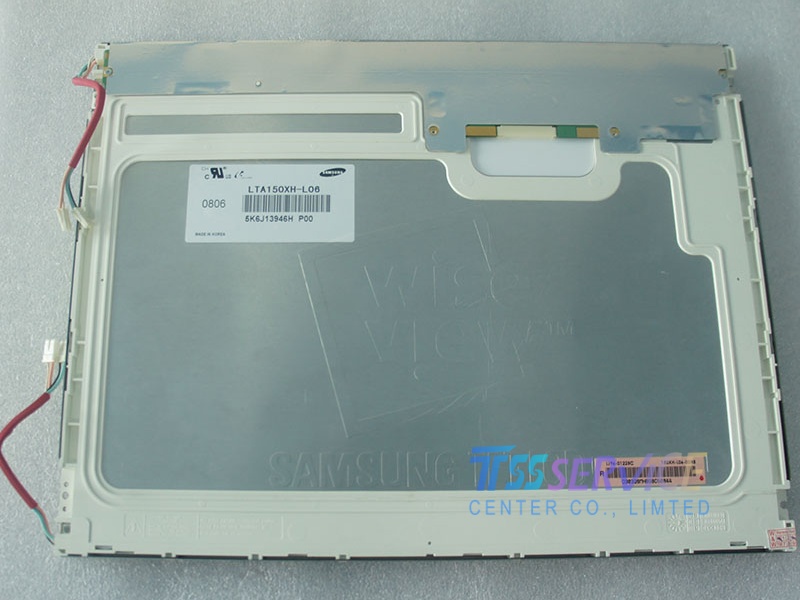
Deconstructing the LTA150XH-L06: A Technical Blueprint
At its core, the LTA150XH-L06 is a testament to a specific period in display technology. Its 15-inch diagonal active area and XGA resolution (1024 horizontal by 768 vertical pixels) offer a 4:3 aspect ratio, a format once ubiquitous in early laptops, industrial control systems, and medical monitors. This panel utilizes a-Si TFT (Thin-Film Transistor) technology, the workhorse of LCD manufacturing, ensuring reliable performance and consistent color reproduction across its viewing angles.
Understanding its interface is paramount. The panel typically uses an LVDS (Low-Voltage Differential Signaling) interface, a common standard for transmitting high-speed video data with minimal noise. The exact pin configuration and backlight type (often a CCFL lamp given its era) must be meticulously verified against the original equipment's specifications. This technical blueprint is not merely a list of features; it is the first and most critical step in determining compatibility and forecasting performance in real-world scenarios.
Targeted Applications: Where This Panel Excels
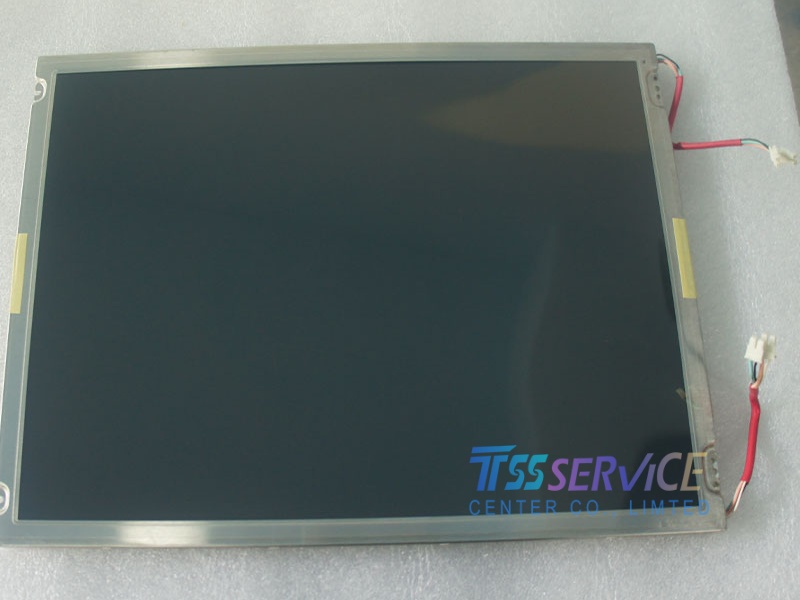
The LTA150XH-L06 is not a one-size-fits-all component. Its value is unlocked in specific, often mission-critical, applications. Primarily, it serves as a direct replacement part for technicians and service centers repairing older Samsung laptops, all-in-one PCs, or specialized equipment where display failure occurs. Its second life is found in industrial and embedded systems.
Machinery with long lifecycles, such as factory HMI (Human-Machine Interface) terminals, test equipment, or point-of-sale systems, often rely on stable, proven components like this XGA panel for upgrades or lateral replacements. Attempting to force a modern widescreen panel into these systems usually requires complex and costly controller board modifications, making the LTA150XH-L06 a pragmatic and cost-effective solution for maintaining operational continuity.
Strategic Sourcing and Integration Best Practices
Procuring a display panel like the LTA150XH-L06 demands a strategic approach. The market is flooded with variants, including refurbished, salvaged, and new-old-stock (NOS) units. Verifying the exact model number is non-negotiable, as even minor suffixes can denote differences in brightness, connector type, or mounting holes. Sourcing from reputable suppliers who provide clear images of the item, its label, and offer compatibility guarantees is essential to avoid costly mismatches.
Integration requires careful handling. Prior to installation, professionals should:
-
Test the panel with a compatible controller board or universal tester to check for dead pixels, backlight uniformity, and color integrity.
-
Handle the panel only by its edges to prevent electrostatic discharge (ESD) damage to the delicate TFT array.
-
Ensure the replacement matches the original panel's mechanical dimensions, bezel mounting points, and connector cable type.
This diligence bridges the gap between purchasing a component and successfully completing a repair or build.
The XGA Panel in an HD World: Assessing Relevance
In an age dominated by 4K and OLED displays, one might question the relevance of a 1024x768 panel. The answer lies in the concept of technical suitability over raw specification supremacy. For the applications previously outlined, high resolution is often unnecessary and can even be detrimental. Legacy software interfaces are designed for 4:3 ratios; industrial systems prioritize reliability and longevity over pixel density.
Furthermore, the LTA150XH-L06 represents a sustainable choice. Extending the life of existing equipment through precise component-level repair reduces electronic waste. It fulfills a vital niche in the electronics ecosystem, supporting the maintenance of valuable capital equipment long after the original manufacturer has ceased support. Its value is not defined by being cutting-edge, but by being the exact right tool for a specific, enduring job.
The LTA150XH-L06 15-inch XGA LCD panel exemplifies how specialized components maintain critical functionality long after their initial production. Its technical specifications dictate its ideal use in repair and industrial contexts, where compatibility and reliability trump sheer pixel count. Successful implementation hinges on informed sourcing and meticulous integration practices. Ultimately, this panel's enduring relevance is a powerful reminder that in technology, the optimal solution is often the one that aligns perfectly with the system's original design and operational requirements, ensuring longevity and performance where it matters most.


