For decades, the school auditorium has served as a crucible for creativity, a venue where young performers take their first bow under the warm, familiar glow of incandescent stage lights and painted canvas backdrops. Yet, as the digital age transforms every facet of education and entertainment, these traditional spaces are undergoing a quiet revolution. This article delves into the significant shift occurring in educational performing arts: the strategic upgrade from analog to digital production. We will explore the multifaceted journey of integrating a full-color LED video wall and digital stage effects, moving beyond mere technical specifications to examine the profound impact on educational outcomes, artistic possibilities, and the very role of the auditorium within a modern school's ecosystem. This transformation is not just about brighter lights; it's about illuminating a new frontier for student expression and technical learning.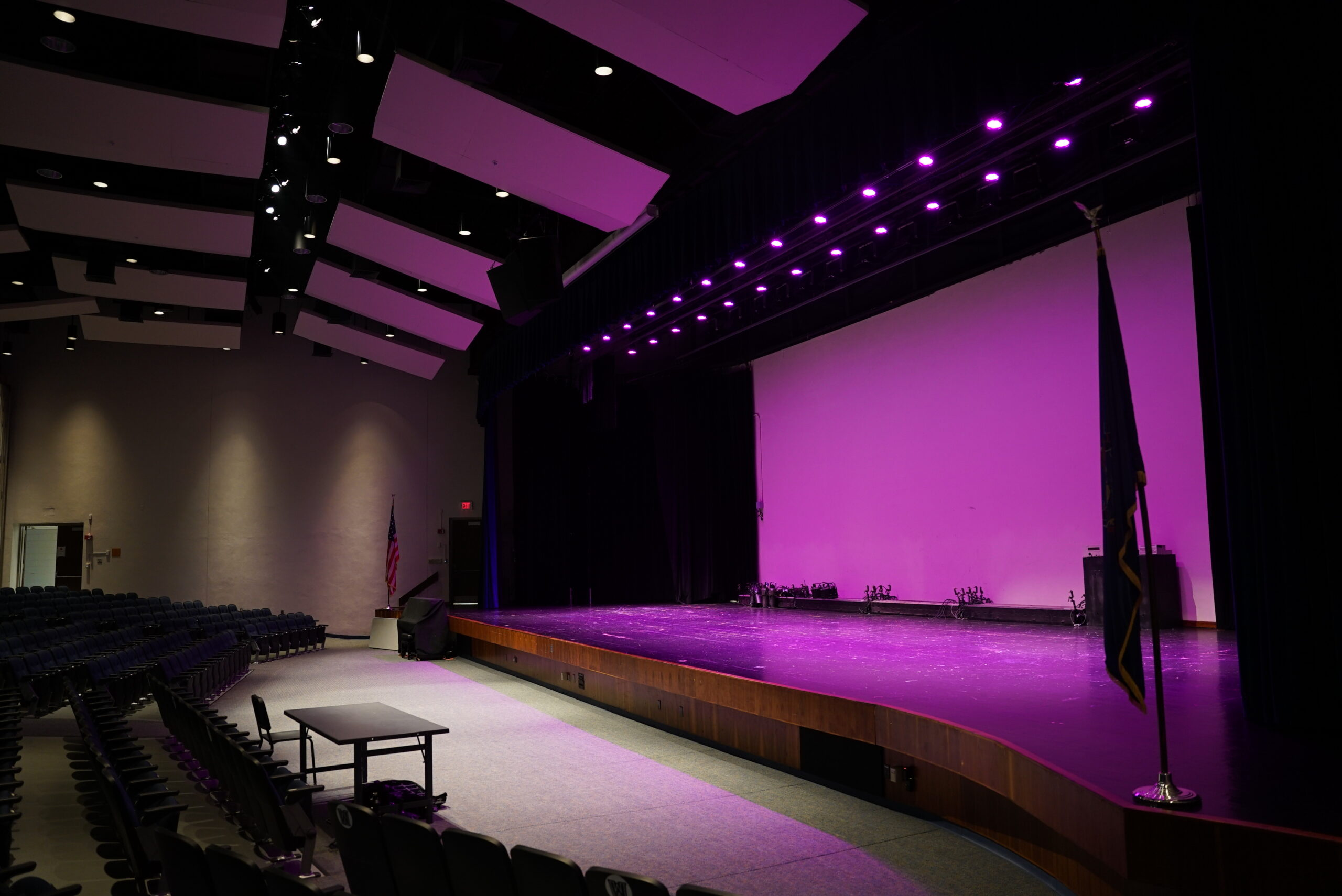
Beyond the Painted Drop: The LED Video Wall as a Dynamic Canvas
The transition from static, painted backdrops to a full-color LED video wall represents a paradigm shift in stage design. A traditional canvas is limited to a single scene, requiring extensive labor and storage for multiple sets. In contrast, an LED wall is an infinitely malleable digital canvas. With high-resolution panels, it can display anything from a serene forest to a bustling cityscape, the depths of space, or abstract visualizations that pulse with music. This capability unlocks unprecedented creative freedom for directors and students. A single play can now transition seamlessly between numerous locations, enhancing narrative flow and audience immersion. The wall is not merely a background; it becomes an active storytelling partner, capable of conveying mood, era, and emotion with a clarity and immediacy that flat paint cannot match. This dynamic environment challenges students to think cinematically, integrating digital scenery as a core element of their performance.
Precision and Palette: The Art of Digital Lighting Control
Complementing the visual prowess of the LED backdrop is the modernization of lighting systems. Out are the banks of generic, heat-producing fresnels, replaced by intelligent, LED-based moving heads and wash fixtures controlled via sophisticated software. This upgrade offers two profound advantages: precision and palette. Lighting designers—often students themselves learning the craft—can now program complex cues that synchronize light movement, color, and intensity with on-stage action and the digital backdrop. Gone are the days of manual color gel changes; millions of colors are available at the click of a button. This allows for subtle emotional shading—a shift from warm amber to cold blue to underscore a change in a character's fortune—or dramatic, sweeping effects that were previously impossible. Digital lighting is safer, more energy-efficient, and serves as a powerful, hands-on tool for teaching the physics of light and the principles of design.
Curriculum in the Wings: Integrating Technology into Arts Education
The true value of these upgrades extends far beyond the final curtain call; it is woven into the fabric of the curriculum. The modernized auditorium becomes a living laboratory for STEAM (Science, Technology, Engineering, Arts, and Mathematics) education. Students are no longer passive consumers of stage magic but active creators. Courses and clubs can emerge focused on:
-
Digital Media Design: Creating original content and animations for the LED wall using industry-standard software.
-
Show Control Programming: Learning to operate lighting consoles and media servers, understanding signal flow and timeline-based cueing.
-
Audio-Visual Integration: Exploring how sound, light, and video are synchronized to produce a cohesive experience.
This hands-on technical training fosters problem-solving, collaboration, and digital literacy, providing students with highly marketable skills relevant to growing fields like live event production, broadcast, and game design.
The Ripple Effect: Boosting Engagement and School Community
A state-of-the-art auditorium has a demonstrable ripple effect on overall school engagement and community perception. For students in performing arts, the professional-grade environment communicates that their work is valued, boosting morale, dedication, and the overall quality of productions. It attracts a wider range of students to participate, including those with technical rather than performance interests. For the broader school community, it elevates the stature of events—concerts, assemblies, award ceremonies, and guest lectures become more compelling and memorable. Furthermore, a well-equipped facility can become a source of pride and a community hub, potentially generating revenue by hosting external events. This transforms the auditorium from a underutilized room into a vibrant, central asset that actively supports the school's educational and communal mission.
Navigating the Upgrade: Key Considerations for Implementation
Successfully navigating an auditorium digital transformation requires careful planning beyond the initial purchase order. School administrators and technology committees must consider several critical factors. A comprehensive needs assessment is the first step, defining the primary use cases (drama, music, assemblies) to guide specifications. Budgeting must account for not only the capital expenditure for hardware (LED wall, lights, rigging) but also for essential infrastructure upgrades like electrical capacity, data networking, and climate control. Crucially, funding must include ongoing costs: specialized training for staff and students, software licenses, and a maintenance plan. Partnering with a reputable integrator who understands educational environments is key to designing a system that is powerful yet user-friendly for a learning context, ensuring the technology empowers rather than overwhelms.
Future-Proofing the Stage: Sustainability and Long-Term Vision
Investing in digital stage technology is an investment in the future. A core advantage of systems based on LED technology and digital networking is their inherent sustainability and adaptability. LED fixtures consume significantly less power and have lifespans measured in decades, reducing long-term operational costs and environmental impact. Furthermore, a well-designed system is modular and scalable. As technology advances, individual components can be updated without replacing the entire setup. The digital backbone—the control networks and software—can often support new, unforeseen technologies down the line. This forward-thinking approach ensures the school's investment remains relevant and potent, continuously providing students with access to tools that reflect the evolving landscape of the creative and technical industries they will soon enter.
The journey from a traditional school auditorium to a digitally integrated performance space is a transformative one, with implications that resonate through curriculum, community, and student opportunity. Upgrading to a full-color LED backdrop and digital effects is far more than an aesthetic choice; it is a strategic decision to prioritize dynamic, immersive learning and creation. By embracing these technologies, schools empower the next generation of storytellers, technicians, and artists with the tools to bring their most ambitious visions to life. This evolution ensures the school stage remains not just a venue for the past, but a vibrant launchpad for the future.


