In the relentless pursuit of better light, Seoul Semiconductor has taken a significant leap forward with the launch of SunLike 2.0. This next-generation technology refines the company's pioneering Natural Spectrum LED series
In the relentless pursuit of better light, Seoul Semiconductor has taken a significant leap forward with the launch of SunLike 2.0. This next-generation technology refines the company's pioneering Natural Spectrum LED series, which has long challenged the industry's reliance on conventional blue-pump LEDs. The core promise remains compelling: to replicate the spectral power distribution of natural sunlight more faithfully than ever before. This article delves into the sophisticated engineering behind SunLike 2.0, explores its profound implications for human health and well-being in various environments, and examines its potential to redefine lighting standards from our homes to our workplaces.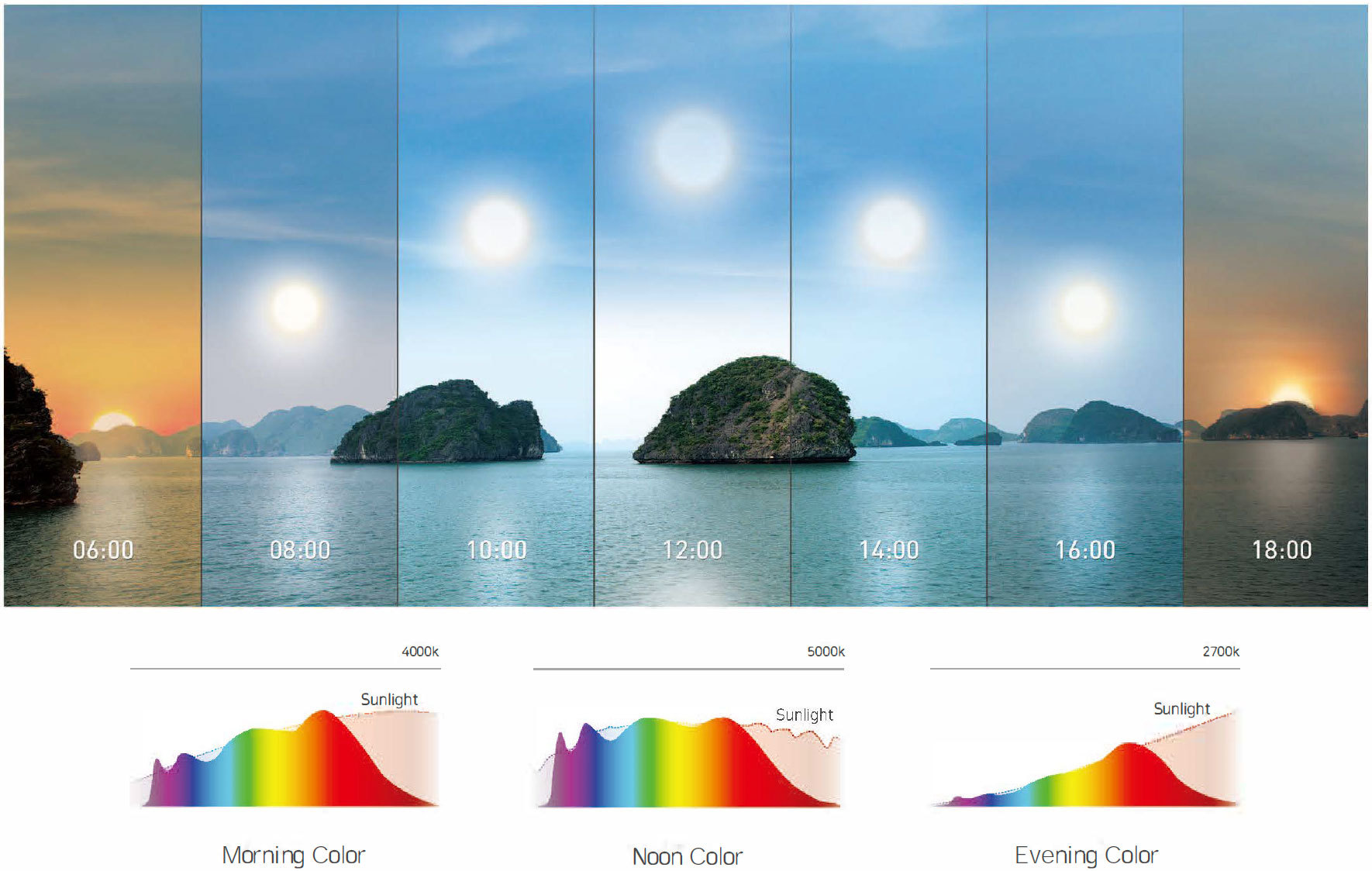
Beyond Illumination: The Science of Spectral Precision
Traditional white LEDs create light by coating a blue LED chip with yellow phosphor, a method efficient for brightness but deficient in spectral quality. The resulting light spectrum has pronounced spikes in blue wavelengths and gaps in others, a significant departure from the smooth, continuous curve of natural sunlight. SunLike 2.0 addresses this fundamental flaw through a sophisticated multi-phosphor and violet-chip engine. Instead of starting with a harsh blue pump, it utilizes a violet LED that excites a meticulously calibrated blend of red, green, and blue phosphors. This process generates a fuller, more balanced spectrum that closely mirrors the solar curve we have evolved under for millennia.
The technological refinement in version 2.0 lies in enhanced color fidelity and consistency. By achieving an unprecedented Color Rendering Index (CRI) of 99 and improved Rf (color fidelity) and Rg (color gamut) scores as per the IES TM-30-20 standard, SunLike 2.0 ensures colors are perceived with near-natural vividness and accuracy. This is not merely an incremental improvement; it represents a paradigm shift from lighting that simply allows us to see, to lighting that lets us see truthfully.
The Human-Centric Impact: Enhancing Well-being and Performance
The implications of such spectral precision extend far beyond superior color rendering. A growing body of scientific research links the spectral composition of light to non-visual human responses, primarily mediated through the intrinsically photosensitive retinal ganglion cells (ipRGCs) that regulate our circadian rhythm. The excessive blue spectral power of conventional LEDs, especially during evening hours, can suppress melatonin production and disrupt natural sleep cycles.
SunLike 2.0's natural spectrum mitigates this issue by providing a light source that aligns with our biological needs. In educational settings, this can translate to improved concentration and reduced eye strain for students. In offices, it may enhance alertness and mood during the day while supporting healthier transitions to rest. In residential and healthcare environments, it fosters a calming atmosphere conducive to relaxation and recovery. By prioritizing the human biological response, this technology positions light as a vital component of health and wellness infrastructure, not just a utility.
Redefining Applications and Future Standards
The advent of SunLike 2.0 is poised to catalyze change across diverse sectors where light quality is paramount. In museum and retail lighting, its exceptional color fidelity becomes a critical tool for presenting artifacts and products in their true colors, enhancing customer experience and engagement. For specialized environments like color-matching studios, dermatology clinics, and high-end manufacturing, it offers a reliable, consistent light source that reduces errors and improves outcomes.
Perhaps most significantly, SunLike 2.0 challenges regulators and industry bodies to look beyond lumens and efficiency (LPW) as the sole metrics of lighting quality. It makes a compelling case for the standardization of spectral quality and human-centric lighting parameters in building codes and wellness certifications like WELL and Fitwel. As it becomes more accessible, we can anticipate its integration into general-purpose residential and commercial fixtures, gradually shifting market expectations from "bright enough" to "good for you."
Seoul Semiconductor's SunLike 2.0 represents more than a product update; it is a statement of intent for the future of lighting. By mastering the replication of natural sunlight through advanced violet-chip and phosphor technology, it delivers unparalleled color fidelity and aligns artificial light with human circadian biology. Its potential to enhance well-being, performance, and visual accuracy across countless applications is profound. As the industry and consumers increasingly recognize that light is not merely functional but fundamental to health, SunLike 2.0 stands as a beacon, guiding the transition toward lighting solutions that truly honor the rhythm of human life.


