In the intricate world of industrial and embedded display solutions, the selection of a core component like a TFT-LCD module is a critical decision that impacts product performance, reliability, and user experience. This article provides a deep-dive analysis of a specific and noteworthy display module: the LQ104V1DG52, a 10.4-inch a-Si TFT-LCD panel originally designed by SHARP
In the intricate world of industrial and embedded display solutions, the selection of a core component like a TFT-LCD module is a critical decision that impacts product performance, reliability, and user experience. This article provides a deep-dive analysis of a specific and noteworthy display module: the LQ104V1DG52, a 10.4-inch a-Si TFT-LCD panel originally designed by SHARP. With its distinctive 640 x 480 (VGA) resolution and robust construction, this module has carved out a significant niche in demanding applications far removed from consumer electronics.
We will move beyond basic datasheet specifications to explore the engineering rationale behind its design, the tangible benefits of its mature technology, and the practical considerations for integration. Our goal is to equip engineers, product designers, and procurement specialists with the insights needed to evaluate whether this stalwart display solution aligns with the challenges of their next-generation industrial, medical, or transportation systems.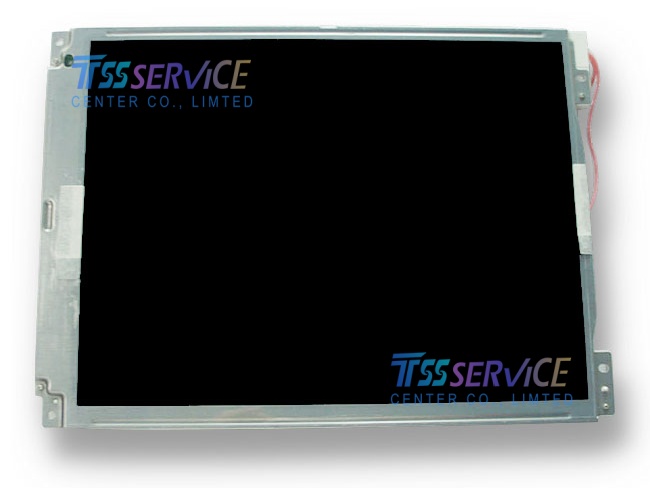
Decoding the Specifications: A Legacy of Clarity and Reliability
The LQ104V1DG52 presents a compelling specification profile centered on proven performance. The 10.4-inch diagonal size, coupled with a native 640 x 480 pixel resolution, results in a pixel pitch that delivers sharp, legible character and graphic display without the excessive power draw and processing overhead of higher-resolution panels. This VGA standard is a key feature, offering broad compatibility with legacy and modern control systems alike.
At its heart is amorphous Silicon (a-Si) TFT technology, a mature and highly reliable process. This translates into exceptional long-term stability and a wide operating temperature range, crucial for environments subject to thermal variance. The module typically features high brightness (often around 400-450 nits) and a balanced contrast ratio, ensuring viewability under various lighting conditions. Its interface is commonly a parallel RGB LVDS, ensuring straightforward integration with a vast array of standard controllers. These specs collectively paint a picture of a module designed not for the cutting edge of pixel density, but for the resilient edge of operational endurance.
The Strategic Advantages of Mature Display Technology
Choosing a module like the LQ104V1DG52 is often a strategic decision rooted in lifecycle management and total cost of ownership. Unlike rapidly evolving consumer displays, this panel represents a mature and stable product. This stability guarantees long-term availability, mitigating the risk of sudden obsolescence that can plague projects with development and service lifespans measured in decades, such as in medical diagnostics or industrial automation.
Furthermore, the simplicity of the VGA resolution is a profound advantage. It requires less powerful and thus less expensive processing hardware, reduces complexity in the video pipeline, and minimizes electromagnetic interference (EMI). The robust a-Si TFT manufacturing process yields high production consistency and excellent yield, contributing to predictable performance and cost. In essence, this module eliminates the "over-engineering" of using a high-resolution display where it is unnecessary, allowing developers to allocate system resources more efficiently towards core functionality and robustness.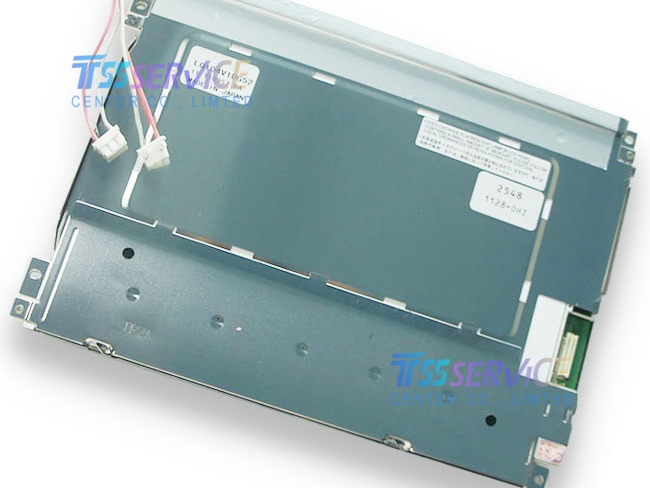
Targeted Applications: Where Ruggedness Meets Readability
The true value of the LQ104V1DG52 is realized in its application domains, where environmental challenges and functional clarity are paramount. Its primary playground is in industrial human-machine interfaces (HMIs) for factory automation, process control, and heavy machinery. Here, its wide temperature tolerance, resistance to vibration, and glare-resistant screens (often with optional touch panels) are indispensable.
Similarly, the medical device field relies on such displays for patient monitoring systems, diagnostic equipment, and laboratory instruments, where reliability and consistent performance are non-negotiable. Transportation and logistics represent another key area, including in-vehicle infotainment/computers for fleet management, construction vehicles, and aviation. In each case, the module's ability to deliver unwavering, clear information in challenging conditions—from a factory floor to an ambulance—validates its design philosophy.
Critical Integration Considerations and Ecosystem
Successful deployment of the LQ104V1DG52 requires careful attention to integration details. Engineers must account for its power sequencing requirements, signal timing, and mechanical mounting specifications to ensure longevity and avoid latent defects. While SHARP may have originally manufactured the panel, it is commonly supplied through a network of specialized display distributors and manufacturers who may offer it as a full module, complete with LED backlight, driver board, and metal bezel.
This ecosystem is vital. It provides essential support, including custom adaptation services like integrating resistive or capacitive touch screens, implementing anti-glare or anti-reflective coatings, and tailoring the brightness or interface to specific needs. Sourcing from reputable suppliers within this ecosystem ensures not only component authenticity but also access to technical documentation and support, which is crucial for navigating the final stages of product development and certification, particularly for regulated industries like medical or automotive.
In conclusion, the SHARP LQ104V1DG52 10.4-inch VGA TFT-LCD stands as a testament to the enduring value of optimized, reliable technology in specialized fields. Its strengths lie not in competing with consumer-grade displays on resolution, but in surpassing them in stability, viewability, and resilience under duress. For designers of industrial, medical, and transportation systems, it offers a proven solution that reduces project risk, simplifies integration, and ensures long-term serviceability. Ultimately, selecting this module is a strategic choice for building devices where performance is measured in decades of dependable operation, not just pixel count.


