In the intricate world of industrial and embedded display solutions, the selection of a specific LCD module often signifies a critical design decision, balancing performance, reliability, and legacy compatibility. The LQ104V1DG52, a 10.4-inch a-Si TFT-LCD module originally designed by SHARP, stands as a notable benchmark in this segment. With its 640 x 480 pixel resolution (VGA) and robust construction, this display has powered countless applications where durability and consistent performance a
In the intricate world of industrial and embedded display solutions, the selection of a specific LCD module often signifies a critical design decision, balancing performance, reliability, and legacy compatibility. The LQ104V1DG52, a 10.4-inch a-Si TFT-LCD module originally designed by SHARP, stands as a notable benchmark in this segment. With its 640 x 480 pixel resolution (VGA) and robust construction, this display has powered countless applications where durability and consistent performance are paramount.
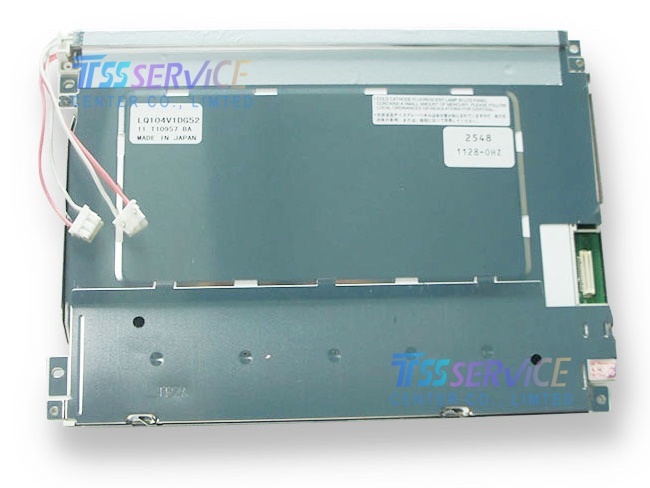
This article delves into a comprehensive analysis of the LQ104V1DG52, moving beyond basic specifications to explore its core technological foundations, inherent strengths within specific application contexts, and the critical integration considerations for engineers. We will also examine its enduring relevance in a market increasingly dominated by higher-resolution alternatives, providing a clear perspective for professionals tasked with display selection or system modernization.
Deconstructing the Core Technology: a-Si TFT and the VGA Standard
At the heart of the LQ104V1DG52 lies Amorphous Silicon (a-Si) Thin-Film Transistor (TFT) technology. This mature and highly reliable manufacturing process is the workhorse of the industrial LCD world. a-Si TFTs provide stable switching for each pixel, ensuring consistent image quality and excellent long-term operational stability. While newer technologies like LTPS offer higher pixel density, a-Si remains the preferred choice for larger panels in cost-sensitive and reliability-critical applications due to its proven yield and manufacturing scalability.
The module's 640 x 480 (VGA) resolution is a defining characteristic. In an era of 4K and Full HD, VGA represents a fundamental, low-complexity standard. This resolution is particularly advantageous for several reasons: it places minimal load on the system's graphical processing unit (GPU), simplifies driver development, and ensures excellent legibility for user interfaces composed of large text, buttons, and schematic diagrams. The 10.4-inch diagonal size paired with VGA results in a pixel pitch that offers clear, sharp imagery without the need for excessive software scaling, a common challenge when integrating high-resolution displays into legacy systems.
Inherent Strengths and Target Application Landscape
The true value of the LQ104V1DG52 is unlocked in environments where its specific attributes translate into tangible operational benefits. Its design emphasizes robustness and longevity over consumer-grade aesthetics. The module typically features a wide operating temperature range and high brightness output, making it suitable for challenging conditions.
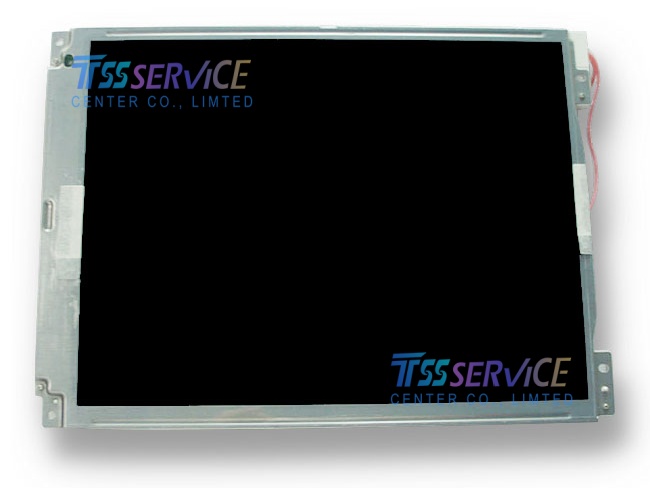
Its primary application domains are a testament to its design philosophy:
-
Industrial Human-Machine Interfaces (HMIs): Control panels for factory automation, manufacturing equipment, and PLC systems where clear, reliable feedback is essential.
-
Test and Measurement Instruments: Oscilloscopes, spectrum analyzers, and medical diagnostic devices where screen real estate is used for data waveforms and numerical readouts, not multimedia.
-
Point-of-Sale (POS) and Kiosk Systems: Reliable terminals requiring continuous operation with straightforward transactional interfaces.
-
Legacy System Maintenance and Repair: As a direct replacement for failed displays in existing machinery, ensuring system uptime without costly software re-engineering.
In these contexts, the module's reliability and straightforward interface (typically LVDS or RGB) are more valuable than ultra-high resolution.
Critical Integration and Sourcing Considerations
Integrating the LQ104V1DG52, especially as an aftermarket or replacement component, requires careful attention. Engineers must verify the exact pinout, interface type (e.g., 20-pin LVDS), and voltage requirements against their system's controller. The mechanical footprint, including mounting hole positions and bezel dimensions, is crucial for a drop-in fit. Furthermore, understanding the backlight unit—often CCFL in original designs—is vital. Modern replacements or upgrades might involve transitioning to an LED backlight for improved longevity and lower power consumption, which may require an inverter board modification.
Sourcing presents another layer of complexity. As an original SHARP module that may be in the end-of-life phase, procurement often shifts to specialized distributors or compatible panels from other manufacturers. It is imperative to assess the quality and compatibility of these alternatives, ensuring they match the electrical, optical, and mechanical specifications of the genuine part to avoid performance degradation or system incompatibility.
The Path Forward: Legacy Support vs. Modernization
The enduring presence of the LQ104V1DG52 raises a strategic question: when to continue supporting a legacy standard and when to modernize. For existing fleets of equipment, continued use of this module or its direct compatible equivalents is the most cost-effective and low-risk strategy, preserving capital and avoiding system requalification. The ecosystem of compatible parts and repair services sustains this path.
However, for new product designs or major refreshes, evaluating newer alternatives is prudent. Modern TFT modules offer benefits like higher resolution, wider viewing angles, lower power consumption (via LED backlights), and slimmer profiles. The decision hinges on a thorough analysis of total cost of ownership, software development resources needed for driver adaptation, and whether the end-user application would genuinely benefit from enhanced display capabilities. Often, the simplicity and proven reliability of the VGA standard like that in the LQ104V1DG52 remains the most rational engineering choice for industrial applications.
The SHARP LQ104V1DG52 exemplifies a class of industrial display solutions where reliability, clarity, and system compatibility trump sheer pixel count. Its a-Si TFT construction and VGA resolution form a robust foundation for critical interfaces in industrial, medical, and instrumentation fields. Successful implementation hinges on meticulous attention to integration details and informed sourcing strategies. Ultimately, this module's legacy underscores a fundamental principle in engineering design: the optimal component is not always the most advanced, but the one that delivers unwavering performance within the specific constraints and requirements of the system it serves.


