In the demanding world of industrial automation, medical instrumentation, and human-machine interfaces, the display panel is far more than a simple window to data—it is the critical touchpoint of reliability, clarity, and control. Not all displays are engineered to withstand the rigors of such environments. This in-depth article explores the
Sharp LQ5AW136R, a 5-inch LCD panel display module designed specifically for industrial-grade applications. We will move beyond basic specifications to examine the engineering philosophy that makes this component a trusted choice for system integrators and product designers.
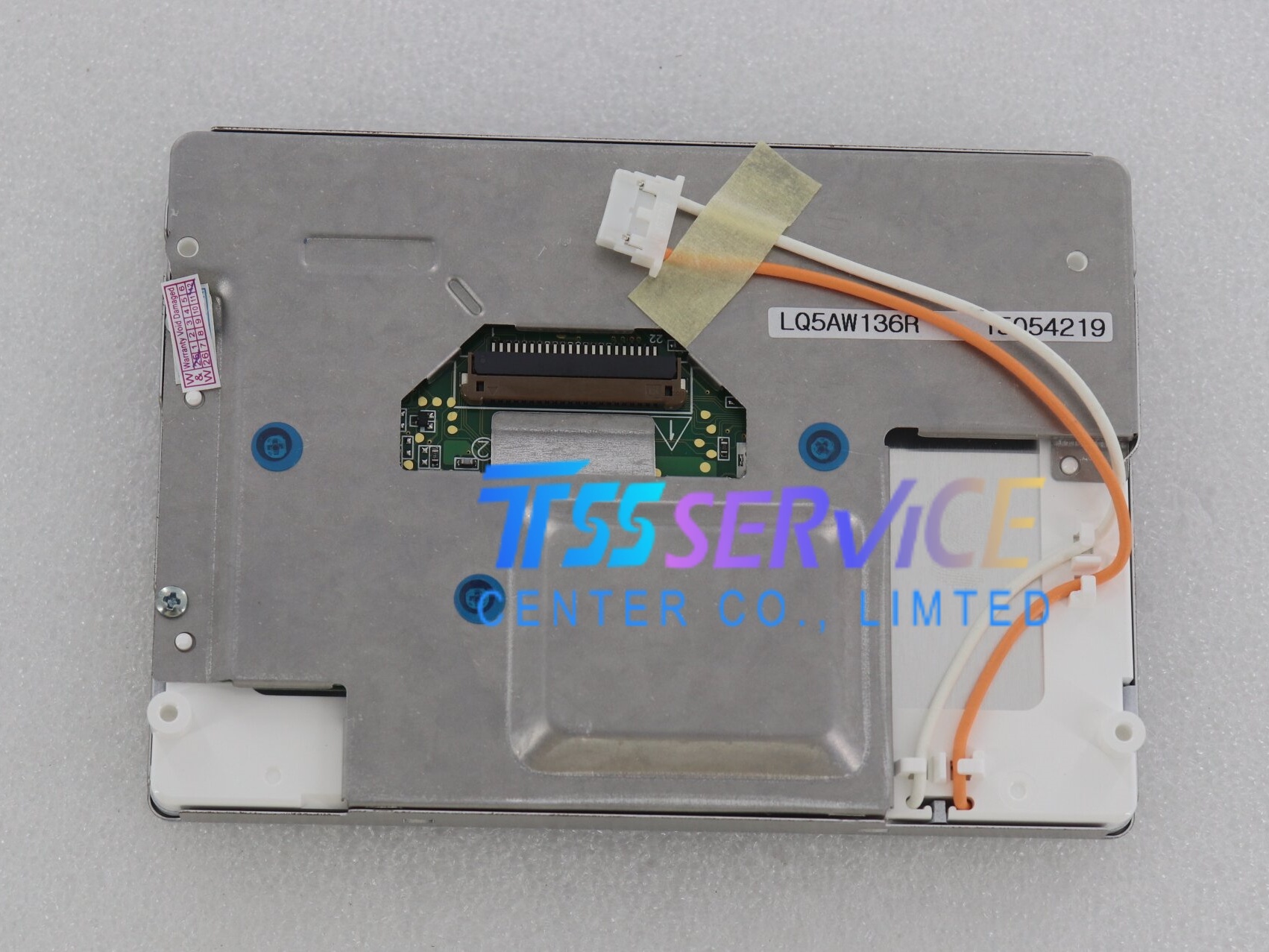
Our analysis will dissect its core technological advantages, from its advanced IPS viewing technology to its robust mechanical and electrical design. We will then contextualize its utility across key industrial sectors and provide crucial considerations for successful integration. This exploration aims to provide a comprehensive understanding of why the Sharp LQ5AW136R is not merely a display, but a foundational element for building resilient and effective industrial systems.
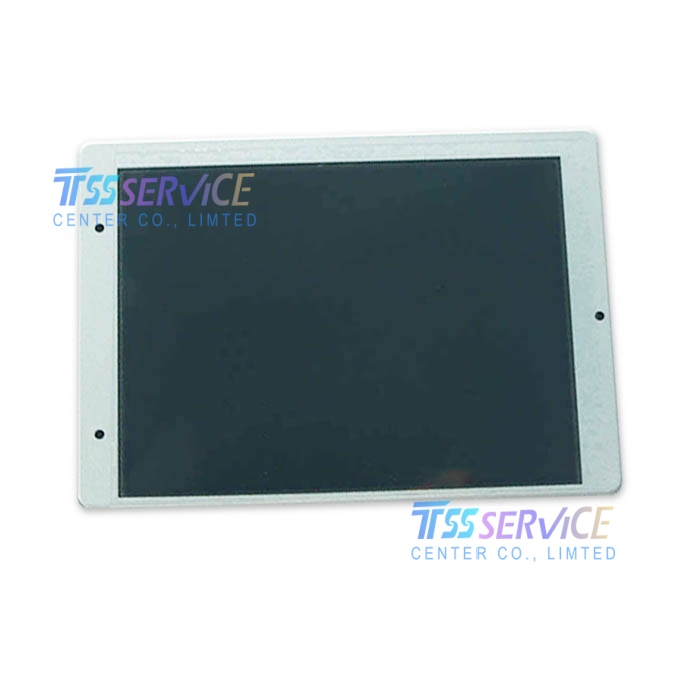
Engineering Resilience: Core Technologies of the LQ5AW136R
At the heart of the Sharp LQ5AW136R lies a suite of technologies engineered for uncompromising performance. The module features a 5-inch diagonal screen with a resolution of 480 x 854 pixels (WVGA), utilizing
In-Plane Switching (IPS) panel technology. This is a critical differentiator from standard TN panels. IPS technology provides exceptionally wide viewing angles—typically 85/85/85/85 degrees (Left/Right/Up/Down)—ensuring consistent color and image integrity without inversion or grayscale shift, even when viewed from extreme angles. This is indispensable in panels mounted in enclosures or viewed by multiple operators.
Beyond the visual, the module is built for physical and operational endurance. It incorporates a robust LED backlighting system with a typical brightness of 500 cd/m², ensuring high visibility in brightly lit factory or outdoor settings. The electrical interface is a straightforward and reliable LVDS (Low-Voltage Differential Signaling) system, known for its resistance to noise—a common challenge in electrically noisy industrial environments. Furthermore, the module is designed to operate across a wide temperature range, a non-negotiable requirement for applications subject to thermal variance.
Designed for Demanding Environments: Mechanical and Interface Robustness
The industrial pedigree of the LQ5AW136R is most evident in its physical and interconnection design. The module is not a consumer-grade product in a metal shell; its construction is inherently industrial. It typically features a rugged metal frame that provides structural integrity, protects the glass substrate from flex and stress, and aids in heat dissipation. This frame also offers standardized mounting points, simplifying secure installation into larger chassis or assemblies.
The interface robustness extends to the connector system. The use of a standard, high-quality FPC (Flexible Printed Circuit) or board-to-board connector for the LVDS signals ensures a secure and reliable connection that can resist vibration and shock. Designers must also note the inclusion of a resistive touch screen option (as found in the LQ5AW136R model). Resistive touch technology, while different from capacitive, is highly advantageous in industrial settings because it can be operated with a stylus, gloved hand, or any object, and is less susceptible to interference from liquids or contaminants—common occurrences on a factory floor.
Application Spectrum: Where the LQ5AW136R Excels
The specific capabilities of this Sharp panel make it an ideal solution for a diverse range of professional and industrial applications. In factory automation and process control, it serves as the primary HMI (Human-Machine Interface) on PLCs, CNC controllers, and test equipment, where clear, reliable feedback is paramount for safety and efficiency. The medical device industry, with its stringent requirements for reliability and readability, utilizes such panels in portable diagnostic equipment, patient monitoring systems, and laboratory instruments.
Beyond these, the display finds purpose in transportation and logistics (e.g., fleet management terminals, forklift displays), building automation control panels, and specialized point-of-sale or kiosk systems in harsh environments. Its combination of a compact 5-inch form factor, high brightness, and wide-temperature operation allows designers to embed sophisticated user interfaces into space-constrained yet challenging applications where consumer displays would rapidly fail.
Critical Integration Considerations for System Designers
Successfully integrating the LQ5AW136R into a final product requires attention to several key factors. First is power sequencing and supply stability. Industrial display modules have specific power-up/down timing requirements for the logic and backlight voltages to prevent latch-up or damage. A clean, stable power supply is essential for long-term reliability. Second, designers must source or design a compatible LVDS controller board to translate video signals from the host processor (e.g., ARM, FPGA) into the LVDS format the panel expects.
Furthermore, the optical stack must be considered. Will the panel be used with a resistive touch overlay? Does the application require an optical bonding service to laminate a cover glass, which enhances durability and reduces internal reflection? Finally, understanding the module's detailed datasheet—including absolute maximum ratings, timing diagrams, and mechanical drawings—is crucial. Partnering with a knowledgeable distributor or Sharp's technical support can mitigate integration risks and accelerate time-to-market for the final industrial product.
The
Sharp LQ5AW136R 5-inch LCD panel exemplifies the intersection of precision display technology and industrial-grade ruggedness. Its IPS core delivers consistent visual performance, while its mechanical and electrical design prioritizes longevity in challenging conditions. As explored, its value is realized across automation, medical, and transportation sectors, serving as a reliable conduit for critical information. Ultimately, selecting this module is a strategic decision for designers seeking a proven, robust display solution. Successful implementation hinges on respecting its integration parameters, thereby transforming a high-quality component into the cornerstone of a dependable and effective industrial system.


