In the intricate world of electronic displays, the choice of a core component like an LCD panel can define the success of a device. This article delves into a detailed examination of the LQ064V3DG01, a 6.4-inch TFT LCD module from Sharp, renowned for its reliability and specific performance characteristics
In the intricate world of electronic displays, the choice of a core component like an LCD panel can define the success of a device. This article delves into a detailed examination of the LQ064V3DG01, a 6.4-inch TFT LCD module from Sharp, renowned for its reliability and specific performance characteristics. With a resolution of 640x480 pixels in an RGB arrangement, this panel occupies a unique niche between standard definition and higher-resolution displays, catering to applications where clarity, durability, and controlled cost are paramount.
We will explore not just its basic specifications, but the underlying technology that makes it suitable for industrial, medical, and instrumentation use. Beyond the datasheet, this analysis will cover its optical performance, interface considerations, and the practical design challenges and solutions associated with its integration. Our goal is to provide engineers, product designers, and procurement specialists with a comprehensive resource to evaluate if the Sharp LQ064V3DG01 is the optimal visual interface for their next project.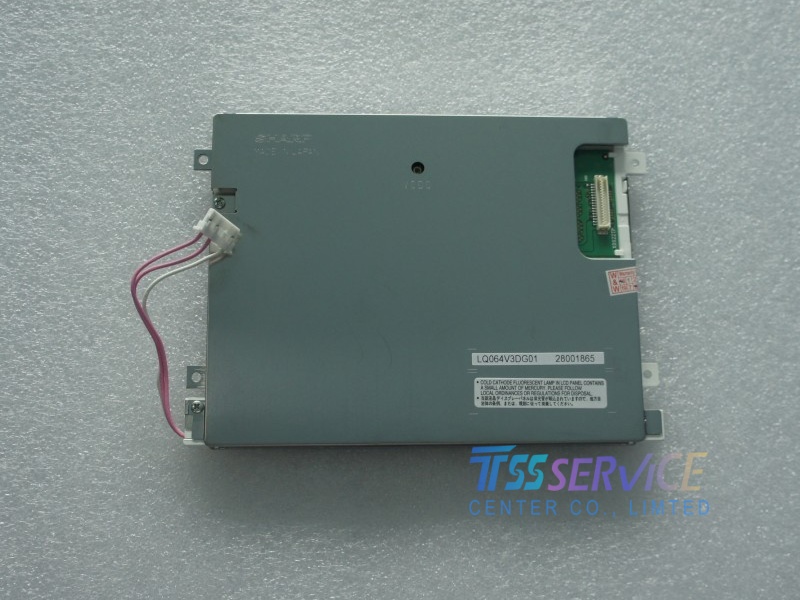
Decoding the Specifications: Core Architecture of the LQ064V3DG01
At first glance, the 6.4-inch diagonal and 640(RGB)×480 pixel resolution suggest a classic VGA format, a standard that remains deeply embedded in numerous systems. The RGB stripe arrangement is a crucial detail, indicating a traditional and well-supported sub-pixel structure that ensures sharp text and well-defined graphics, which is often preferable for human-machine interfaces (HMIs) over pentile matrices. The panel typically offers a brightness level in the range of 300-400 nits, making it readable under normal indoor lighting conditions, with a contrast ratio sufficient for delivering clear image depth.
Digging deeper, the module's construction is as important as its pixels. It commonly incorporates a CCFL (Cold Cathode Fluorescent Lamp) backlight system, known for its uniform illumination and stable performance over a wide temperature range—a key factor for industrial environments. The interface is typically a parallel RGB LVDS (Low Voltage Differential Signaling) or similar, offering a robust and noise-resistant data transmission path from the controller. Understanding these architectural choices is the first step in recognizing this panel's intended application sphere: where consistent performance trumps ultra-high pixel density.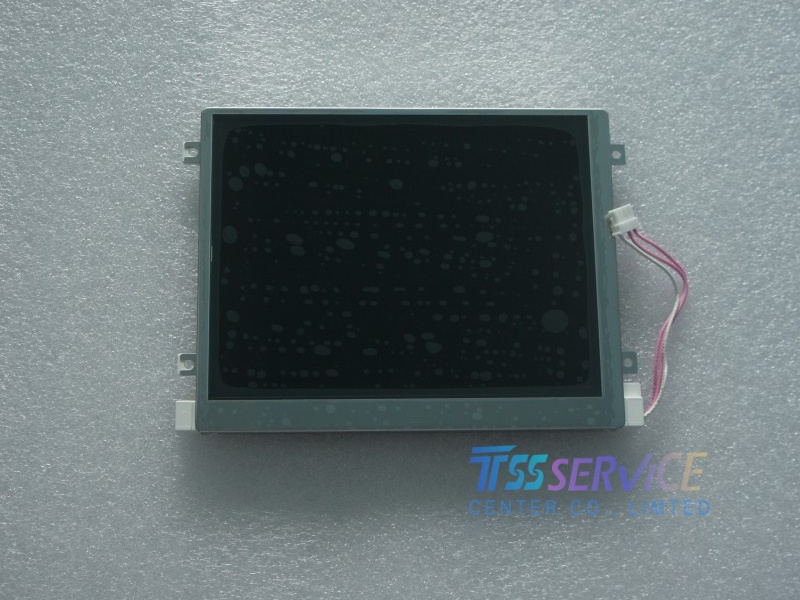
Optical Performance and Viewing Experience in Demanding Environments
The true test of an industrial-grade panel lies in its optical performance under non-ideal conditions. The LQ064V3DG01 is engineered for stability. Its viewing angles, often around 70/70/50/70 degrees (typical for TN or similar technology), are adequate for the single-operator or front-facing devices it's designed for, such as test equipment or medical monitors. The color gamut coverage, usually around 50-60% of NTSC, is sufficient for displaying status indicators, schematic diagrams, and GUI elements with clarity, though it is not intended for high-fidelity color reproduction like a premium smartphone display.
Where this Sharp panel excels is in its environmental robustness. The use of CCFL backlighting contributes to reliable operation across a broad temperature spectrum, often from -20°C to 70°C. This thermal resilience is critical for applications in unheated warehouses, automotive diagnostics, or outdoor-adjacent kiosks. Furthermore, the surface treatment often includes anti-glare coating to mitigate reflections from ambient light, a simple yet vital feature for reducing operator eye strain during prolonged use. This combination makes the viewing experience consistently functional, not just theoretically good on paper.
Integration Essentials: Design Considerations and Interface Logic
Selecting the panel is only half the battle; successfully integrating it into a product is the other. The LQ064V3DG01 presents a well-defined set of requirements. Designers must account for the power sequencing needed for both the LCD logic and the CCFL backlight inverter, as improper timing can damage the components. The physical footprint and mounting holes are standardized, but careful attention must be paid to heat dissipation, especially from the backlight system, to ensure long-term reliability and prevent premature dimming.
On the signal side, the parallel RGB interface demands a compatible controller (often an FPGA or dedicated display driver IC) that can generate the correct clock, synchronization signals, and pixel data map. This involves:
-
Configuring the correct pixel clock frequency for 640x480 at the desired refresh rate (e.g., 60Hz).
-
Ensuring the data bus width matches the panel's requirement (often 18-bit or 24-bit).
-
Implementing proper EMI shielding and cable routing to maintain signal integrity, especially in electrically noisy environments common to industrial settings.
These steps are critical to achieving a stable, flicker-free image.
Strategic Application Analysis: Where This Panel Delivers Maximum Value
The technical profile of the LQ064V3DG01 naturally directs it towards specific market segments. Its value proposition shines in professional and industrial electronics, where lifecycle, reliability, and total cost of ownership are more critical than having the latest display technology. Prime applications include industrial control panels, where it provides a crisp interface for machine operation; medical diagnostic devices, benefiting from its stable performance and readability; and test & measurement equipment, where its standard resolution simplifies integration with legacy data systems.
It is not, however, a fit for consumer portable devices where slim LED backlighting, ultra-wide viewing angles, and touchscreen capabilities are expected. The strategic advantage here is its proven performance and availability in extended lifecycle programs. For companies developing products that may need to remain in production for a decade or more, the maturity and consistent supply of such a panel from a reputable manufacturer like Sharp mitigate significant project risk, making it a strategically sound choice over newer, more volatile display options.
In conclusion, the Sharp LQ064V3DG01 6.4-inch LCD panel stands as a robust and reliable solution engineered for longevity and stability over cutting-edge specs. Its VGA resolution, RGB stripe architecture, and CCFL backlighting cater precisely to the needs of industrial, medical, and instrumentation interfaces, where clarity under varied conditions and operational resilience are non-negotiable. Successful integration requires careful attention to its power, interface, and thermal design. For product developers seeking a dependable display component with a proven track record for demanding professional applications, this panel remains a compelling and strategically viable option that prioritizes functional performance over mere specification metrics.


