n the intricate world of electronic components, the display module often serves as the critical interface between a device and its user. This article delves into a specific and historically significant component: the LM5Q32 5" 320(RGB)×240 CSTN-LCD module designed for Sharp electronics. This display represents a pivotal technology in the evolution of portable screens, bridging the gap between early passive matrix displays and the modern active-matrix dominance. We will explore not just its techn
In the intricate world of electronic components, the display module often serves as the critical interface between a device and its user. This article delves into a specific and historically significant component: the LM5Q32 5" 320(RGB)×240 CSTN-LCD module designed for Sharp electronics. This display represents a pivotal technology in the evolution of portable screens, bridging the gap between early passive matrix displays and the modern active-matrix dominance. We will explore not just its technical specifications, but its operational principles, its defining advantages and limitations within its era, and its most suitable application landscapes. Understanding such a component provides invaluable insight into product design constraints and evolution, especially for engineers, procurement specialists, and enthusiasts dealing with legacy systems or cost-sensitive new designs.
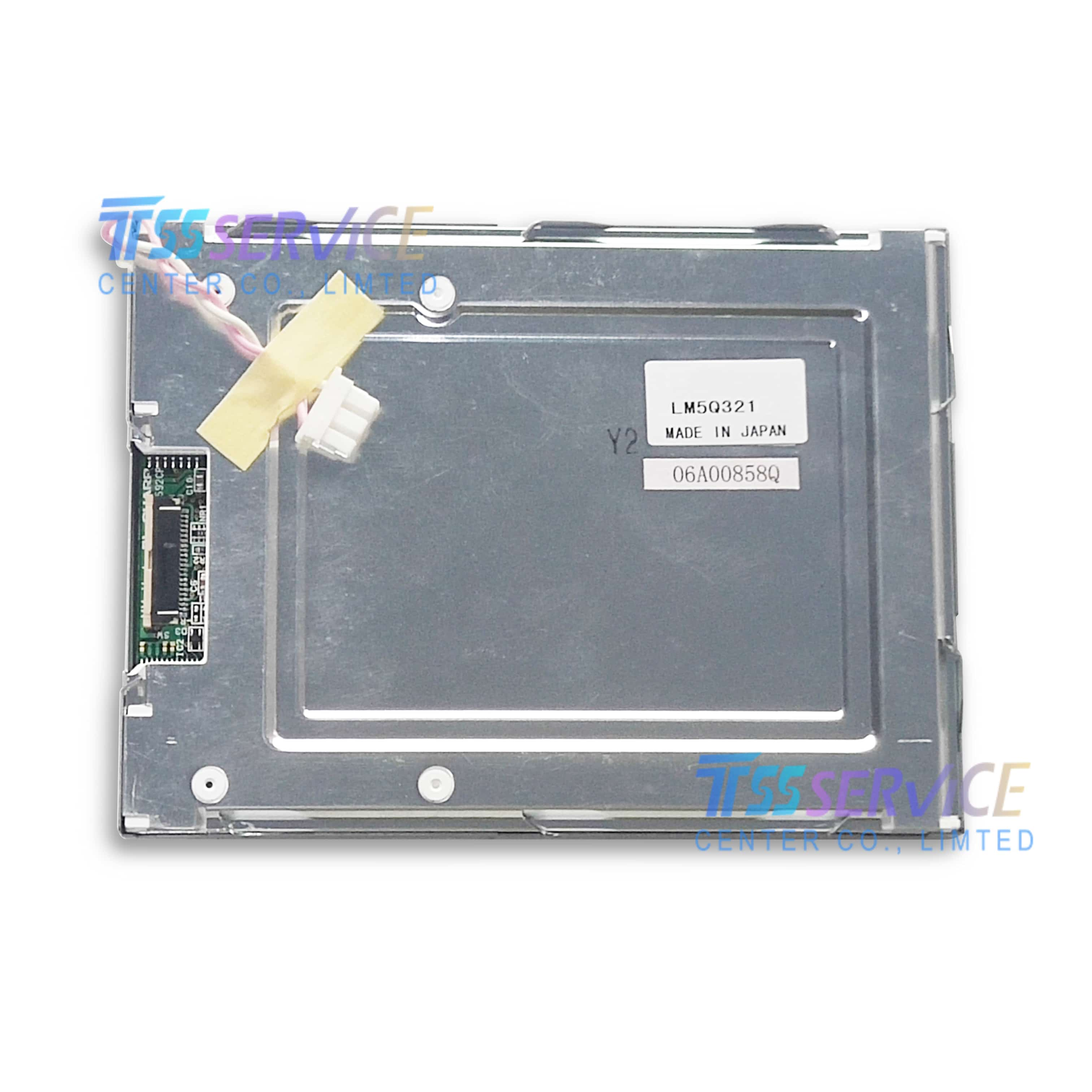
Decoding the LM5Q32: Core Technology and Specifications
The LM5Q32 is a 5-inch diagonal, passive matrix LCD utilizing CSTN (Color Super-Twisted Nematic) technology. Its resolution of 320x240 pixels, often termed QVGA, was a standard for entry-level to mid-range portable devices in its heyday. The "(RGB)" denotes a color depth of 18-bit, capable of displaying 262,144 colors through a spatial dithering pattern. As a passive matrix display, it lacks individual transistors at each pixel. Instead, it relies on a grid of horizontal and vertical conductors to address rows and columns of pixels sequentially.
Key specifications typically include a moderate contrast ratio, view angles that are narrower compared to TFT-LCDs, and a refresh rate sufficient for basic graphical user interfaces and dynamic content, though slower than active matrix counterparts. The module integrates the LCD panel, a CCFL (Cold Cathode Fluorescent Lamp) backlight for illumination, and the necessary driver circuitry. Its interface is typically a parallel RGB or CPU interface, designed for direct connection to a host controller, making it a self-contained display solution for embedded systems.
The CSTN Advantage: Contextual Strengths and Inherent Trade-offs
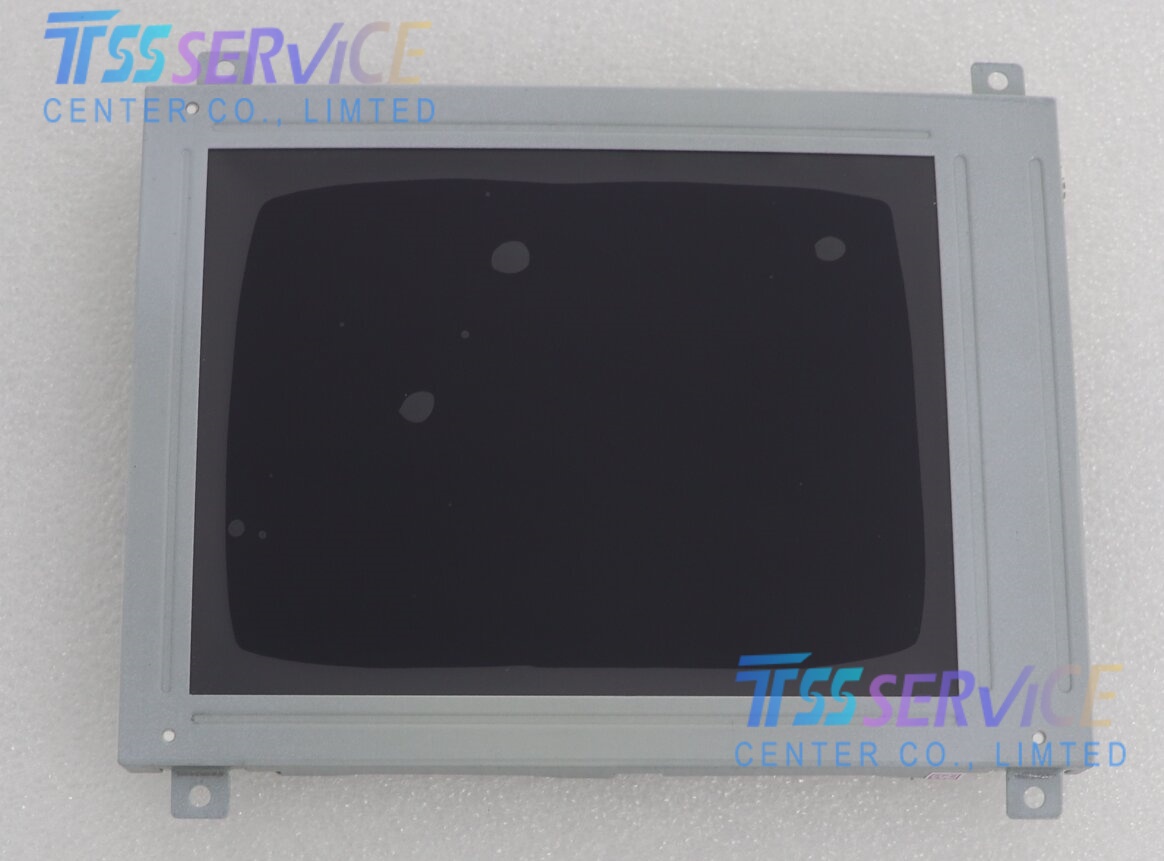
To appreciate the LM5Q32's role, one must understand the contextual advantages of CSTN technology. In the competitive landscape of early 2000s display tech, CSTN emerged as a crucial improvement over earlier DSTN (Dual-Scan STN) displays. Its primary strength was superior color performance and faster response times, achieved by placing a compensation film within the panel to mitigate color shift. This made it viable for smoother menu scrolling, basic animations, and color-rich interfaces that earlier passive matrices struggled with.
However, the trade-offs were inherent. Compared to the emerging TFT-LCD (Thin-Film Transistor) active matrix technology, CSTN displays like the LM5Q32 had lower contrast, more limited viewing angles, and slower pixel response, which could lead to subtle motion blur. Its brilliance lay in its cost-effectiveness and lower power consumption for static or moderately dynamic content. For manufacturers balancing performance, battery life, and bill-of-materials cost, the LM5Q32 offered a compelling "sweet spot" for a wide range of consumer and industrial applications.
Ideal Application Ecosystems and Design Considerations
The LM5Q32 was not designed for high-fidelity video or cutting-edge smartphones. Its characteristics destined it for specific, pragmatic application ecosystems. It found extensive use in portable industrial devices such as handheld test equipment, data loggers, and field service terminals, where durability, readability under controlled lighting, and cost were paramount. It was also a mainstay in early personal navigation devices (PNDs), feature phones, low-end portable DVD players, and embedded medical devices.
Designing with this module required careful consideration. Engineers had to account for its passive matrix driving scheme, which could introduce crosstalk in high-contrast patterns if not managed properly. The reliance on a CCFL backlight demanded an inverter circuit and posed a longevity consideration. Furthermore, interface timing and power sequencing needed strict adherence to datasheet specifications to ensure optimal performance and avoid image retention. Successful integration meant leveraging its simplicity and low system cost while designing around its performance boundaries.
Legacy and Modern Relevance in a TFT-Dominated World
In today's world dominated by high-resolution TFT, OLED, and IPS displays, the LM5Q32 and CSTN technology are largely legacy components. Their primary relevance lies in several key areas. First, for product maintenance and repair of existing equipment manufactured in the 2000s, sourcing compatible modules like the LM5Q32 is crucial for extending product lifecycles in industrial and medical fields. Second, they serve in ultra-cost-sensitive new designs where color and video performance are secondary to basic information display and power budget, such as in simple control panels or dedicated-function devices.
Finally, understanding this technology provides a fundamental lesson in engineering trade-offs. The LM5Q32 stands as a testament to an era of innovation where engineers achieved remarkable functionality within severe constraints. For anyone involved in hardware product development, studying such components underscores the importance of matching technology to application requirements rather than blindly pursuing the latest specs, a principle that remains eternally relevant.
The LM5Q32 5" CSTN-LCD module exemplifies a critical transitional technology in display history, offering a balanced compromise between cost, power, and color capability for its time. Its operational principles highlight the limitations and innovations of passive matrix design, while its application profile demonstrates strategic component selection. Although superseded by advanced technologies for mainstream use, its legacy persists in maintenance cycles and niche, cost-driven designs. Ultimately, a deep dive into such a component reinforces a core tenet of engineering: the optimal solution is not always the most advanced, but the one that most precisely and efficiently fulfills the product's defined purpose within its ecosystem.


