In the intricate world of electronic components, where specifications translate directly into performance, the LQ064V3DG05 stands out as a notable and widely utilized display module. This 6.4-inch LCD panel, with its native resolution of 640 x 480 pixels (VGA), represents a specific era of display technology that continues to find critical applications in modern industrial, medical, and embedded systems. Originally designed for Sharp, this TFT LCD has become a benchmark for reliability in enviro
In the intricate world of electronic components, where specifications translate directly into performance, the LQ064V3DG05 stands out as a notable and widely utilized display module. This 6.4-inch LCD panel, with its native resolution of 640 x 480 pixels (VGA), represents a specific era of display technology that continues to find critical applications in modern industrial, medical, and embedded systems. Originally designed for Sharp, this TFT LCD has become a benchmark for reliability in environments where consistent, clear visual feedback is non-negotiable.
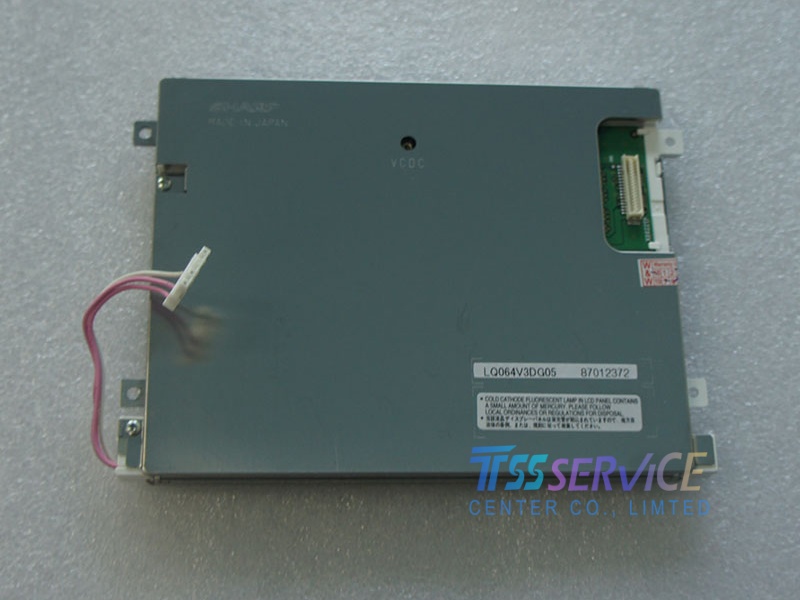
This article delves deep into the LQ064V3DG05, moving beyond basic datasheet parameters. We will explore its defining technical architecture, the specific market niches where its characteristics become advantages, practical considerations for integration, and its enduring relevance in a market flooded with higher-resolution alternatives. Understanding this component is key for engineers, procurement specialists, and product developers aiming to make informed decisions for long-lifecycle projects.
Deconstructing the Core Architecture: More Than Just VGA
At first glance, the 640x480 resolution might seem dated. However, for the LQ064V3DG05, this specification is the foundation of its robustness. The VGA standard offers a perfect 4:3 aspect ratio, which remains ideal for displaying traditional machine interfaces, diagnostic data, and legacy software without complex scaling. The panel utilizes a transmissive TFT (Thin-Film Transistor) LCD design with a CCFL (Cold Cathode Fluorescent Lamp) backlight system. This backlight technology, while less power-efficient than modern LEDs, provides exceptionally uniform and bright illumination, a crucial factor in settings with high ambient light.
The module features an RGB interface, typically accepting 18-bit or 24-bit parallel data. This direct connection allows for fast data transfer and deterministic timing, eliminating the latency and compression artifacts associated with LVDS or eDP interfaces found in newer panels. The mechanical and electrical characteristics—including its outline dimensions, mounting hole positions, and the standard 20-pin connector—have been standardized through widespread adoption, making it a drop-in replacement in many legacy systems. Its operating temperature range, often spanning from -20°C to 70°C, underscores its industrial pedigree.
The Strategic Niche: Why This "Legacy" Panel Thrives
The persistence of the LQ064V3DG05 is not an accident of obsolescence; it is a testament to strategic fit. Its primary applications are in fields where long-term availability, reliability, and environmental stability trump the need for ultra-high pixel density. In industrial automation, this panel is the face of PLCs (Programmable Logic Controllers), CNC machine controls, and test equipment. These systems have development lifecycles spanning decades, and a display change can necessitate costly software and driver redesigns.
Similarly, in the medical and aviation sectors, component qualification is a rigorous, years-long process. Once a display like the LQ064V3DG05 is certified for a diagnostic monitor or avionics display, switching to a new model is prohibitively expensive. Furthermore, its 6.4-inch size and VGA resolution are perfectly suited for compact, dedicated devices where screen real estate is optimized for specific data sets, not multimedia content. This panel thrives in B2B and industrial markets largely invisible to consumers but essential to global infrastructure.
Integration Insights and Design Considerations
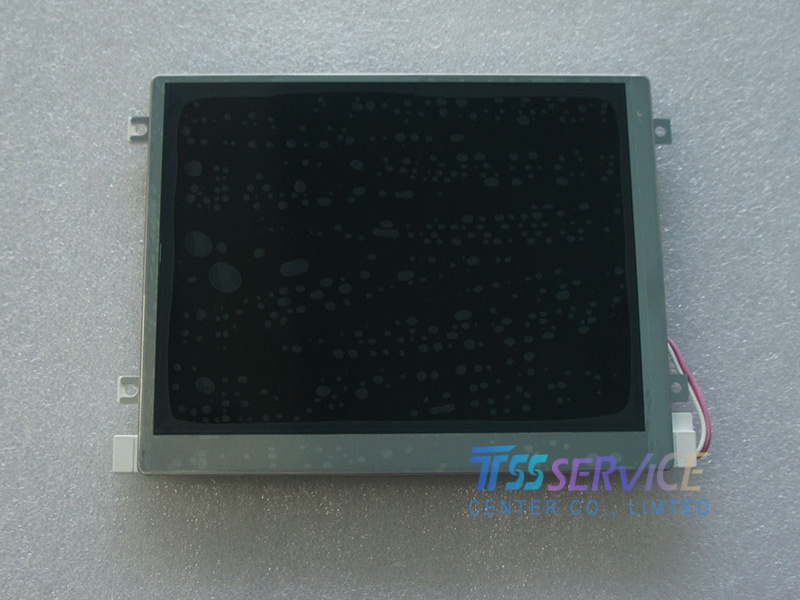
Successfully implementing the LQ064V3DG05 requires attention to its specific operational profile. Engineers must account for the power requirements of the CCFL backlight, which needs a high-voltage inverter circuit. This introduces design complexity compared to simple LED drivers. Thermal management is also key, as the CCFL and its inverter generate more heat than contemporary solutions. Ensuring adequate ventilation in the end-product enclosure is critical for maintaining longevity and preventing premature backlight failure.
From a signal integrity perspective, the parallel RGB interface demands careful PCB layout to minimize crosstalk and ensure clean timing. Designers often need to source or design a controller board that translates modern processor outputs (like from an ARM SoC or FPGA) into the panel's native RGB timing. The good news is that due to the panel's popularity, compatible controller boards and driver ICs are readily available, significantly reducing development time. Sourcing is another vital consideration; while original Sharp production may have ceased, several reputable manufacturers produce fully compatible clones, ensuring supply chain continuity.
The Future in Context: Legacy Tech in a Modern Ecosystem
In an age of 4K OLEDs, discussing a VGA panel may seem anachronistic. Yet, the LQ064V3DG05 exemplifies the concept of "right-tech" rather than "high-tech." Its future is secure within its well-defined verticals. The trend isn't necessarily towards its direct replacement with identical specs, but towards form-fit-function compatible upgrades. We are now seeing modern iterations that maintain the exact same physical footprint and electrical interface but incorporate LED backlights for lower power consumption and longer life, or improved polarizers for wider viewing angles.
The true lesson of this panel's longevity is that in industrial design, technological evolution is often incremental and backwards-compatible. New system designs might opt for more modern interfaces, but for the vast installed base of equipment and for new products prioritizing proven reliability over cutting-edge specs, the LQ064V3DG05 and its direct successors will remain a viable and intelligent choice for years to come. It serves as a bridge between proven performance and ongoing manufacturability.
The LQ064V3DG05 6.4-inch LCD panel is far more than a component; it is a durable standard in a volatile technological landscape. Its enduring value lies in its proven reliability, strategic application in critical industries, and the ecosystem of support that surrounds it. For engineers designing systems where failure is not an option and lifecycle is measured in decades, understanding and leveraging such "legacy" technology is not a compromise—it is a mark of prudent, professional design. This panel reminds us that in the right context, optimized and reliable specifications hold greater worth than mere novelty.


