In the demanding world of industrial automation, medical instrumentation, and human-machine interfaces, the display panel is far more than a simple output device—it is the critical nexus of information and control. Selecting the right component demands a balance of rugged reliability, visual clarity, and precise electronic integration.
In the demanding world of industrial automation, medical instrumentation, and human-machine interfaces, the display panel is far more than a simple output device—it is the critical nexus of information and control. Selecting the right component demands a balance of rugged reliability, visual clarity, and precise electronic integration. This article provides an in-depth exploration of the LQ080V3DG01, an 8.0-inch industrial LCD panel from Sharp, engineered to excel in these challenging environments.
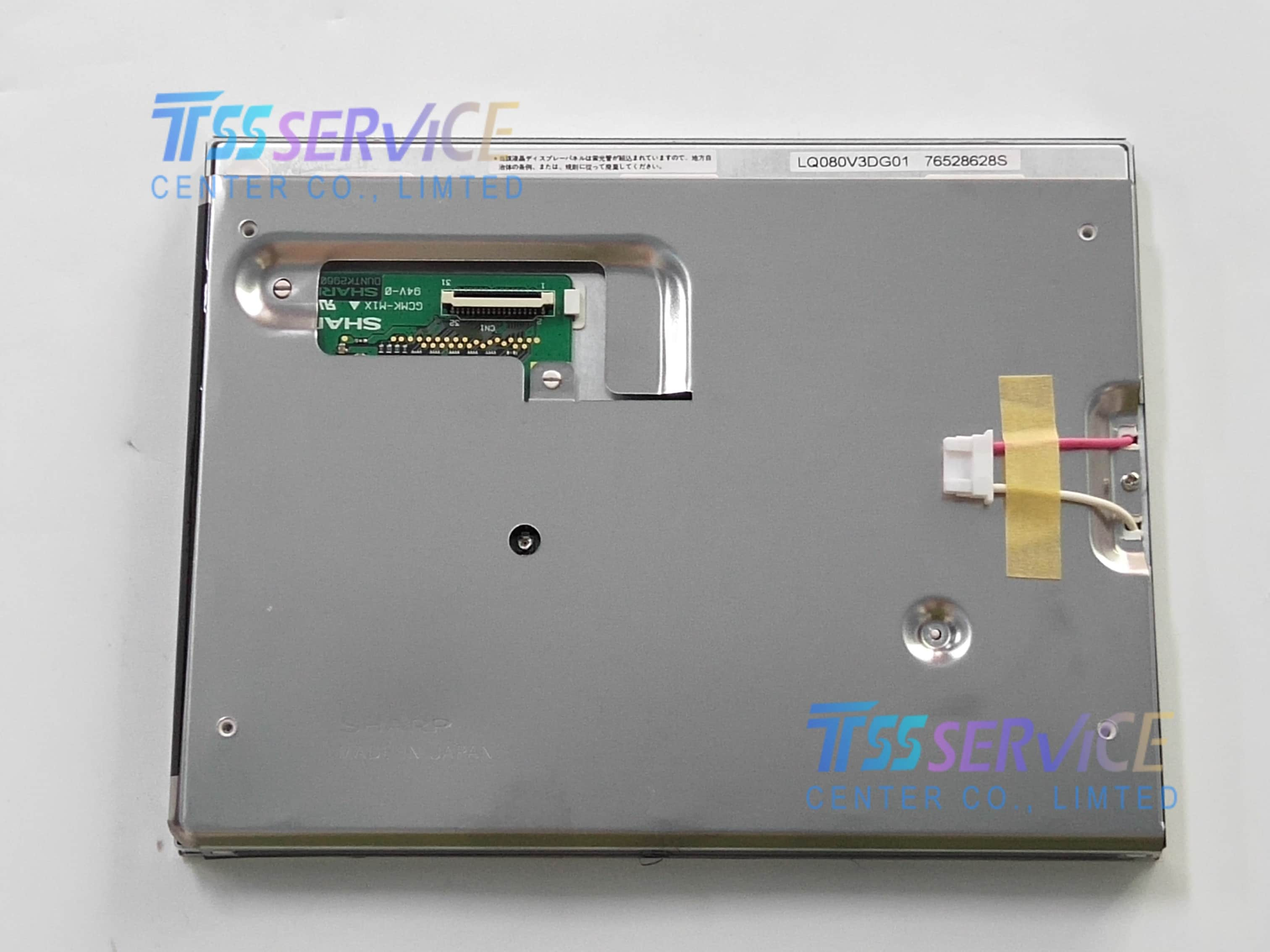
We will dissect its core specifications, from the 640(RGB)×480 resolution to its advanced TFT technology, and move beyond basic datasheet figures. The analysis will cover its optical performance and durability features that define industrial-grade suitability, the specific electrical and mechanical interfaces that dictate integration pathways, and culminate in a discussion of its ideal applications and the tangible value it delivers to OEMs and system integrators. This guide aims to be an essential resource for engineers and procurement specialists making a critical component decision.
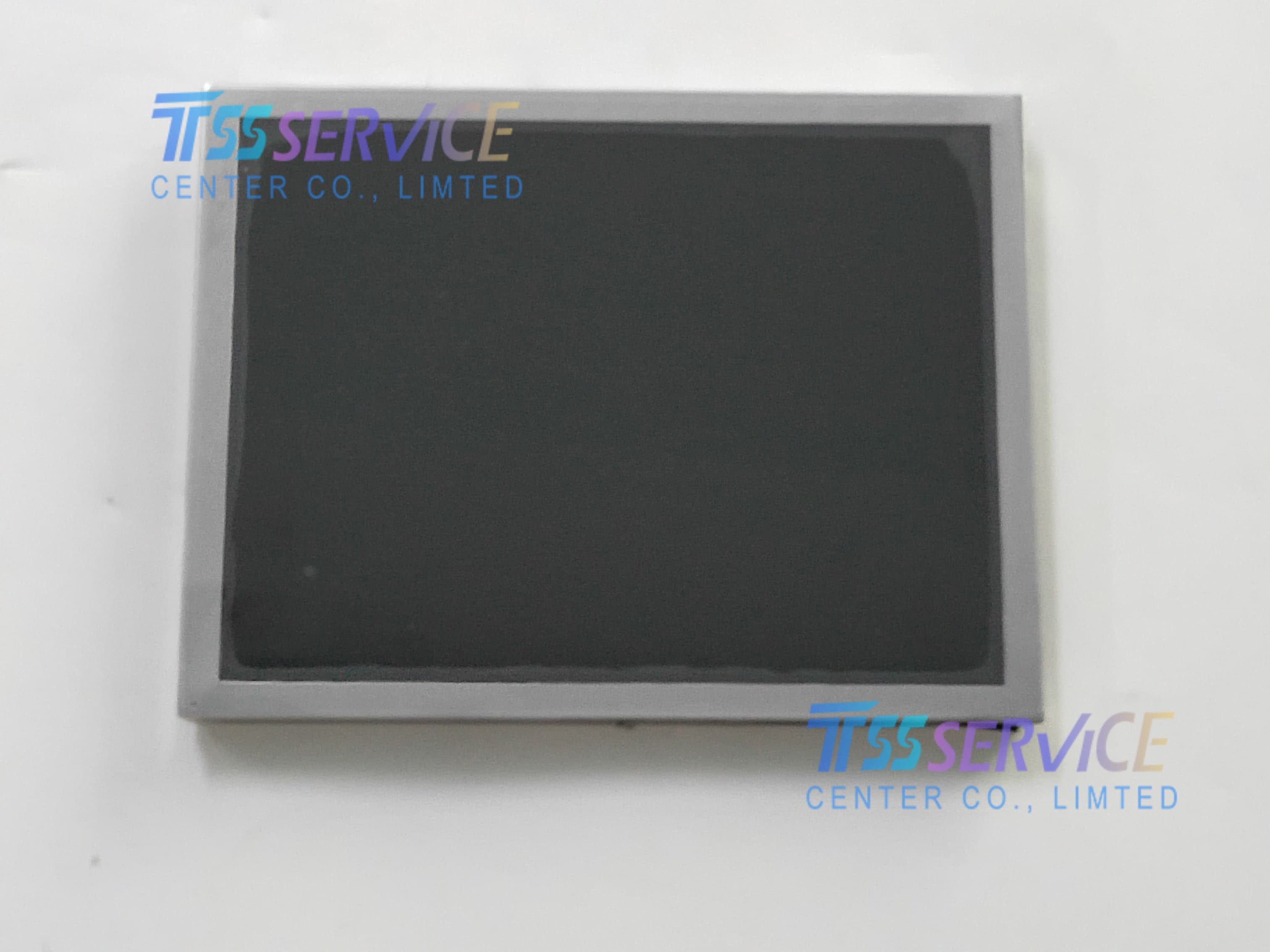
Decoding the Core Specifications: A Foundation of Clarity
At the heart of the LQ080V3DG01 lies a precise set of engineering parameters that define its baseline capabilities. The 8.0-inch diagonal active area, paired with a native resolution of 640 horizontal pixels (in RGB stripe) by 480 vertical pixels, establishes it as a perfect fit for legacy and modern VGA-standard interfaces. This 4:3 aspect ratio remains highly relevant for industrial control systems, diagnostic equipment, and panel PCs where information density and compatibility are paramount.
The panel utilizes a transmissive TFT (Thin-Film Transistor) LCD with an a-Si (amorphous Silicon) backplane, ensuring fast response times and stable performance. Key specifications include a brightness of typically 450 cd/m², which guarantees readability in well-lit factory or laboratory settings. The contrast ratio and color gamut are tailored for instrumental readouts and GUI elements rather than multimedia consumption, emphasizing accuracy and legibility. Understanding these foundational specs is crucial, as they directly inform the panel's performance in the subsequent areas of environmental robustness and system integration.
Optical Performance and Industrial Durability
Moving beyond basic specs, the true merit of an industrial panel is tested by its performance under duress. The LQ080V3DG01 is built to withstand conditions that would compromise commercial displays. Its high brightness is complemented by a wide viewing angle, typically using IPS or similar technology, ensuring consistent color and contrast for operators viewing from different positions—a critical feature in mounted control panels.
Durability is engineered into its construction. The panel features a robust mechanical design resistant to vibration and shock, common in manufacturing and transportation environments. Furthermore, it is rated for an extended operational temperature range, often from -30°C to +80°C, ensuring startup and functionality in freezing cold warehouses or near hot machinery. Many industrial variants also feature enhanced humidity resistance and protective coatings. This resilience ensures not just visual performance, but long-term operational reliability, minimizing downtime and maintenance costs in critical applications.
Electrical Interface and Mechanical Integration
A display panel does not operate in isolation; its value is realized through seamless integration. The LQ080V3DG01 typically features an LVDS (Low-Voltage Differential Signaling) interface, the industry standard for robust, low-noise data transmission over longer distances within a device chassis. This requires a compatible controller board (LCD driver) to translate video signals from the host system (e.g., via VGA, DVI, or embedded CPU).
Mechanically, the panel is designed as a drop-in module. Integration considerations include:
-
Outline Dimensions and Bezel Area: Precise measurements for chassis cutouts.
-
Mounting Hole Positions: For secure mechanical attachment.
-
Backlight System: Usually high-longevity LED-based, requiring an inverter or constant-current driver for power.
-
Connector Type and Location: Defining cable routing and strain relief.
Proper attention to these electrical and mechanical details is what transforms a quality panel like the LQ080V3DG01 into a reliable subsystem within a larger product.
Target Applications and Delivered Value Proposition
The characteristics of the LQ080V3DG01 coalesce to define its ideal application landscape. It is not a general-purpose screen but a specialized tool for environments where failure is not an option. Primary applications include industrial automation HMI (touch-screen control panels for PLCs), medical monitoring devices (where clarity and reliability are vital), test and measurement equipment, and transportation information displays.
The value proposition for an OEM is multifaceted. First, it offers reduced risk through proven reliability and a wide operating temperature range. Second, it simplifies design with a standardized, well-documented interface. Third, it ensures long-term supply stability, a hallmark of Sharp's industrial line, protecting against production line obsolescence. By choosing a dedicated industrial panel like this, manufacturers invest in the reduced total cost of ownership, enhanced brand reputation for quality, and the uncompromising performance their end-users demand.
In conclusion, the Sharp LQ080V3DG01 8.0-inch industrial LCD panel stands as a meticulously engineered solution for critical display applications. Its combination of VGA-standard resolution, high-brightness durability, wide-temperature operation, and reliable LVDS interface makes it far more than a simple component—it is a cornerstone for building robust human-machine interfaces. For engineers designing systems for industrial, medical, or instrumentation markets, selecting this panel represents a strategic decision to prioritize long-term reliability, seamless integration, and ultimate performance in the field, thereby safeguarding the integrity and functionality of the final product.


