In the demanding world of industrial automation, medical devices, and point-of-sale systems, the display is far more than a simple output window—it is the critical human-machine interface where reliability, clarity, and durability are non-negotiable. This article delves into the LQ084V1DG42, an 8.4-inch industrial LCD panel originally designed for Sharp, which has established itself as a benchmark component in specialized applications. We will move beyond basic specifications to explore the engi
In the demanding world of industrial automation, medical devices, and point-of-sale systems, the display is far more than a simple output window—it is the critical human-machine interface where reliability, clarity, and durability are non-negotiable. This article delves into the LQ084V1DG42, an 8.4-inch industrial LCD panel originally designed for Sharp, which has established itself as a benchmark component in specialized applications. We will move beyond basic specifications to explore the engineering philosophy behind its 640x480 (VGA) resolution, its robust construction, and the specific operational environments where it excels.
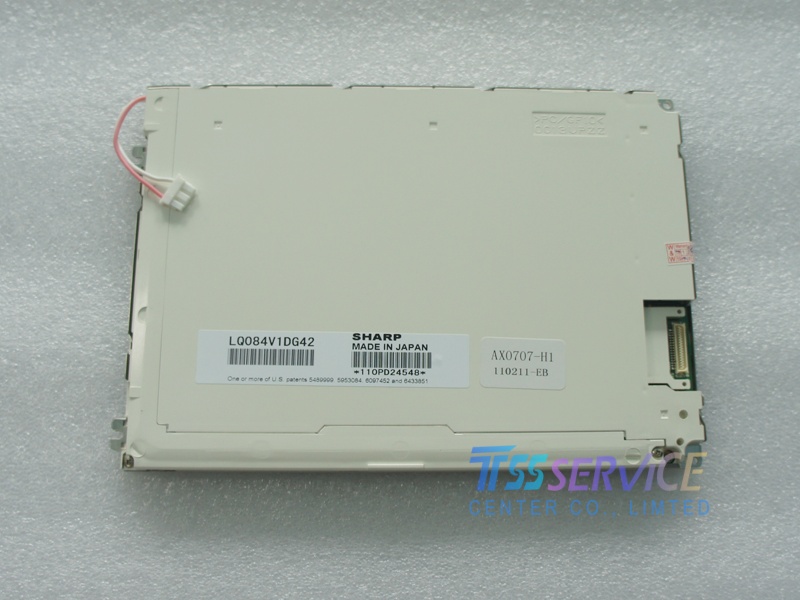
The core question we address is not just "what" this screen is, but "why" it remains a preferred solution in an era of ultra-high-definition displays. By examining its technical merits, integration requirements, and real-world application scenarios, this analysis provides engineers, product designers, and procurement specialists with the depth of understanding needed to make informed decisions for mission-critical projects.
Engineering for Endurance: The Robust Architecture of the LQ084V1DG42
At first glance, the 640x480 resolution of the LQ084V1DG42 might seem modest. However, this specification is a deliberate engineering choice that underpins its industrial pedigree. The VGA format provides large, easily discernible pixels, which is crucial for displaying legacy HMI graphics, diagnostic data, or textual information without requiring excessive scaling or complex font rendering. This translates to lower processing overhead for embedded systems and guaranteed legibility under various viewing conditions.
The panel's robustness is its defining characteristic. Unlike commercial-grade screens, it is built to withstand:
-
Extended Temperature Ranges: Stable operation across a wide thermal envelope, essential for unheated enclosures or locations near machinery.
-
High Brightness and Anti-Glare Treatment: Typically offering high nits output with surface treatments to maintain readability in brightly lit factories or outdoor settings.
-
Longevity and Stable Supply: Industrial components are characterized by long lifecycle availability, a critical factor for products that may be in service for a decade or more, avoiding the rapid obsolescence cycles of consumer displays.
This architectural focus ensures the display functions not as a fragile commodity, but as a dependable system component.
The Integration Blueprint: Interfaces, Signals, and Power Considerations
Successfully deploying the LQ084V1DG42 requires a clear understanding of its integration parameters. This panel typically utilizes an LVDS (Low-Voltage Differential Signaling) interface. LVDS is favored in industrial settings for its noise immunity, which allows for reliable data transmission over longer cable lengths within electrically noisy environments—a common scenario in industrial plants.
Integrators must pay close attention to the specific pinout and timing requirements detailed in the panel's datasheet. A controller board (often called a LCD driver board) is almost always necessary to convert common video output signals (like HDMI, VGA, or DVI from a single-board computer) into the precise LVDS format the panel expects. Furthermore, power sequencing—the controlled order in which panel power and logic signals are applied—is crucial to prevent damage. This chapter underscores that proper integration is a systematic process, where attention to electrical detail prevents field failures.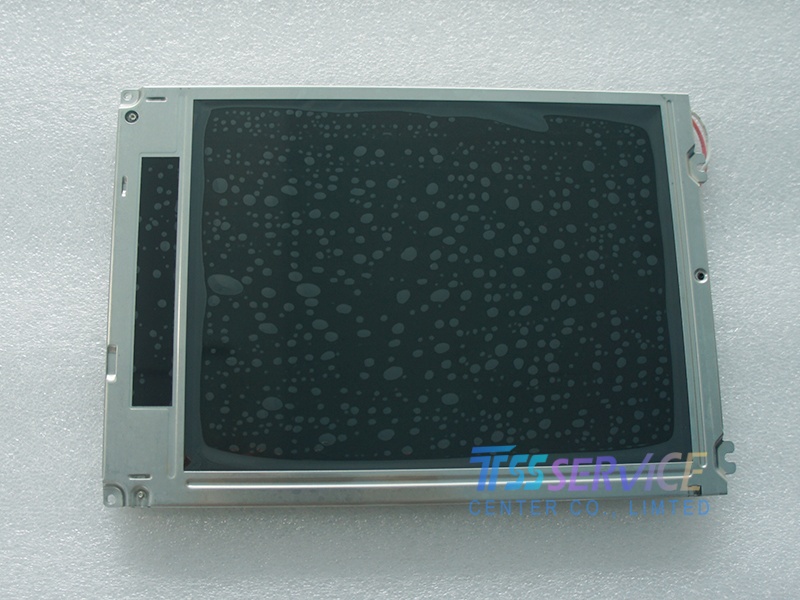
Ideal Application Ecosystems: Where This Industrial Screen Excels
The true value of the LQ084V1DG42 is realized in environments where failure is not an option. Its characteristics make it a perfect fit for several key verticals:
-
Industrial Control Panels (HMI): As the face of PLCs and control systems on factory floors, where it must resist vibration, dust, and continuous operation.
-
Medical Diagnostic Equipment: In devices like portable ultrasound units or patient monitors, where consistent color representation and reliability are paramount.
-
Transportation and Fleet Management: For in-vehicle systems, ruggedized POS terminals, and kiosks exposed to constant use and variable temperatures.
-
Legacy System Upgrades: As a direct, higher-quality replacement for aging CRT or early-generation LCD displays in existing machinery, extending the equipment's service life.
In these contexts, the screen is not merely displaying information; it is an integral part of a larger, high-stakes system.
Strategic Sourcing and Lifecycle Management
Procuring a component like the LQ084V1DG42 involves strategic considerations beyond a simple online purchase. Given its industrial nature, sourcing from authorized distributors or specialized suppliers is essential to guarantee authenticity, access technical support, and ensure compliance with stated specifications. The risk of counterfeit or commercial-grade substitutes posing as industrial panels is a real concern that can jeopardize entire projects.
Furthermore, lifecycle management is a core part of the decision. Product designers must evaluate the manufacturer's commitment to long-term availability to align with their own product's support timeline. This often justifies a potentially higher initial unit cost compared to consumer screens. Planning for the entire product lifespan, including potential future repair or batch production needs, is a fundamental aspect of working with industrial-grade components.
In conclusion, the LQ084V1DG42 8.4-inch industrial LCD represents a paradigm of purpose-driven design, where longevity, reliability, and signal integrity take precedence over sheer pixel count. Its continued relevance is a testament to the enduring needs of specialized industries that value performance under pressure over fleeting technological trends. For engineers building systems where downtime is costly and performance is critical, selecting this display is a strategic decision that prioritizes the total cost of ownership and operational certainty. It stands as a robust bridge between digital control systems and the physical world they manage.


