In the intricate world of industrial display solutions, the choice of a core component like an LCD screen can define the performance, reliability, and user experience of an entire product line. This article delves into a detailed examination of the LQ104S1DG21, a 10.4-inch a-Si TFT-LCD module originally designed for Sharp. This specific panel, with its 800(RGB)×600 resolution, represents a mature yet highly relevant technology standard in sectors where durability and clarity under demanding cond
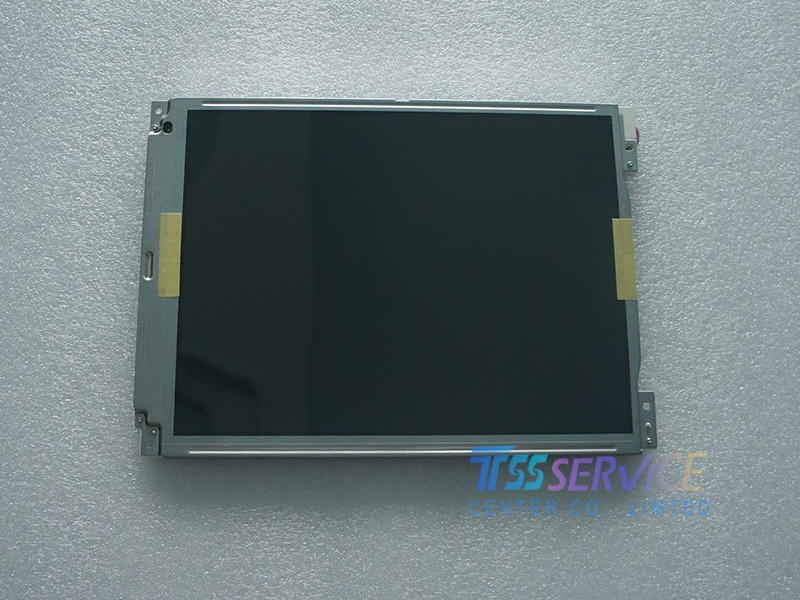
In the intricate world of industrial display solutions, the choice of a core component like an LCD screen can define the performance, reliability, and user experience of an entire product line. This article delves into a detailed examination of the LQ104S1DG21, a 10.4-inch a-Si TFT-LCD module originally designed for Sharp. This specific panel, with its 800(RGB)×600 resolution, represents a mature yet highly relevant technology standard in sectors where durability and clarity under demanding conditions are non-negotiable.
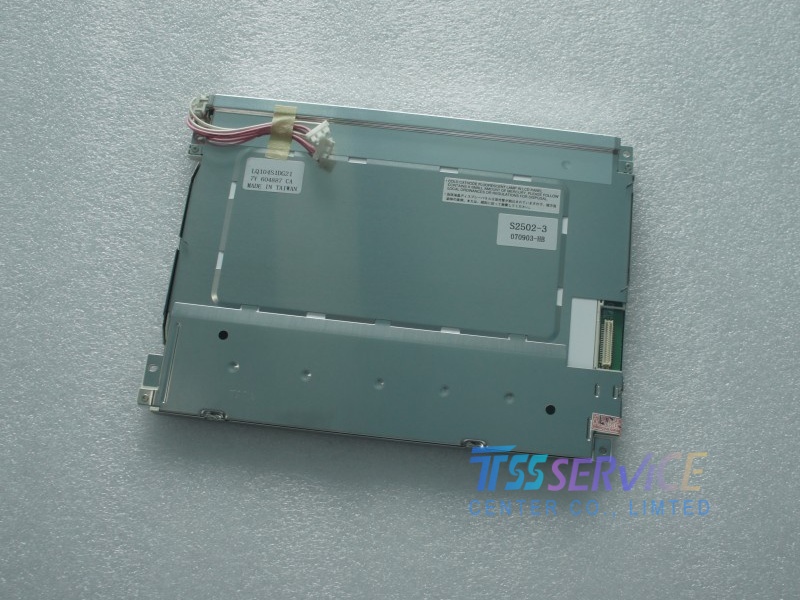
We will explore its fundamental architecture, decode the significance of its technical specifications, and analyze its ideal application environments. Moving beyond mere datasheet parameters, this analysis aims to provide engineers, product designers, and procurement specialists with a comprehensive understanding of where this display excels and what considerations are vital for its successful integration, ensuring informed decision-making for industrial, medical, and instrumentation projects.
Deconstructing the LQ104S1DG21: Core Architecture and Technology
At its heart, the LQ104S1DG21 is built upon amorphous Silicon (a-Si) Thin-Film Transistor (TFT) technology. This mature and cost-effective manufacturing process is renowned for its stability and high production yield. The "10.4inch" designation refers to the diagonal measurement of the active display area, a size that offers a substantial viewing area without being overly bulky, making it a classic choice for embedded systems. The resolution of 800 horizontal pixels (each with RGB sub-pixels) by 600 vertical pixels results in an XGA standard format with a 4:3 aspect ratio.
This 4:3 aspect is a key identifier. Unlike the widescreen 16:9 panels common in consumer electronics, the squarer format is exceptionally well-suited for displaying traditional data interfaces, machinery control panels, legacy system dashboards, and medical monitoring equipment, where information is often arranged in vertical lists or square diagnostic windows. The module typically integrates a CCFL or LED backlight unit, with the latter offering advantages in longevity, power efficiency, and a more consistent brightness profile across the screen. Understanding this foundational architecture is crucial for recognizing the module's inherent strengths and its design philosophy centered on reliability and functional clarity.
Interpreting Key Specifications for Real-World Performance
The numerical specifications of the LQ104S1DG21 translate directly into tangible performance characteristics in the field. Parameters such as brightness (typically measured in nits), contrast ratio, and viewing angles are not just numbers but determinants of usability. A high brightness level ensures readability in brightly lit industrial environments or under ambient sunlight. A robust contrast ratio delivers sharper differentiation between text, graphics, and backgrounds, reducing eye strain during prolonged monitoring.
Furthermore, the interface type—commonly LVDS (Low-Voltage Differential Signaling) for this class of module—is critical. LVDS provides a robust, noise-resistant signal transmission, which is essential for maintaining a stable, flicker-free image in electrically noisy environments typical of factories or medical labs. Other vital specs include the operating temperature range, which defines the environmental resilience of the display, and the mechanical outline dimensions and bezel mounting options, which dictate how it will physically integrate into a device chassis. A deep dive into these specs reveals a component engineered not for peak multimedia performance, but for consistent, dependable operation where failure is not an option.
Strategic Application Environments and Integration Advantages
The technical profile of the LQ104S1DG21 makes it a strategic fit for specific, demanding vertical markets. Its primary arena is industrial automation and Human-Machine Interface (HMI) equipment. On factory floors, controlling machinery, monitoring production lines, and visualizing SCADA systems require displays that are readable from various angles, resistant to vibration, and capable of 24/7 operation. The 4:3 aspect ratio perfectly accommodates traditional control software layouts.
Similarly, in the medical device field, for patient monitors, diagnostic ultrasound systems, or laboratory analyzers, display accuracy, reliability, and the ability to present grayscale medical images clearly are paramount. The module's stability meets stringent medical standards. Other key applications include point-of-sale (POS) systems, transportation infotainment, and specialized instrumentation. The advantage of using a proven module like the LQ104S1DG21 lies in its predictable performance, extensive field history, and the reduced design risk associated with integrating a mature, well-understood component, as opposed to a cutting-edge but less-proven alternative.
Critical Considerations for Sourcing and Future-Proofing
While the LQ104S1DG21 offers significant benefits, informed integration requires careful planning. A primary consideration is supply chain longevity. As a module originally designed for Sharp and now often available through secondary manufacturers or as a compatible solution, verifying a stable and reputable source is essential to avoid production delays. Engineers must also account for the total system design: ensuring compatibility of the LVDS interface with their chosen controller board, designing appropriate power sequencing circuits, and implementing effective thermal management to sustain performance across the rated temperature range.
Looking forward, the question of future-proofing arises. While the 4:3 XGA format is ideal for many existing applications, newer systems may demand widescreen formats or higher resolutions like 1080p. The decision involves a trade-off: the proven reliability and cost-effectiveness of a mature technology versus the modern feature set of newer panels. For long-lifecycle products where a complete redesign is costly, the LQ104S1DG21 remains a compelling and rational choice, ensuring serviceability and component availability for years to come.
In conclusion, the Sharp LQ104S1DG21 10.4-inch a-Si TFT-LCD module stands as a testament to engineered reliability in the industrial display sector. Its XGA resolution and 4:3 aspect ratio are strategically aligned with the interface demands of industrial control, medical instrumentation, and other professional applications. Success with this component hinges on a thorough understanding of its specifications, a clear alignment with the target application's environmental needs, and strategic sourcing from reliable supply channels. For projects prioritizing durability, clarity, and proven performance over the latest consumer trends, the LQ104S1DG21 continues to offer a robust and valuable display solution that forms a solid foundation for critical systems.


