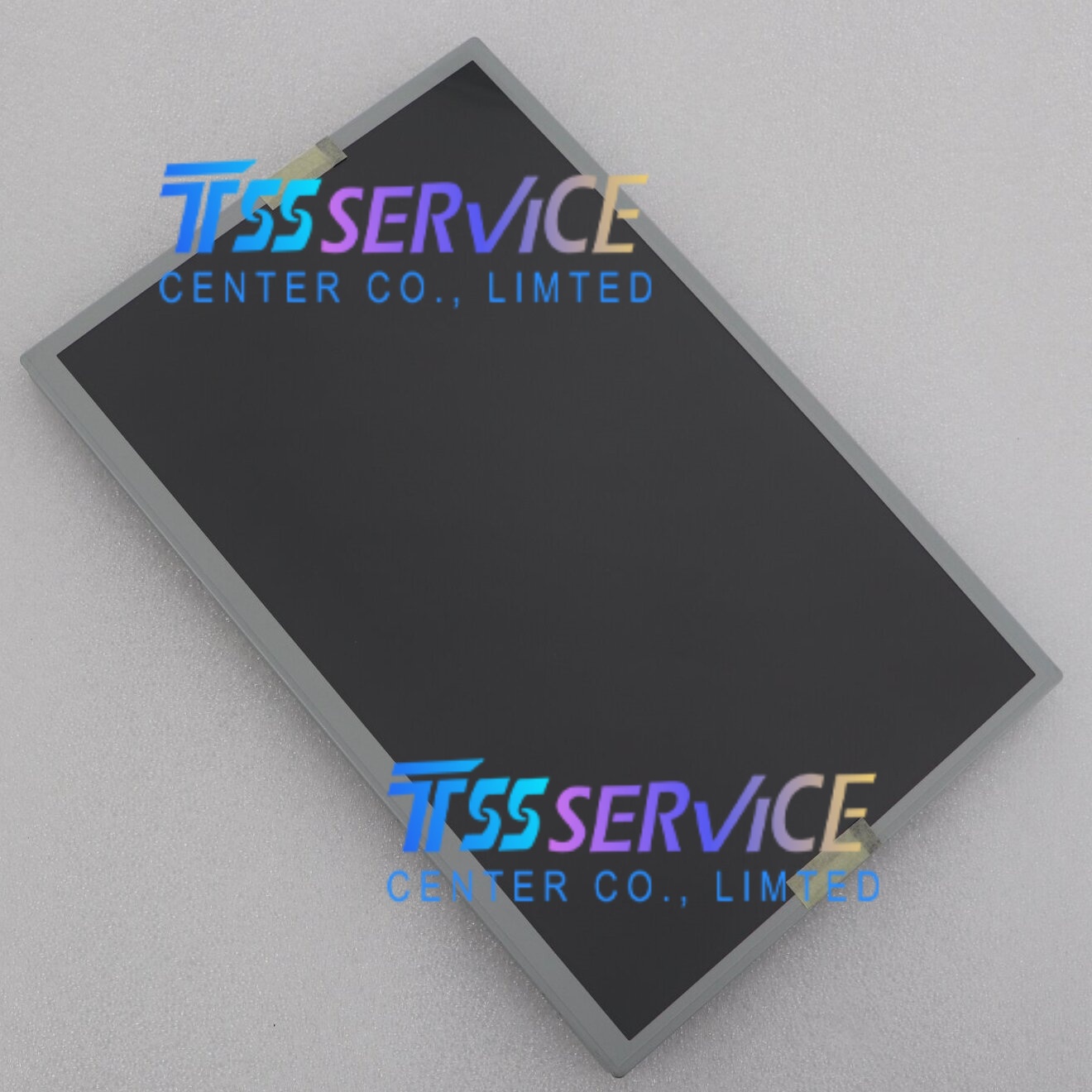
In the intricate world of electronic repair and display technology, the precise identification and understanding of individual components are paramount. This article delves into the specifics of the LQ121K1LG59, a 12.1-inch LCD display panel designed for integration into various Sharp-branded devices.
In the intricate world of electronic repair and display technology, the precise identification and understanding of individual components are paramount. This article delves into the specifics of the LQ121K1LG59, a 12.1-inch LCD display panel designed for integration into various Sharp-branded devices. More than just a part number, this panel represents a specific set of technical solutions for visual output. We will move beyond basic specifications to explore its defining characteristics, typical applications, and the critical considerations for sourcing and integration. Whether you are a technician, a procurement specialist, or a DIY enthusiast, this deep dive aims to provide a comprehensive resource, transforming a cryptic model number into a clear blueprint for informed decision-making.
Decoding the LQ121K1LG59: Technical Specifications and Core Features
The alphanumeric string LQ121K1LG59 is a precise identifier that reveals the panel's core attributes. Breaking it down, "LQ" typically denotes an LCD model, "121" confirms the 12.1-inch diagonal screen size, and the suffix details the specific revision and backlight type. The fundamental resolution of 1280x800 (WXGA) offers a 16:10 aspect ratio, a format historically favored for its balance between width and vertical workspace, suitable for both multimedia and basic computing tasks. Key technical features often include an LVDS (Low-Voltage Differential Signaling) interface, which is standard for transmitting high-speed video data in such panels. The luminance, color gamut, and viewing angles are engineered to meet the original equipment manufacturer's (OEM) requirements for the host device. Understanding these specs is not an exercise in trivia; it is the first step in verifying compatibility and performance expectations, ensuring this panel can serve as a true functional replacement.
Typical Applications and Integration Context
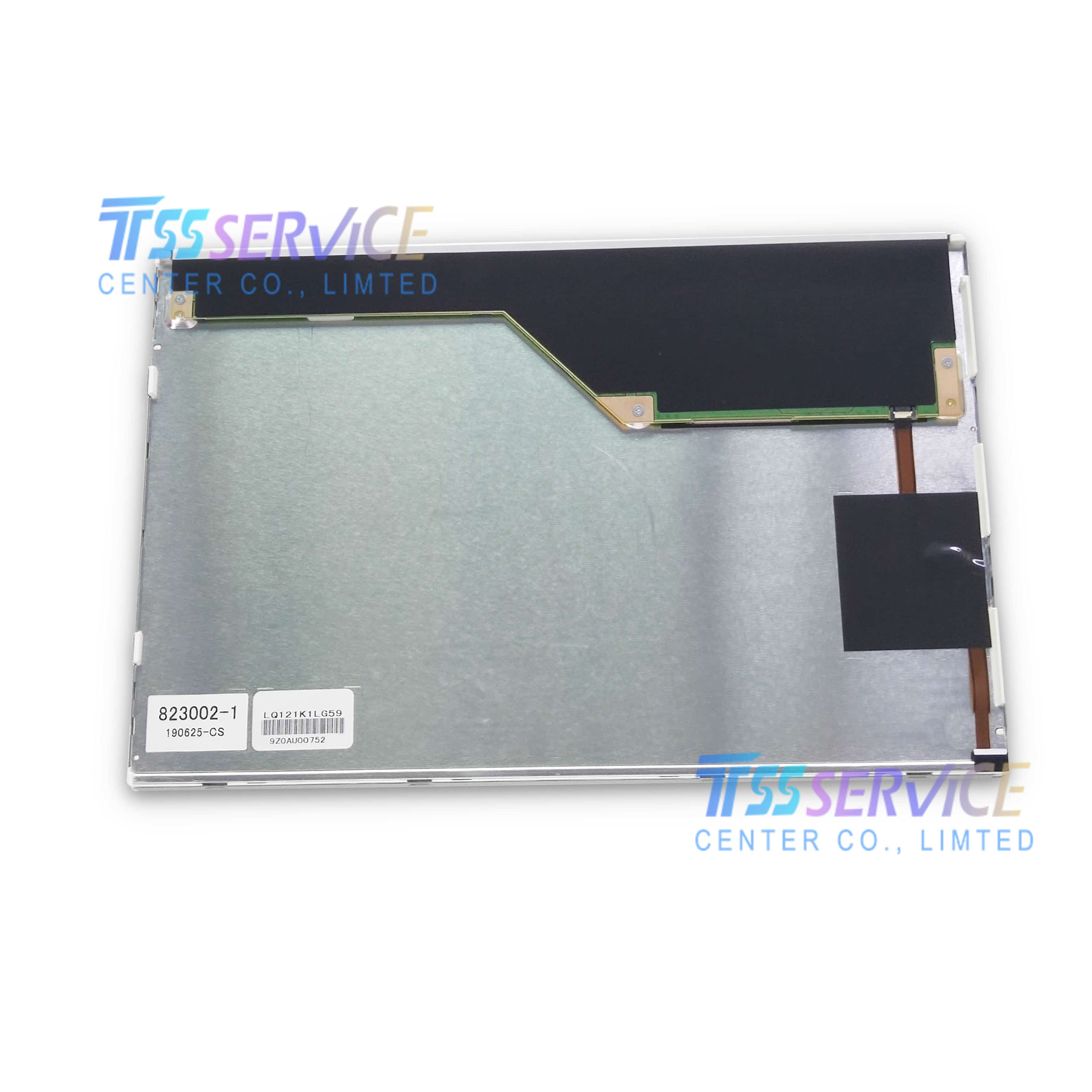
This display panel is not a consumer-facing product but an industrial component. Its primary application lies within the ecosystems of Sharp-branded medical monitors, industrial control systems, or specialized portable workstations. You might find the LQ121K1LG59 at the heart of an ultrasound machine's display, a factory floor control terminal, or a field-service diagnostic device. In these contexts, reliability, consistency, and longevity are far more critical than ultra-high refresh rates or extreme contrast ratios. The panel is designed to be integrated into a larger system, connecting via a fixed connector to a dedicated controller board. Recognizing its typical use cases underscores the environment it was engineered for: one where precision and durability under potentially continuous operation are non-negotiable. This knowledge helps technicians diagnose whether a system's visual fault likely stems from the panel itself or an external controller, power supply, or signal source
.
Critical Considerations for Sourcing and Compatibility
Sourcing a replacement LQ121K1LG59 panel presents a significant challenge that goes beyond simply matching the model number. The market contains original, refurbished, and compatible panels, each with different implications for cost, quality, and longevity. A critical, often overlooked, step is verifying the mechanical and electrical interface. This includes:
-
Physical Dimensions and Bezel: Mounting hole positions, overall thickness, and front bezel design must match the original.
-
Connector Type and Pinout: The LVDS connector's physical shape and pin assignment must be identical.
-
Backlight Configuration: Whether it uses CCFL or LED backlighting, and the specific voltage and current requirements.
Purchasing a panel with mismatched interfaces renders it useless. Furthermore, ensuring the replacement is sourced from a reputable supplier with technical support is crucial to avoid receiving mislabeled or faulty components, which can lead to project delays and additional costs.
Installation Nuances and Long-Term Performance Outlook
Successful installation requires an ESD-safe environment and meticulous handling to avoid damaging the fragile LCD matrix and connectors. The process typically involves carefully disassembling the host device, disconnecting the old panel, and securing the new one in its place, ensuring all cables are seated firmly and routed to avoid pinch points. Post-installation, calibrating the display—if the host system allows it—can optimize color accuracy and brightness for the specific unit. Regarding long-term performance, while a new original or high-quality refurbished panel can restore a device to its initial visual standard, it is essential to manage expectations. These are mature display technologies. A successful replacement extends the functional life of the expensive host equipment, which is the core value proposition. Planning for eventual obsolescence and exploring potential upgrade paths to newer panel technologies, if compatible, is a forward-thinking strategy for maintaining critical equipment.
In summary, the LQ121K1LG59 is more than a spare part; it is a key component that breathes visual life into specialized Sharp equipment. A thorough grasp of its technical profile, typical applications, and the meticulous requirements for sourcing and integration is vital for a successful repair or restoration project. Ultimately, mastering these details empowers professionals to make cost-effective, reliable decisions, ensuring vital tools and systems continue to operate with clarity and precision. The journey from a failed screen to a fully functional device hinges on this depth of understanding.


