In the demanding world of industrial automation, medical instrumentation, and point-of-sale systems, the display panel is far more than a simple window to data—it is a critical interface engineered for resilience, clarity, and unwavering reliability
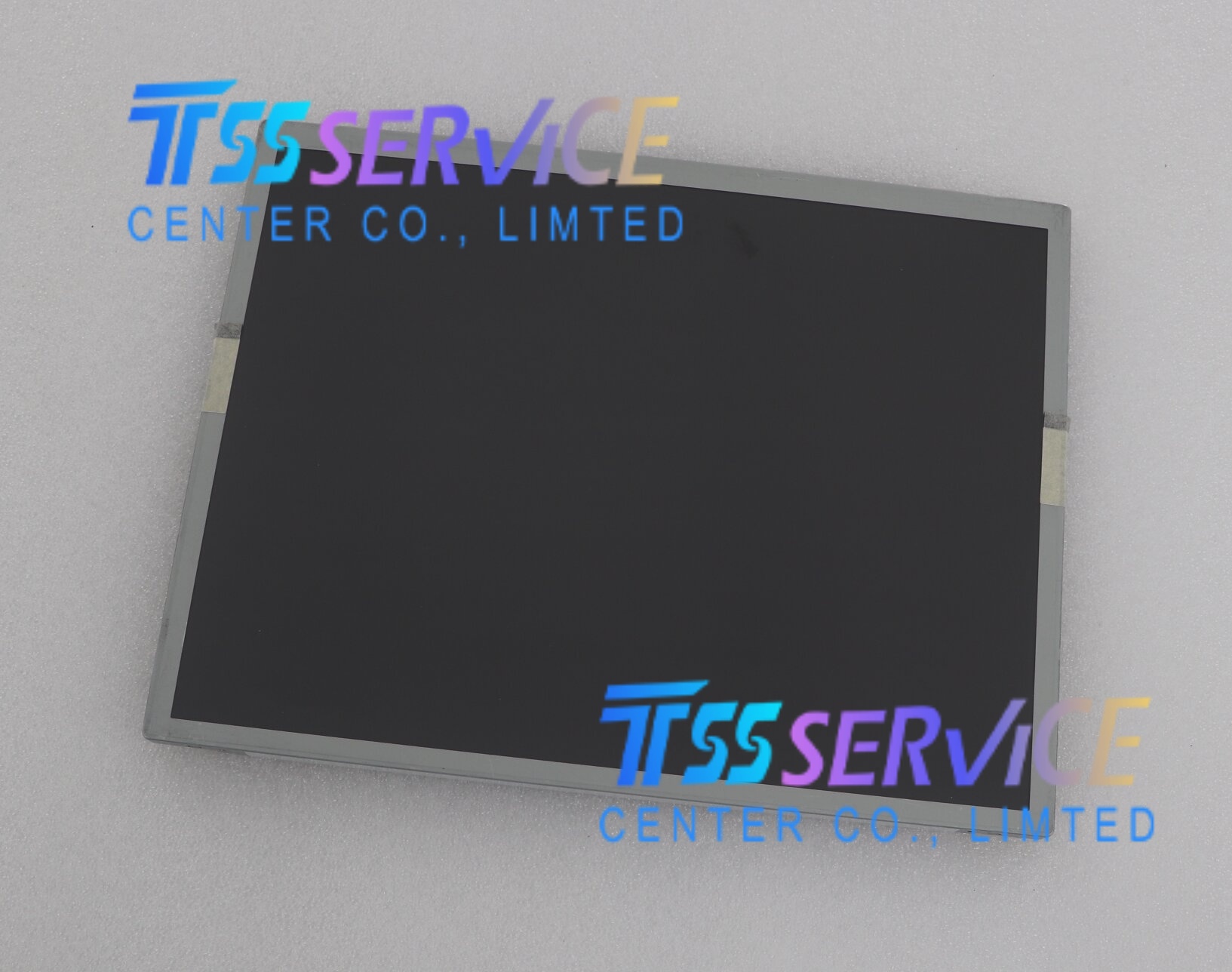
In the demanding world of industrial automation, medical instrumentation, and point-of-sale systems, the display panel is far more than a simple window to data—it is a critical interface engineered for resilience, clarity, and unwavering reliability. At the heart of such rugged applications lies a component like the Sharp LQ121S1LG75, a 12.1-inch TFT LCD panel designed to perform where standard commercial screens would falter. This article delves beyond basic specifications to explore the intrinsic engineering and application philosophy behind this industrial-grade display.
We will dissect its core visual and mechanical architecture, analyze the specific environmental and electrical robustness that defines its "industrial" classification, map its ideal application ecosystems, and finally, provide crucial guidance for system integrators. Our goal is to offer a comprehensive resource for engineers and procurement specialists seeking to understand not just what the LQ121S1LG75 is, but why its design choices matter in real-world deployment.Deconstructing the Core Visual and Mechanical Architecture
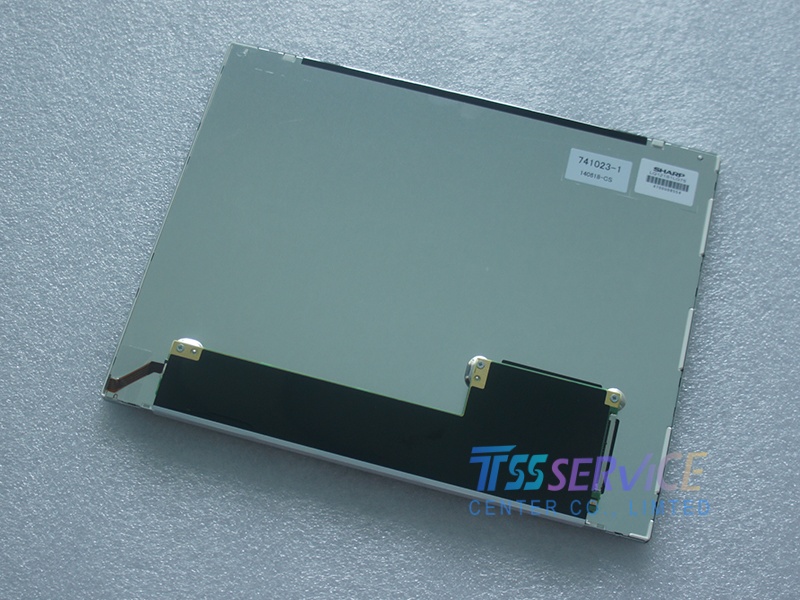
The Sharp LQ121S1LG75 is built upon a 12.1-inch diagonal active area delivering an 800 x 600 pixel (SVGA) resolution. This 4:3 aspect ratio is a strategic choice, remaining prevalent in legacy industrial machinery, medical devices, and embedded systems where screen real estate is optimized for control panels and data readouts rather than widescreen media. The panel utilizes a high-performance amorphous silicon TFT (Thin-Film Transistor) process, ensuring each pixel is actively controlled for stable image quality without ghosting.
Mechanically, the panel is constructed as a module, integrating the LCD glass, driver circuits, LED backlight unit, and a sturdy metal frame into a single, ready-to-install unit. This frame is crucial, providing structural rigidity and standardized mounting points. The surface typically features an optical treatment—such as an anti-glare coating—to mitigate reflections under harsh factory or outdoor lighting. The interface is a fundamental LVDS (Low-Voltage Differential Signaling) channel, a noise-resistant digital standard that ensures signal integrity over longer cable runs within equipment cabinets, distinguishing it from consumer panels that may rely on simpler, less robust interfaces.
The Hallmarks of Industrial-Grade Environmental Robustness
What truly separates an industrial display from its commercial counterpart is its certified endurance against operational extremes. The LQ121S1LG75 is engineered for a wide operating temperature range, typically from -30°C to +80°C. This allows functionality in unheated warehouses, next to heat-generating machinery, or in vehicular applications subject to vast thermal swings. Its storage temperature range is even wider, safeguarding the panel during shipping or dormant periods.
Robustness extends to vibration and shock resistance. The components are secured to withstand the constant hum and occasional jolts of factory floors or transportation. Furthermore, the backlight system is designed for longevity, often rated for 50,000 hours or more, minimizing downtime and maintenance costs. Electrically, the panel and its drivers are built to handle the power fluctuations and electromagnetic interference (EMI) common in industrial environments, ensuring consistent operation without introducing noise into sensitive control systems. This holistic hardening against environmental stressors is the cornerstone of its reliability promise.
Strategic Application Ecosystems and Use Case Analysis
The specific attributes of the Sharp LQ121S1LG75 make it a strategic fit for several key verticals. In Industrial Automation and HMI (Human-Machine Interface), it serves as the primary touchpoint for operators controlling PLCs, monitoring SCADA systems, or managing production lines. Its readability under bright lights and resistance to contaminants like dust and oil splash are invaluable here.
Within Medical and Healthcare Equipment, this display can be found in diagnostic devices, patient monitors, and surgical instrumentation. Its stable performance across temperature ranges, consistent color representation (often a requirement for diagnostic imaging aids), and reliable backlight are critical. Additionally, the panel finds a home in Transportation and Logistics (forklift terminals, vehicle telematics), Point-of-Sale (POS) and Kiosk systems requiring all-day operation, and Specialized Test and Measurement gear. In each case, the panel is not merely displaying information but functioning as a durable system component integral to the device's core utility
Critical Considerations for System Integration and Sourcing
Successfully integrating the LQ121S1LG75 into an end product requires attention to several technical and logistical factors. Engineers must design the host system's power supply to meet the panel's specific voltage and current requirements, often involving a dedicated power sequencer to protect the LCD during startup/shutdown. The LVDS interface necessitates proper PCB layout for impedance matching and EMI control.
From a sourcing perspective, understanding the product lifecycle is paramount. Industrial panels like this one typically have longer manufacturing and availability cycles compared to fast-cycling consumer displays, which is a benefit for long-term product support. However, it underscores the need to partner with authorized distributors or reliable suppliers who can guarantee genuine Sharp components, provide detailed technical documentation, and offer consistent supply over the product's lifespan. Verifying compatibility with intended touch screen overlays (resistive, projective capacitive) is also a key step in the design process.
In summary, the Sharp LQ121S1LG75 exemplifies the engineered precision required for mission-critical display applications, merging a legacy-optimized SVGA format with uncompromising environmental hardening. Its value lies not in pixel density, but in predictable performance under duress, serving as a reliable interface in industrial, medical, and commercial systems. For designers and integrators, selecting such a panel is an investment in product longevity and operational certainty, where the display's resilience directly contributes to the overall system's reputation for reliability. Ultimately, it represents a specialized tool, purpose-built to ensure clarity and control in the world's most challenging operational environments.


