In the demanding world of industrial automation, the human-machine interface (HMI) serves as the critical nexus between operator and machine. When a Siemens touch screen fails, it can bring a production line to a standstill, leading to costly downtime and operational headaches. The search for a reliable replacement often leads to a crossroads: an expensive OEM part or an uncertain aftermarket alternative. This article delves into a solution that aims to bridge this gap—the
TP900 AMT10430 new touch screen.
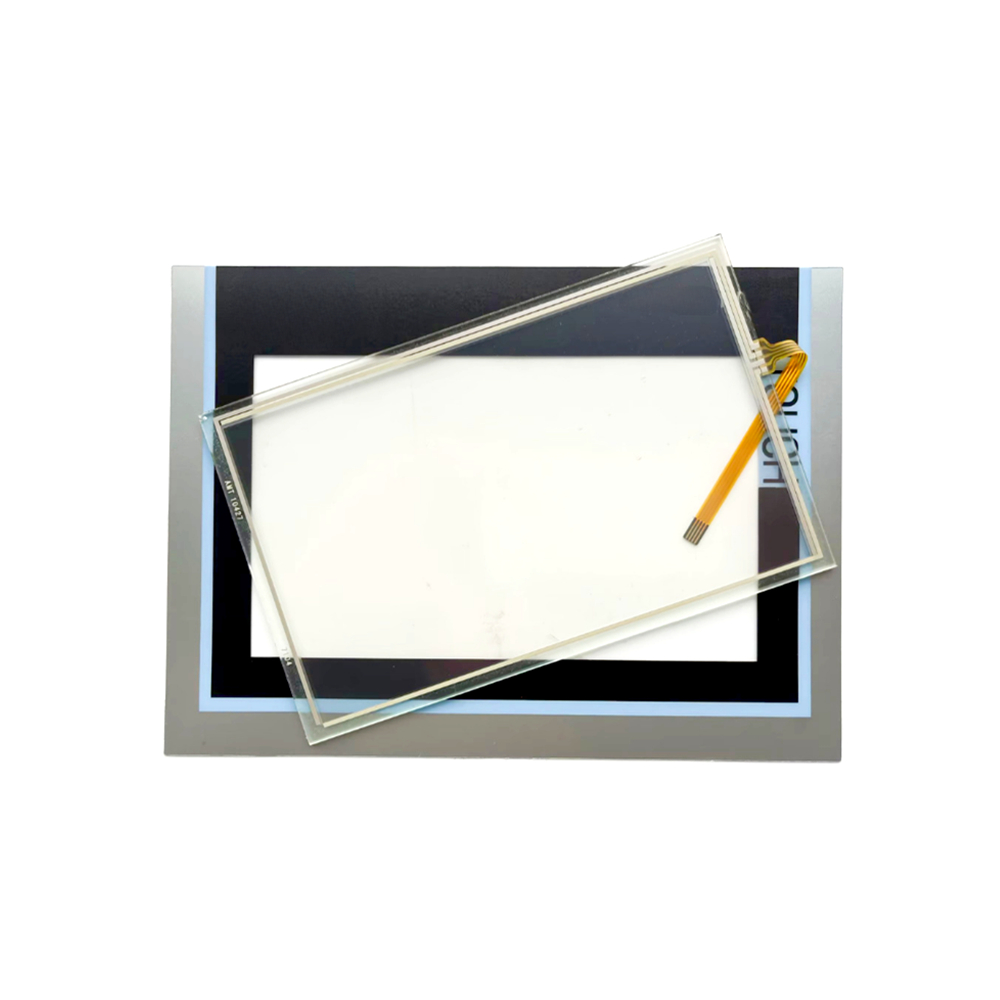
We will explore this compatible panel designed for
Siemens SIMATIC HMI systems, moving beyond basic specifications to analyze its real-world value proposition. From its technological integration and feature set to its practical impact on operational continuity and total cost of ownership, this deep dive provides plant managers, maintenance engineers, and procurement specialists with the insights needed to make an informed decision. Is the TP900 AMT10430 merely a spare part, or is it a strategic asset for modern industrial maintenance?
Engineering Precision: Seamless Integration with Siemens Ecosystems
The foremost concern with any compatible HMI panel is integration. The TP900 AMT10430 is engineered not as a generic screen but as a direct replacement for specific Siemens models, ensuring physical and functional harmony. Its design meticulously replicates the form factor, mounting points, and bezel dimensions, allowing for a drop-in installation without cabinet modifications. This precision extends to the connector interfaces, which match the original pin-for-pin, guaranteeing secure communication with the Siemens PLC backbone.
Beyond hardware, true compatibility resides in software synchronization. The panel is designed to operate with the same project files created in Siemens' TIA Portal (Totally Integrated Automation) software. Operators can expect consistent touch response, display clarity, and driver stability, meaning existing HMI applications run without the need for costly re-programming or adaptation. This seamless integration minimizes the validation and commissioning time, transforming a potential multi-day outage into a shift-long swap. The core value here is operational familiarity; technicians interact with an identical interface, preserving muscle memory and reducing the risk of operational errors during critical recovery periods.
Enhanced Performance: Beyond Basic Replacement
Positioning the TP900 AMT10430 as a mere clone undersells its potential. Modern replacement parts often leverage newer component technology to deliver performance that meets or exceeds the original specification. This panel typically features a high-brightness, wide-viewing-angle LCD with robust LED backlighting, ensuring superior visibility in varied plant lighting conditions. The projected capacitive or high-quality resistive touch technology offers improved responsiveness and durability against the wear-and-tear of constant industrial use.
Furthermore, manufacturers of such premium compatibles frequently address known pain points from the original design. This can include enhancements like strengthened glass for greater impact resistance, improved sealing against dust and liquids for a higher ingress protection (IP) rating, or upgraded thermal management components for extended lifespan in high-temperature environments. These are not just replacement features; they are proactive reliability upgrades. By choosing a part that learns from the field failure modes of its predecessor, maintenance teams aren't just restoring functionality—they are strategically upgrading their system's resilience against future failures.
The Strategic Advantage: Minimizing Downtime and Lifecycle Cost
In industrial economics, downtime is the ultimate metric of cost. The availability of the
TP900 AMT10430 from third-party suppliers often translates to significantly shorter lead times compared to lengthy OEM channels. This accessibility is a powerful strategic tool, enabling companies to implement smarter inventory strategies—such as holding a single spare unit for multiple lines—without capital being tied up in expensive OEM stock.
The financial analysis extends to the total cost of ownership (TCO). While the initial purchase price is frequently attractive, the real savings are compounded over the asset's lifecycle. The combination of a lower acquisition cost, reduced inventory carrying costs, minimized downtime expenses, and the potential for extended service life through enhanced components creates a compelling TCO narrative. This allows maintenance departments to do more with their budget, potentially safeguarding more production assets with the same financial resources. It transforms the procurement decision from a tactical parts purchase into a strategic investment in plant availability and financial efficiency.
Implementing with Confidence: Sourcing and Best Practices
Realizing the benefits of the TP900 AMT10430 hinges on confident implementation. The aftermarket landscape varies in quality, making meticulous sourcing paramount. Procurement should prioritize reputable suppliers who provide full technical specifications, clear warranty terms (often 3 years), and robust support. Certifications like ISO 9001 and detailed product testing reports are strong indicators of quality commitment.
Successful deployment follows a disciplined process:
-
Verification: Double-check the exact Siemens part number compatibility for your specific HMI device.
-
Documentation: Ensure the supplier provides comprehensive installation guides.
-
Backup: Always complete a full project and OS backup from the original HMI before replacement.
-
Testing: After installation, conduct thorough functional and stress tests under controlled conditions before returning the system to full production.
Adhering to these practices mitigates risk and ensures the replacement acts as a reliable, long-term solution, fully integrating into your maintenance workflow.
The TP900 AMT10430 new touch screen exemplifies the evolution of the industrial aftermarket from a source of cheap alternatives to a provider of strategic, value-driven solutions. It successfully balances seamless technical integration with the Siemens environment, offers performance that often enhances the original specification, and delivers tangible strategic advantages through reduced downtime and lower total cost of ownership. For organizations prioritizing operational continuity and budgetary efficiency, such compatible components are no longer just a fallback option but a smart, forward-looking component of a comprehensive asset management strategy. By choosing a high-quality replacement like the TP900 AMT10430, businesses can maintain peak productivity while exercising greater control over their maintenance economics.


