In the intricate ecosystem of modern infrastructure, highway tunnel lighting stands as a critical yet resource-intensive component. Traditional systems, operating at fixed maximum brightness, incur staggering energy costs and often fail to adapt to real-time conditions.
In the intricate ecosystem of modern infrastructure, highway tunnel lighting stands as a critical yet resource-intensive component. Traditional systems, operating at fixed maximum brightness, incur staggering energy costs and often fail to adapt to real-time conditions. This article delves into the transformative potential of the Smart Dimming LED System, an intelligent solution that dynamically auto-adjusts luminance based on live traffic flow. We will explore its sophisticated operational principles, multifaceted benefits spanning from energy conservation to enhanced safety, and its pivotal role in forging the sustainable, intelligent roadways of the future, fundamentally redefining efficiency and safety in tunnel management.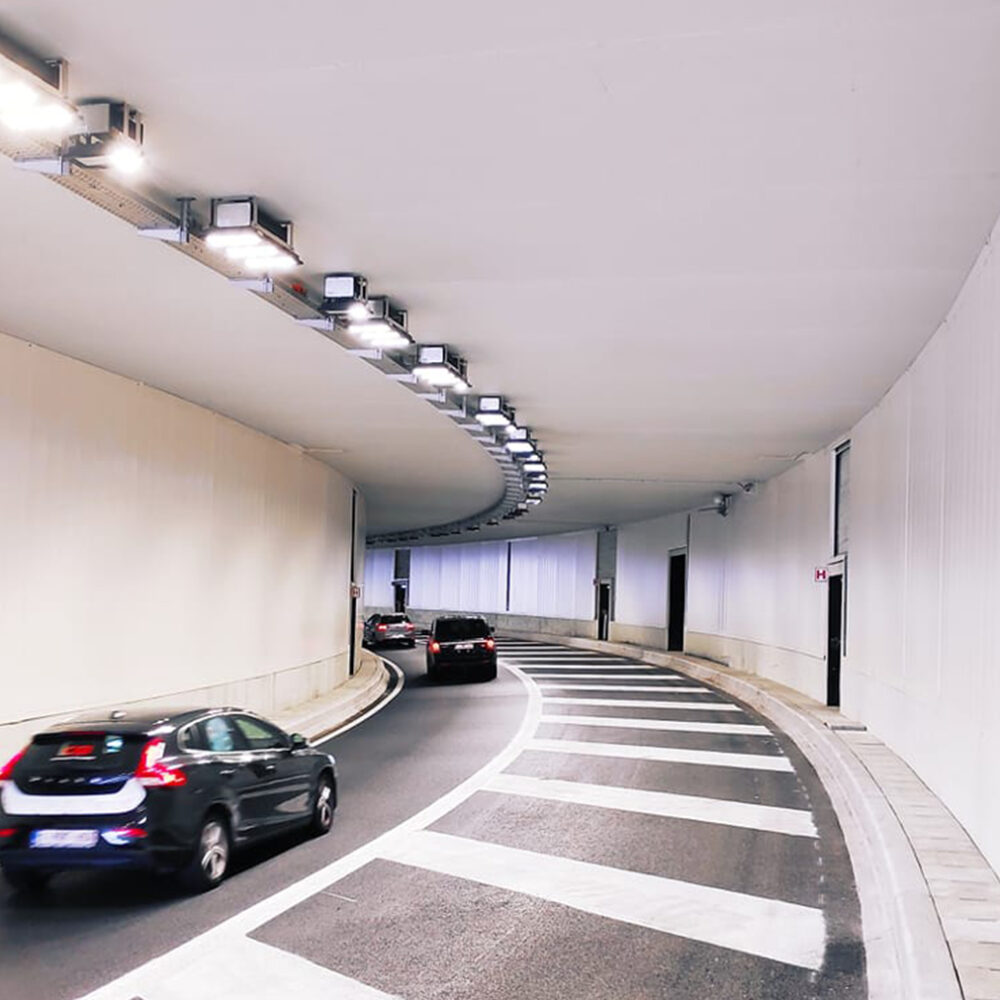
The Limitations of Static Tunnel Lighting
Conventional highway tunnel lighting is designed for the worst-case scenario: bright daylight at the tunnel entrance, requiring high-intensity illumination to help drivers' eyes adapt—a phenomenon known as adaptive luminance. However, these systems maintain near-peak brightness levels continuously, regardless of the actual time of day, weather, or traffic volume. This one-size-fits-all approach leads to profound inefficiencies. The financial burden of energy consumption is enormous, often constituting the single largest operational expense for a tunnel. Furthermore, excessive, unchanging light can create a monotonous visual environment, potentially contributing to driver fatigue. From an environmental standpoint, the constant energy draw results in a significant and unnecessary carbon footprint, making static systems increasingly untenable in an era focused on sustainability and smart resource management.
Core Technology: How Smart Dimming Works
At the heart of the Smart Dimming system lies a network of interconnected technologies functioning in harmony. The process begins with a series of vehicle detection sensors—such as radar, LiDAR, or video analytics—strategically placed at tunnel entrances and throughout the bore. These sensors collect real-time data on traffic volume, vehicle speed, and density. This data is fed into a central lighting control unit (LCU), which processes the information using predefined algorithms. The LCU then sends precise dimming commands to addressable LED luminaires along the tunnel ceiling. Unlike traditional lights, these LEDs can smoothly vary their output across a wide range (e.g., from 20% to 100% intensity). The system creates a "light bubble" that moves with traffic, ensuring optimal visibility precisely where and when it is needed, while dimming sections with no traffic to minimal safe levels.
Energy and Operational Cost Savings
The most immediate and quantifiable benefit of implementing a smart dimming system is dramatic reductions in energy use and cost. By modulating light output in direct response to traffic flow, energy consumption can typically be slashed by 40% to 60% compared to static LED systems, and even more against older HID solutions. This is not merely a theoretical saving; it translates directly to lower electricity bills and a rapid return on investment (ROI). The extended lifespan of LEDs, which degrades more slowly when operated at lower average intensities, further reduces long-term maintenance and replacement costs. For tunnel operators and public authorities, this transforms tunnel lighting from a major cost center into a manageable, efficient asset, freeing up budgets for other critical infrastructure projects and maintenance.
Enhancing Driver Safety and Visual Comfort
Beyond economics, smart dimming profoundly improves the safety and psychological experience of tunnel transit. A static, glaring light can cause "white wall" effect at the entrance and a potentially disorienting transition. The intelligent system can pre-emptively ramp up lighting at the threshold based on approaching vehicle data, creating a smoother, more natural adaptation zone. Inside the tunnel, consistent, adequate illumination around moving vehicles prevents shadow zones and improves contrast, allowing drivers to better perceive road contours and potential obstacles. The reduction of stark contrasts between lit and unlit areas minimizes visual stress and fatigue on long journeys. This adaptive approach ensures that safety-critical visibility is always maintained, arguably providing a superior safety profile to the wasteful "always-on" method.
Integration with Broader Smart Infrastructure
A Smart Dimming LED System rarely operates in isolation; it is a cornerstone of a comprehensive Intelligent Transportation System (ITS). The same sensor network that guides lighting can integrate with traffic management centers, providing valuable data on congestion, incident detection (like a stalled vehicle), and average speeds. In emergency scenarios, the lighting system can work in concert with ventilation and signage: flashing lights can guide drivers during an evacuation, or specific zones can be brightly illuminated to assist first responders. This interoperability turns the tunnel from a passive conduit into an active, communicative part of the road network, enhancing overall resilience, operational coordination, and data-driven decision-making for city and highway planners.
Sustainability and Environmental Impact
The environmental imperative of this technology is compelling. The massive reduction in energy consumption directly correlates to lower greenhouse gas emissions from power plants, contributing to regional and national carbon reduction targets. Furthermore, the long-life cycle of LEDs, coupled with reduced energy demand, diminishes the resource extraction and waste associated with frequent lamp replacements and high electricity generation. By implementing a smart dimming system, infrastructure projects align with global Environmental, Social, and Governance (ESG) principles. It represents a tangible step toward green infrastructure, demonstrating a commitment to sustainable public spending and responsible stewardship of environmental resources, which is increasingly important for securing funding and public support.
The Smart Dimming LED System represents a paradigm shift in tunnel infrastructure, moving from wasteful illumination to intelligent, responsive visibility. By seamlessly marrying sensor data with adaptive LED technology, it delivers unparalleled efficiency, cutting operational costs by half while simultaneously elevating safety standards and driver comfort. Its true power is unlocked through integration, acting as a sensory node within a broader smart city ecosystem. Ultimately, this technology is not merely an upgrade to lighting; it is a foundational investment in sustainable, resilient, and intelligent transportation networks for the 21st century, where infrastructure actively adapts to serve both people and the planet.


