In the intricate world of industrial maintenance and device repair, the availability of a single, specific component can mean the difference between a system's seamless operation and costly downtime. Today, we delve into a critical display solution that serves as the visual interface for a range of Hitachi equipment
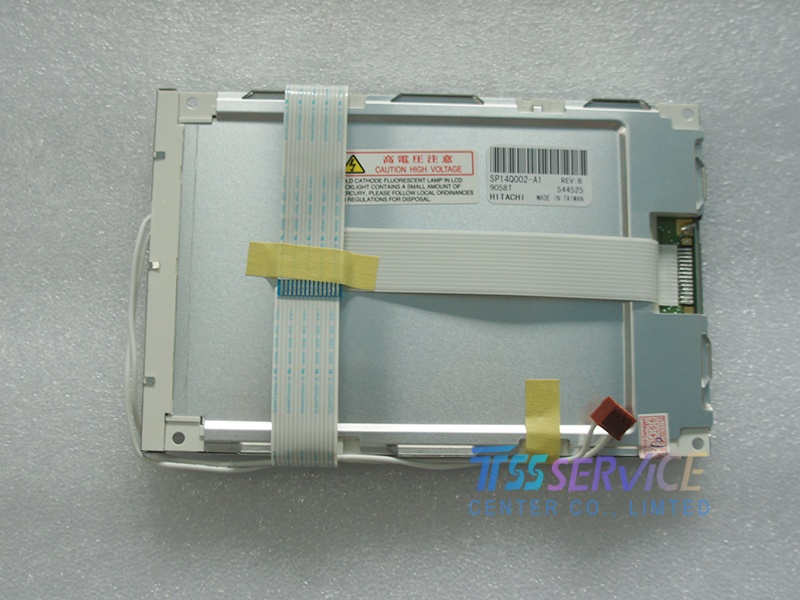
In the intricate world of industrial maintenance and device repair, the availability of a single, specific component can mean the difference between a system's seamless operation and costly downtime. Today, we delve into a critical display solution that serves as the visual interface for a range of Hitachi equipment. Our focus is the SP14Q002-A1, a 5.7-inch monochrome LCD module with a 320x240 pixel resolution, built on FSTN technology and currently in stock for immediate deployment.
This article is designed for procurement specialists, engineers, and technical buyers who understand that a direct replacement part is more than just a purchase—it's an investment in continuity. We will explore not just the specifications of this LCD, but its intrinsic value in sustaining legacy systems, the technical advantages of its design, and the strategic importance of its ready availability. Understanding the "why" behind this component is as crucial as knowing its part number.
Decoding the SP14Q002-A1: More Than Just a Part Number
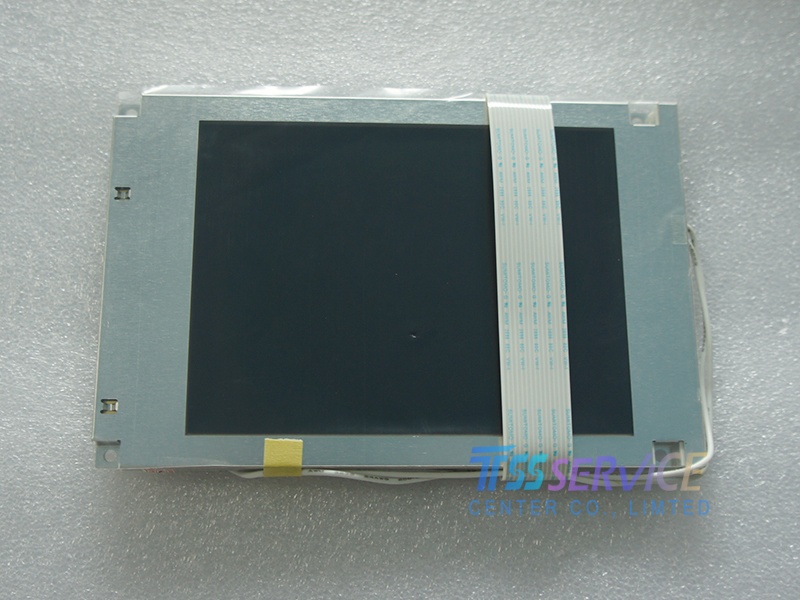
The alphanumeric string SP14Q002-A1 is a precise technical identifier. Breaking it down reveals its core identity: a 5.7-inch diagonal screen with a 320 x 240 pixel (QVGA) resolution. The key differentiator is its FSTN (Film Compensated Super Twisted Nematic) construction. Unlike simpler TN displays, FSTN technology incorporates a retardation film, which dramatically improves contrast and viewing angle. This results in a crisp, high-contrast monochrome image that remains readable from wider angles and in various lighting conditions—a non-negotiable requirement for industrial panels and instrumentation.
This module is explicitly engineered for Hitachi systems, meaning its electrical interface, mounting footprint, and backlight solution are designed as a form-fit-functional replacement for original components. Its "A1" revision likely indicates specific firmware or connector updates, ensuring compatibility with targeted device families. Choosing this exact match guarantees not just physical installation, but full electrical and functional integration, preserving the intended user experience and system reliability.
The Enduring Relevance of Monochrome Displays in a Color World
In an era dominated by vibrant full-color touchscreens, the persistence of monochrome LCDs like the SP14Q002-A1 might seem anachronistic. However, their continued use is a testament to deliberate, sound engineering principles. For many industrial, medical, and instrumentation applications, the primary requirement is clarity, reliability, and legibility under all conditions. Monochrome FSTN displays excel here, offering superior sunlight readability, lower power consumption, and longer lifespan compared to many color TFTs.
Furthermore, these displays often serve as the interface for legacy systems that form the backbone of critical operations. Rewriting software and redesigning control systems for a new display is prohibitively expensive and risky. The strategic value of the SP14Q002-A1 lies in its role as a life-extending component, allowing enterprises to maintain and repair essential Hitachi equipment for years, even decades, beyond the original production cycle, thereby protecting capital investment and ensuring operational stability.
Strategic Advantages of "IN STOCK" Status for Critical Components
The phrase "IN STOCK" associated with the SP14Q002-A1 carries immense operational and financial weight. For maintenance managers, it transforms a potential crisis into a manageable task. Immediate availability means:
-
Minimized Downtime: Equipment can be restored to service in days, not weeks or months.
-
Predictable Budgeting: No surprise expediting fees or price fluctuations from scarcity.
-
Supply Chain Resilience: Reduces dependency on uncertain long-lead-time orders and complex logistics.
Procuring from a supplier that holds this niche component in stock indicates a deep specialization in industrial display solutions. It represents a partnership where the supplier shares the burden of inventory management for critical, low-volume parts. This readiness is a direct contributor to a company's overall equipment effectiveness (OEE), turning component sourcing from a procurement activity into a strategic reliability function.
Integration and Sourcing: Ensuring a Successful Replacement
Successfully implementing the SP14Q002-A1 requires more than just placing an order. A methodical approach is essential. First, verify the exact failure and match the module using the full part number, checking connector type, backlight (often CCFL or LED), and voltage requirements against the original. When installing, employ proper electrostatic discharge (ESD) precautions, as LCDs are highly sensitive components.
Sourcing should be directed towards authorized or highly specialized distributors with proven expertise in display technologies. They provide not only the genuine part but also technical data sheets and support. Be wary of generic "equivalent" parts that may compromise on viewing angle, temperature range, or interface timing. The goal is a seamless, invisible replacement that returns the Hitachi equipment to its original specification, ensuring the operator interacts with a familiar, reliable interface for years to come.
In conclusion, the SP14Q002-A1 5.7" FSTN LCD is a specialized component that embodies the critical intersection of precise engineering, legacy system support, and smart supply chain strategy. Its technical design offers unmatched clarity for monochrome applications, while its in-stock status provides a tangible business advantage by mitigating downtime risks. Ultimately, selecting this exact-match display is a decision that prioritizes long-term system integrity and operational continuity, proving that the right component, available at the right time, is a cornerstone of sustainable industrial maintenance.


