In the demanding world of industrial automation, medical equipment, and ruggedized point-of-sale systems, the display panel is far more than a simple window to data—it is a critical interface that must withstand extreme conditions while delivering unwavering reliability.
In the demanding world of industrial automation, medical equipment, and ruggedized point-of-sale systems, the display panel is far more than a simple window to data—it is a critical interface that must withstand extreme conditions while delivering unwavering reliability. The selection of this component can directly impact system uptime, operator efficiency, and total cost of ownership. This article provides an in-depth exploration of the TIANMA P1210WXF1MB00, a 12.1-inch LCD panel engineered specifically for these challenging environments. We will move beyond basic specifications to analyze how its design philosophy translates into tangible performance benefits, examining its core technological advantages, robust construction, and the pivotal role it plays in enabling next-generation industrial applications.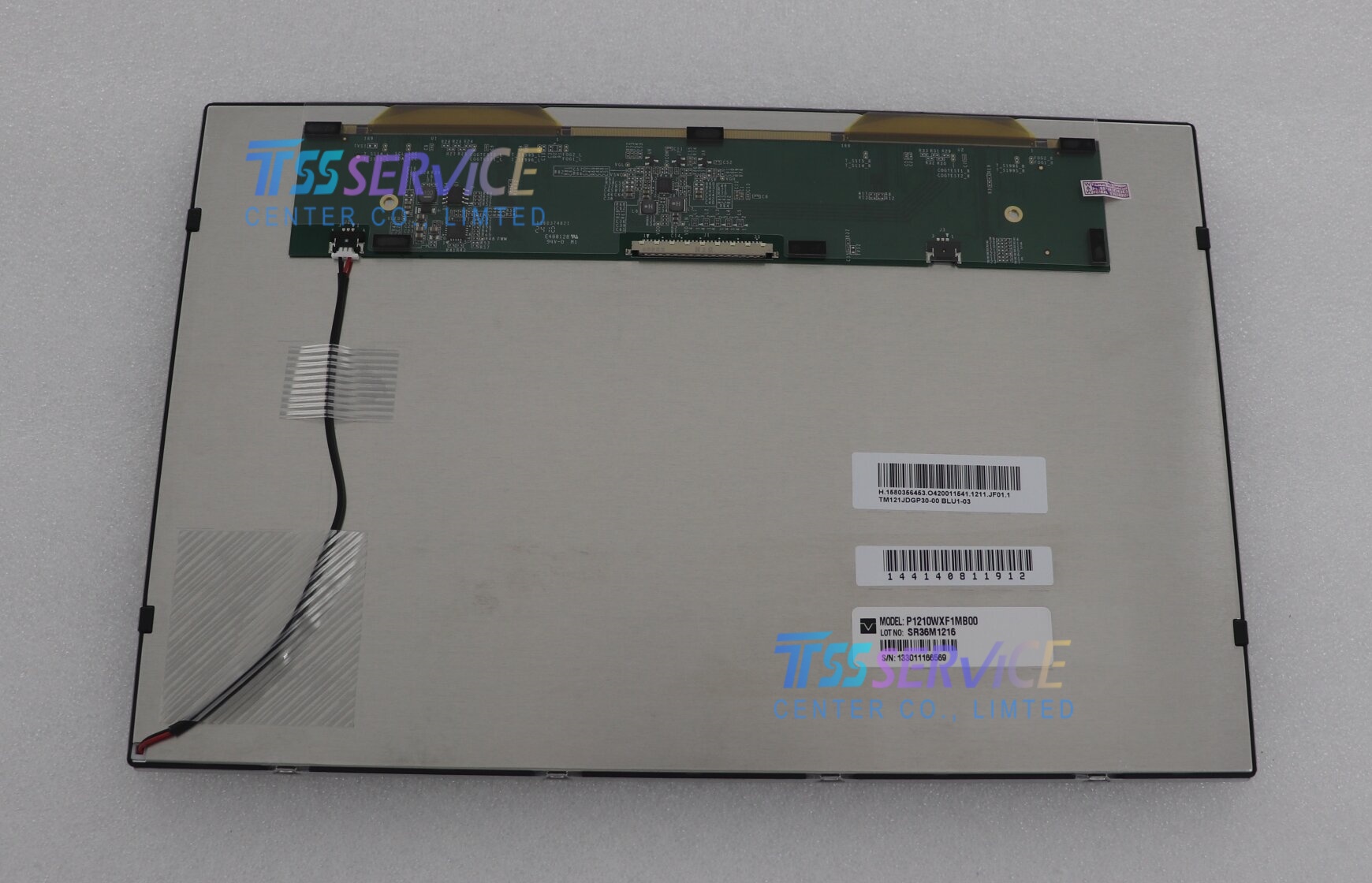
Unpacking the Core Technology: A Display Built for Precision
At the heart of the TIANMA P1210WXF1MB00 lies a 12.1-inch diagonal TFT LCD with a resolution of 1280x800 (WXGA). This aspect ratio and pixel density offer a balanced workspace for complex human-machine interface (HMI) graphics, diagnostic readouts, and multi-window applications. The panel utilizes In-Plane Switching (IPS) technology, a critical differentiator for industrial use. Unlike conventional TN panels, IPS provides exceptionally wide viewing angles—typically 85/85/85/85 degrees—ensuring color consistency and image clarity from virtually any vantage point. This is indispensable in control panels mounted at various heights or in medical carts viewed by multiple practitioners.
Furthermore, the display boasts a high brightness level of typically 1000 nits, enabling clear visibility even under direct sunlight or in brightly lit factory settings. Combined with a high contrast ratio, this ensures that critical information, fine lines on schematics, and alarm indicators are always legible. The integration of a robust LED backlight system not only contributes to this luminance but also promises long life and consistent output, reducing the need for frequent calibration or replacement.
Engineered for Endurance: Ruggedization and Reliability
Specifications on a datasheet are one thing; surviving real-world industrial punishment is another. The P1210WXF1MB00 is architected for endurance. It operates reliably across an extended temperature range, often from -30°C to 80°C, ensuring functionality in unheated warehouses or near high-temperature machinery. Its construction is designed to resist the constant threat of vibration and shock, common in transportation and manufacturing lines, which can quickly degrade lesser displays.
Perhaps most notably, the panel features a robust metal frame and often incorporates hard-coated surface treatments. This physical fortification protects the delicate LCD cells from mechanical stress and torsion. The enhanced surface mitigates scratches, abrasions, and chemical exposure from cleaning agents or incidental spills. This focus on ruggedization directly translates to reduced downtime, lower maintenance costs, and a longer operational lifespan, making it a strategically sound investment compared to commercial-grade displays.
Optimized for Integration: Interface and Signal Integrity
A superior panel is useless if it cannot be seamlessly integrated into a larger system. The TIANMA P1210WXF1MB00 excels here by offering a Low-Voltage Differential Signaling (LVDS) interface. LVDS remains the industry-standard digital interface for industrial displays due to its robustness against electromagnetic interference (EMI)—a pervasive challenge in environments crowded with motors, relays, and wireless devices. This ensures a stable, noise-free image transmission over longer cable runs within an enclosure.
Designers will appreciate the panel's comprehensive input voltage range and the inclusion of a standard control board (driver board) that simplifies power and signal management. The mechanical design, including precise mounting hole patterns, is standardized for easy replacement and integration into existing chassis. This plug-and-play compatibility, backed by long-term supply guarantees typical of industrial components, significantly de-risks product development and lifecycle management for OEMs.
The Application Spectrum: From Factory Floors to Medical Carts
The true test of an industrial component is its versatility across sectors. The P1210WXF1MB00 finds its purpose in a multitude of critical applications. On the factory floor, it serves as the resilient face of PLC-controlled HMIs, robotic control stations, and test/measurement equipment, where 24/7 operation is mandatory. In transportation and logistics, it powers in-vehicle terminals, forklift displays, and automated kiosks, enduring constant jostling and temperature swings.
The medical field presents a unique set of demands, combining the need for clinical visual accuracy with stringent hygiene protocols. This display is an ideal candidate for patient monitoring systems, diagnostic ultrasound carts, and surgical information displays. Its wide viewing angles facilitate team collaboration, high brightness ensures readability in varied lighting, and its ruggedized surface allows for frequent disinfection. This cross-industry applicability underscores its design success as a foundational building block for reliable human-machine interaction.
In conclusion, the TIANMA P1210WXF1MB00 12.1-inch LCD panel exemplifies the convergence of visual performance, physical resilience, and integration-friendly design required for modern industrial applications. Its IPS technology, high-brightness output, extended temperature tolerance, and robust construction are not just features but essential responses to real-world operational challenges. By choosing a display engineered to this standard, system integrators and OEMs invest in enhanced product reliability, reduced lifecycle costs, and ultimately, the creation of more dependable and efficient technological solutions for the most demanding environments.


