In the intricate world of embedded systems and human-machine interfaces (HMI), the display module serves as the critical bridge between user and machine. Selecting the right component is paramount, as it directly impacts usability, reliability
In the intricate world of embedded systems and human-machine interfaces (HMI), the display module serves as the critical bridge between user and machine. Selecting the right component is paramount, as it directly impacts usability, reliability, and the overall success of a product. This article provides a deep-dive analysis of the TM050RBH01-00, a 5.0-inch LCD display module with integrated touch panel from the renowned manufacturer TIANMA.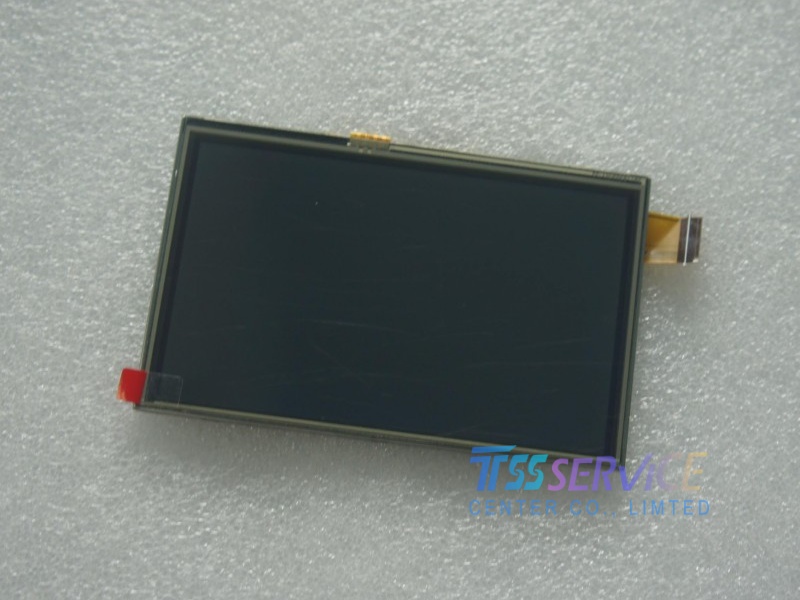
We will move beyond basic datasheet specifications to explore the strategic advantages and technical nuances of this module. Our discussion will cover its core visual and tactile performance, its design philosophy for seamless integration, its robustness in challenging environments, and its ideal application scenarios. This comprehensive guide aims to equip engineers, product designers, and procurement specialists withthe insights needed to evaluate whether this display is the optimal visual interface for their next-generation embedded project.
Unpacking Core Performance: Visual Clarity and Touch Responsiveness
At the heart of the TM050RBH01-00 lies a balanced specification set engineered for functional clarity. The 5.0-inch diagonal size offers a substantial canvas for information display while maintaining a compact form factor suitable for portable or space-constrained devices. Its 800 x 480 pixel resolution (WVGA) delivers a sharp pixel density, ensuring text is legible and graphics are defined without excessive power draw associated with higher-resolution panels.
The integrated resistive touch panel is a defining feature. While capacitive touch is prevalent in consumer smartphones, resistive technology offers distinct advantages in industrial and medical contexts. It can be operated with a stylus, gloved hand, or any blunt object, providing unmatched flexibility. The module ensures reliable touch registration, which is critical for applications where precise menu selection or data input is required. This combination of a bright, clear TFT LCD and a universally compatible touch layer forms a dependable foundation for user interaction.
Engineered for Integration: Design and Interface Considerations
A display module does not operate in isolation; its value is fully realized in how easily it integrates into a larger system. The TM050RBH01-00 excels here through a thoughtful design philosophy. It utilizes a standard RGB interface, a parallel protocol widely supported by mainstream microprocessors (MPUs) and application processors. This universality simplifies driver development and reduces time-to-market.
Physically, the module is designed as a compact, self-contained unit. The LCD, driver IC, backlight, and touch panel are laminated into a single assembly. This "all-in-one" approach significantly reduces the engineering burden on the OEM, eliminating the need to source and align separate components. Designers can focus on the enclosure and user experience, trusting that the display subsystem is a reliable, pre-validated block. The inclusion of mounting holes further facilitates secure and straightforward mechanical installation.
Built to Endure: Reliability in Demanding Environments
For products destined for factory floors, outdoor kiosks, or medical equipment, operational resilience is non-negotiable. The TM050RBH01-00 is built with these challenges in mind. It typically features an operating temperature range of -20°C to 70°C, ensuring stable performance from freezing cold to intense heat. The solid construction and robust connector system provide resistance to vibration and shock, common in automotive or mobile applications.
The resistive touch panel, again, proves advantageous. It is less susceptible to interference from water or moisture on the screen compared to capacitive solutions. Furthermore, the front surface can be fitted with a durable polycarbonate or glass overlay, offering scratch resistance and protection against chemical spills. This inherent ruggedness, combined with TIANMA's reputation for quality manufacturing and long-term supply stability, makes this module a low-risk choice for products with extended lifecycles and stringent reliability requirements.
Strategic Application Domains: Where This Display Excels
Understanding its technical profile allows us to pinpoint the ideal applications for the TM050RBH01-00. Its strengths align perfectly with industrial automation, medical devices, and point-of-sale/information systems.
-
Industrial HMIs: For controlling PLCs, monitoring sensors, or operating machinery, its glove-friendly touch, wide temperature tolerance, and clear visibility under various lighting conditions are indispensable.
-
Medical Diagnostics: In devices like portable monitors or diagnostic equipment, the ability to be operated with precision (via stylus) and sanitized easily makes it a preferred choice.
-
Commercial & Retail: Its cost-effectiveness and reliability suit it for self-service kiosks, payment terminals, and information displays where constant public interaction demands durability.
It is less suited for consumer gadgets prioritizing ultra-slim form factors, multi-touch gestures, or the highest color saturation. Its value proposition is rooted in professional-grade durability and functional performance.
In conclusion, the TIANMA TM050RBH01-00 5.0-inch display module stands as a robust and pragmatic solution for professional embedded applications. It successfully marries adequate visual performance with the unparalleled operational flexibility of resistive touch, all packaged for straightforward system integration. Its true competitive edge lies in its proven reliability across a wide spectrum of demanding environmental conditions. For engineers developing industrial, medical, or commercial devices where dependability, compatibility, and cost-of-ownership are critical, this module represents a strategically sound and technically competent choice for the human-machine interface.


