In the demanding world of industrial technology, the choice of a display panel is far from a simple component selection—it is a critical decision impacting system reliability, performance, and longevity. The TIANMA 7-inch TM070JDHG34-00 LCD Panel emerges as a purpose-built solution designed to thrive where commercial screens would falter.
In the demanding world of industrial technology, the choice of a display panel is far from a simple component selection—it is a critical decision impacting system reliability, performance, and longevity. The TIANMA 7-inch TM070JDHG34-00 LCD Panel emerges as a purpose-built solution designed to thrive where commercial screens would falter. This article delves into a comprehensive analysis of this industrial-grade display, moving beyond basic specifications to explore the engineering philosophy behind its design.
We will examine its core technological strengths, the specific environmental and electrical challenges it is built to overcome, and its practical integration into real-world industrial systems. By understanding the nuanced advantages of panels like the TM070JDHG34-00, engineers, system integrators, and procurement specialists can make informed decisions that enhance the robustness and dependability of their applications.
Engineering for Extreme Conditions: Core Architecture and Durability
The TIANMA TM070JDHG34-00 is fundamentally architected for endurance. At its heart lies a 7-inch diagonal TFT LCD with a resolution of 1024 x 600 (WSVGA), providing a clear and adequate pixel density for most industrial human-machine interface (HMI) and instrumentation applications. Unlike consumer displays, its construction prioritizes resilience. The panel typically incorporates a robust metal frame and strengthened glass to resist vibration, shock, and physical stress common in factory floors, transportation, or outdoor settings.
Furthermore, the display is engineered to operate across an extended temperature range, often from -30°C to +80°C for storage and a wide operational window. This ensures performance stability in environments ranging from freezing cold storage facilities to hot machinery enclosures. The backlight system, often utilizing long-life LEDs, is calibrated for consistent brightness and longevity, resisting the dimming or color shift that can plague lesser panels under continuous operation. This foundational focus on physical and thermal durability transforms the display from a fragile interface into a reliable system component.
Optical Performance Tailored for Industrial Readability
In industrial environments, readability under diverse lighting conditions is non-negotiable. The TM070JDHG34-00 addresses this through specialized optical characteristics. It boasts a high brightness specification, frequently reaching 1000 nits or more, which effectively combats washout from direct sunlight or bright ambient light in warehouses. Conversely, for low-light control rooms, it offers excellent dimming capabilities without loss of grayscale integrity.
The panel also features a wide viewing angle, often utilizing In-Plane Switching (IPS) or similar technology, which ensures color and contrast remain consistent for operators viewing from off-center positions. This is crucial for panels mounted in awkward locations or viewed by multiple personnel. Additionally, options for optical bonding—where the touchscreen (if present) is laminated directly to the LCD cell—are a key differentiator. This process reduces internal reflection, enhances contrast in bright light, prevents condensation between layers, and creates a more mechanically solid front surface, directly tackling the glare and physical hazards of industrial settings.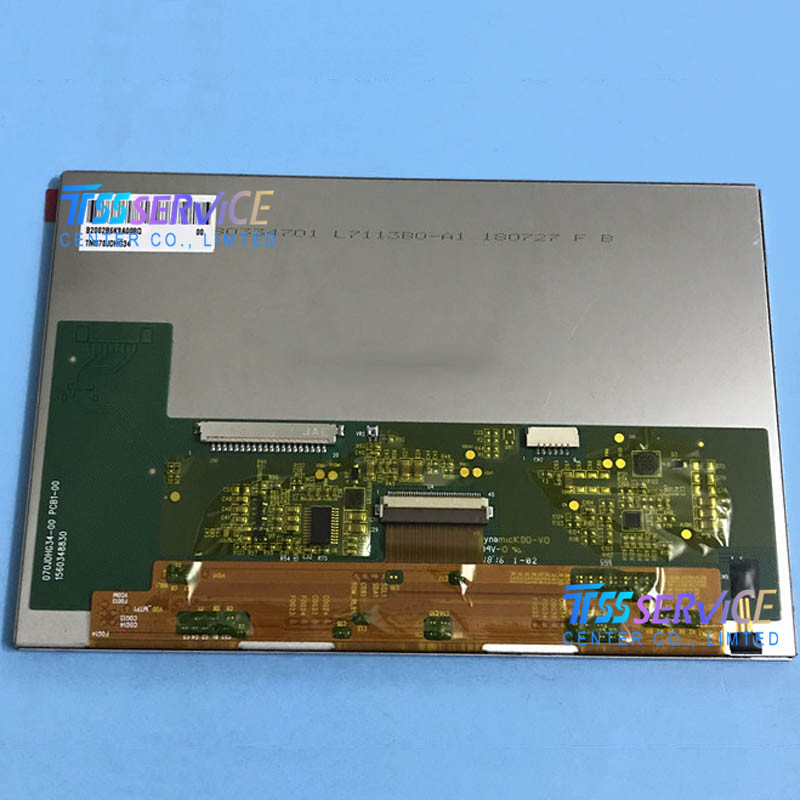
Electrical Robustness and Signal Integrity
The reliability of an industrial display extends into the electrical domain, where the TM070JDHG34-00 demonstrates its engineered superiority. It is designed to withstand the electrical noise, power fluctuations, and electromagnetic interference (EMI) endemic to industrial plants. This involves careful PCB layout, high-quality components rated for industrial temperature ranges, and often integrated power conditioning or protection circuits.
Signal input compatibility is another critical facet. This panel typically supports standard LVDS interfaces, known for their robustness and noise resistance over longer cable runs compared to consumer-level interfaces like HDMI. Its design ensures stable signal transmission even in electrically noisy environments, preventing screen flicker, artifacts, or data corruption. This electrical fortification ensures the display acts as a dependable endpoint in a complex control system, not a point of failure susceptible to the harsh realities of industrial power and signal lines.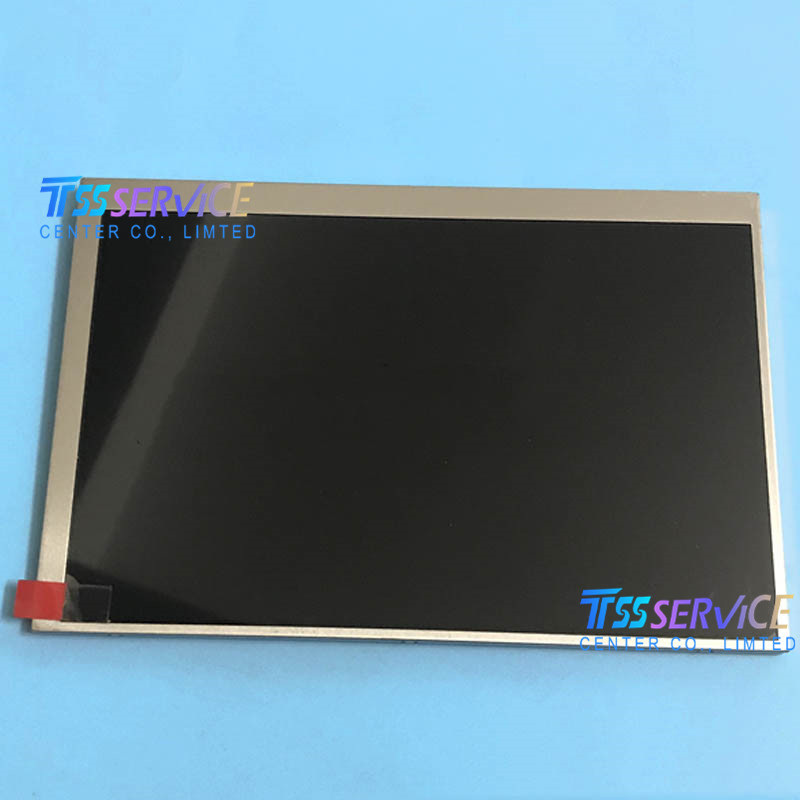
Integration and Long-Term Application Value
The ultimate test of an industrial component is its seamless integration and lifecycle cost. The TIANMA TM070JDHG34-00 excels here through design consistency and long-term support. Its mechanical dimensions and mounting patterns are standardized, allowing for straightforward replacement or upgrade within existing chassis. For integrators, the availability of a comprehensive technical dossier—including detailed mechanical drawings, electrical schematics, and timing specifications—is invaluable for precise system design.
Beyond initial integration, the panel's value is proven through its extended product lifecycle. Unlike consumer displays that may be discontinued within a year, industrial-grade panels like this are typically manufactured and available for many years. This guarantees supply continuity for multi-year projects and legacy system maintenance, reducing total cost of ownership and mitigating the risk of costly system redesigns due to component obsolescence. Choosing such a panel is not just a purchase; it's a strategic decision for sustainable project development.
In conclusion, the TIANMA 7-inch TM070JDHG34-00 LCD panel exemplifies the critical intersection of specialized engineering and practical application needs in the industrial sector. Its value is derived not from consumer-oriented features, but from its foundational durability, superior readability in challenging environments, electrical robustness, and design integrity that supports long-term system viability. For professionals developing HMIs, medical devices, transportation systems, or ruggedized equipment, selecting a component of this caliber is an investment in ultimate system reliability and performance. It stands as a testament to the principle that in industrial design, the right foundational components are the bedrock upon which dependable technology is built.


