In the intricate world of electronic components, the display module often serves as the critical interface between a device and its user. Among the myriad of options available, the 9.7" 1024x768 AVIC TFT-LCD Display Module TM097TDH01-40 stands out as a notable solution for industrial
In the intricate world of electronic components, the display module often serves as the critical interface between a device and its user. Among the myriad of options available, the 9.7" 1024x768 AVIC TFT-LCD Display Module TM097TDH01-40 stands out as a notable solution for industrial, medical, and specialized commercial applications. This article delves deep into this specific module, moving beyond basic specifications to explore its architectural significance, performance characteristics, and the unique value proposition it offers to engineers and product designers.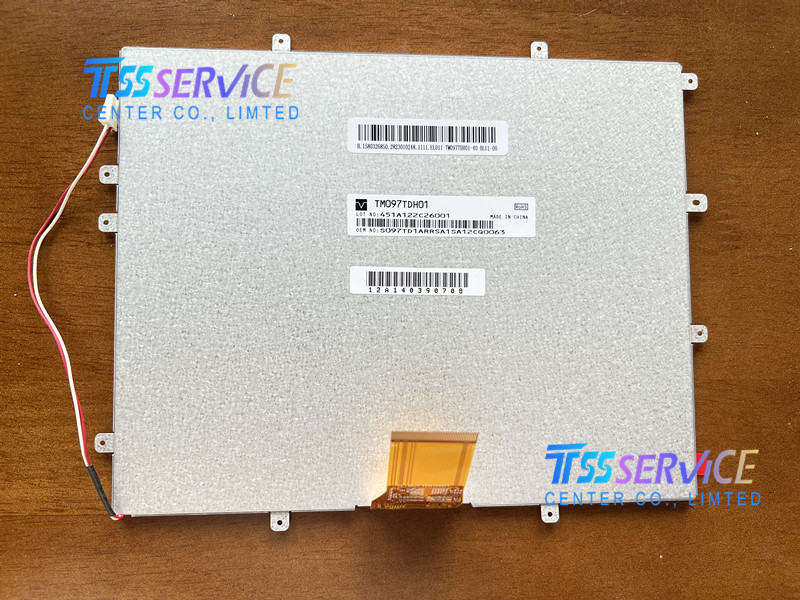
We will dissect its core technology, analyze its optical and electrical performance, and contextualize its role within competitive market landscapes. The goal is to provide a comprehensive resource that informs strategic decision-making for integration projects where reliability, clarity, and durability are non-negotiable.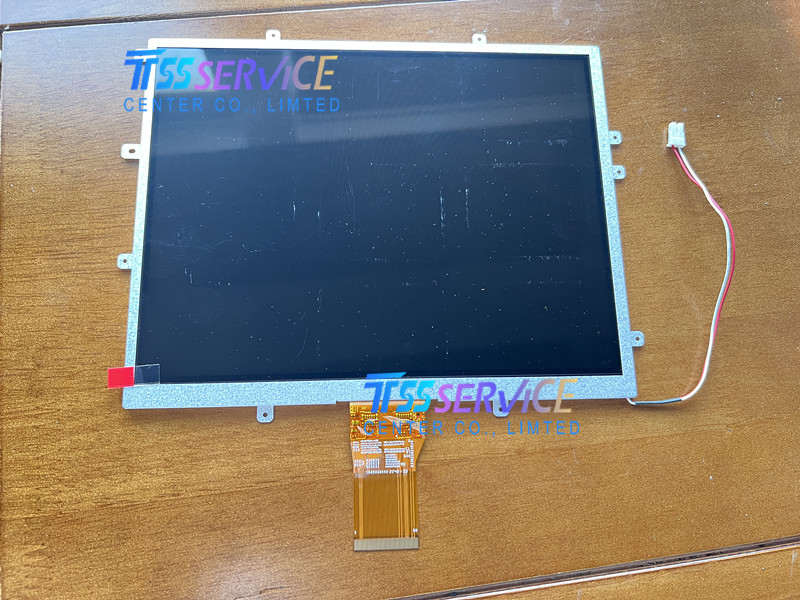
Deconstructing the Architecture: Core Technology of the TM097TDH01-40
At its heart, the TM097TDH01-40 is built upon a TFT-LCD (Thin-Film Transistor Liquid Crystal Display) panel with an In-Plane Switching (IPS) or equivalent advanced technology. This foundational choice is crucial. Unlike older Twisted Nematic (TN) panels, IPS technology provides the module with its most defining characteristic: exceptional, wide viewing angles. The 1024 x 768 pixel resolution on a 9.7-inch diagonal translates to a 4:3 aspect ratio and a pixel density of approximately 132 PPI. This XGA resolution and aspect ratio are not arbitrary; they are hallmarks of legacy systems and specialized equipment where screen real estate for data presentation and compatibility with existing software frameworks are paramount.
The module is a complete system, integrating the LCD panel, driver ICs, a robust LED backlight unit, and often a touch panel interface (typically resistive or capacitive, depending on the variant). The "40" in its part number frequently denotes a 40-pin LVDS (Low-Voltage Differential Signaling) interface, which is the industry standard for transmitting high-speed video data with minimal noise interference. This architectural cohesion ensures that the module functions as a reliable, drop-in component for system integrators, reducing development complexity.
Optical and Electrical Performance: A Benchmark of Clarity and Stability
Performance metrics transform technical specifications into tangible user experience. The optical performance of this module is defined by several key parameters. Its brightness, typically ranging from 300 to 500 nits, ensures readability in various ambient lighting conditions, from dimly lit laboratories to factory floors. The high contrast ratio delivers deep blacks and bright whites, critical for displaying detailed graphics, diagnostic images, or intricate user interface elements.
Electrically, the module is designed for stability and integration ease. It operates on a single power supply voltage, often 3.3V or 5V, simplifying power management design. The LVDS interface not only ensures signal integrity over longer cable runs within a device but also contributes to lower electromagnetic interference (EMI)—a vital consideration for medical and measurement equipment requiring certification. Furthermore, the module's operating temperature range is engineered for resilience, reliably functioning in environments where consumer-grade displays would falter, thereby underscoring its industrial pedigree.
Strategic Application Domains: Where This Module Excels
The specific combination of form factor, resolution, and ruggedness dictates the TM097TDH01-40's ideal application domains. Its 4:3 aspect ratio makes it a perfect fit for legacy and modernized industrial human-machine interfaces (HMIs), control panels, and test/measurement equipment where information is often arranged in portrait-oriented lists or square diagnostic windows.
In the medical field, this display is frequently found in portable diagnostic devices, patient monitoring systems, and smaller ultrasound units. The resolution is sufficient for clear representation of waveforms and certain imaging, while the viewing angles allow medical professionals to consult the screen from various positions. Other significant applications include point-of-sale (POS) systems, transportation infotainment, and specialized kiosks, where the balance of size, durability, and cost-effectiveness is key. It is not targeted at consumer multimedia but at professional tools where function unequivocally trumps form.
Competitive Landscape and Integration Considerations
Positioning the TM097TDH01-40 within the market reveals its strategic niche. It competes not with high-resolution smartphone displays but with other industrial-grade modules from manufacturers like Innolux, AUO, and BOE. Its value proposition lies in its proven reliability, long-term availability typical of industrial components, and the specific 9.7" XGA format, which remains a standard in many industries.
For engineers considering integration, several factors are critical. First is long-term supply chain stability—ensuring the module will be available for the lifespan of the product being designed. Second, understanding the complete bill of materials (BOM) is essential, including the need for a compatible controller board to process the LVDS signal. Finally, mechanical design considerations, such as mounting bezel dimensions, connector placement, and thermal management, must be addressed early. Successful integration hinges on treating the module not as a commodity screen but as a core system component with specific electrical and physical requirements.
In summary, the AVIC TM097TDH01-40 9.7" display module exemplifies a purpose-built industrial component, where its XGA resolution, 4:3 aspect ratio, and robust electrical design meet the exacting demands of professional and medical applications. Its value extends beyond mere specs to encompass reliability, wide viewing angles, and integration stability. For product developers navigating the complex landscape of display technologies, this module represents a reliable, high-performance choice for devices where clarity, durability, and functional design are the ultimate benchmarks of success.


