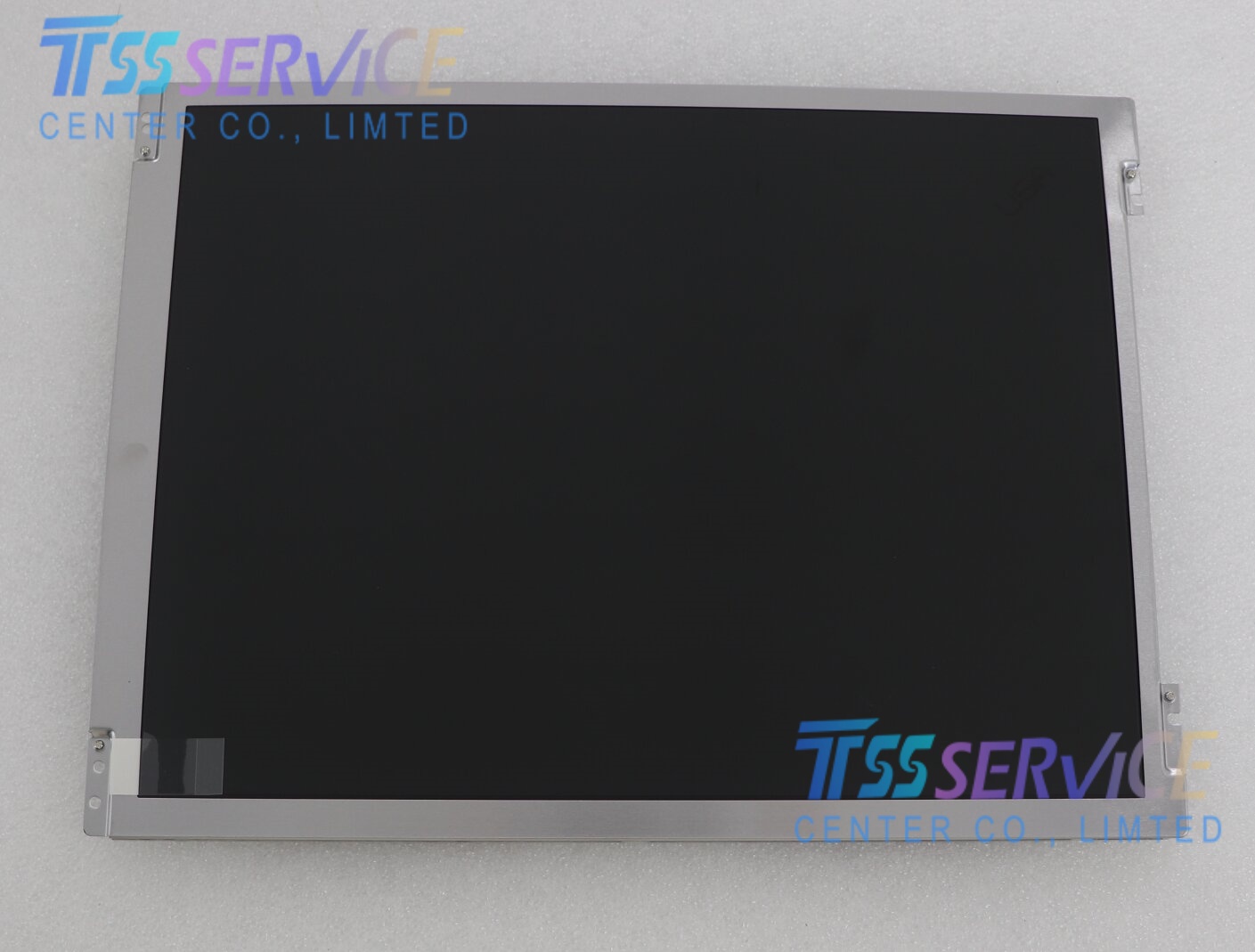
In the intricate world of industrial and embedded display solutions, the choice of a display module is a critical engineering decision that impacts usability, reliability, and system integration. This article provides a comprehensive analysis of the TIANMA 10.4" 800×600 LCD Module
In the intricate world of industrial and embedded display solutions, the choice of a display module is a critical engineering decision that impacts usability, reliability, and system integration. This article provides a comprehensive analysis of the TIANMA 10.4" 800×600 LCD Module, model TM104SDH01-40. We will move beyond basic specifications to explore its technological foundations, the tangible benefits it delivers in demanding environments, its key design considerations for seamless integration, and its practical applications across diverse industries. This deep dive aims to equip engineers, product designers, and procurement specialists with the insights needed to evaluate this module as a robust component for their next-generation hardware projects.
Deconstructing the Core Technology: More Than Just Resolution
At first glance, the 800×600 SVGA resolution on a 10.4-inch diagonal might seem conventional. However, the TM104SDH01-40 is built on a high-performance a-Si TFT (Thin-Film Transistor) LCD process, which is the cornerstone of its reliability. This active-matrix technology ensures each pixel is individually controlled, resulting in superior image stability, faster response times, and higher contrast ratios compared to passive matrix displays. The module typically incorporates a robust CCFL or LED backlighting system (with the "-40" variant often indicating a wide operating temperature range supported by the backlight design), providing consistent and uniform illumination.
Furthermore, the interface—commonly LVDS (Low-Voltage Differential Signaling) in such industrial modules—is a critical technological choice. LVDS offers high-speed data transmission with excellent noise immunity, which is paramount in electrically noisy industrial settings. This combination of mature yet robust TFT technology, reliable backlighting, and a noise-resistant interface forms a dependable display engine designed for longevity and consistent performance, rather than chasing consumer-grade pixel density trends.
Engineered for Resilience: Key Performance Advantages
The true value of the TM104SDH01-40 is revealed in its performance under pressure. Its engineering prioritizes resilience, offering distinct advantages for field-deployed equipment. First is its extended operational temperature range, often spanning from -30°C to +80°C for the storage temperature and a robust range for operation. This ensures functionality in environments from freezing cold warehouses to sun-baked factory floors.
Second, the module boasts high brightness, typically around 500-1000 nits, which guarantees readability in direct sunlight or under bright indoor lighting—a non-negotiable requirement for human-machine interfaces (HMIs) and outdoor kiosks. Third, it features a long-lasting backlight lifetime, often rated for 50,000 hours or more, minimizing maintenance and replacement costs. Finally, the mechanical design, including a sturdy metal frame and hardened glass surface, provides excellent resistance to vibration, shock, and potential abrasion. These advantages translate directly into reduced downtime, lower total cost of ownership, and enhanced user trust in the equipment.
Integration Imperatives: Design Considerations and Compatibility
Selecting this module is only the first step; successful integration is paramount. Designers must account for several key factors. Electrically, the module requires a precise power sequence and stable power supply to prevent latch-up or damage. The LVDS interface demands proper impedance matching on the controller board to ensure signal integrity and prevent ghosting or flickering.
Mechanically, the module's outline dimensions, bezel size, and mounting hole patterns must be meticulously followed in the product enclosure design. Considerations for thermal management are also crucial; while the module itself is robust, excessive heat buildup within the sealed enclosure can affect performance and lifespan. Additionally, compatibility with touch solutions—such as resistive or projective capacitive overlays—must be planned from the outset, as they affect the optical stack and required mounting depth. Addressing these imperatives upfront prevents costly redesigns and ensures the display performs as intended in the final assembly.
Real-World Applications: Where Reliability is Paramount
The specific blend of size, resolution, and ruggedness makes the TM104SDH01-40 a versatile solution across sectors where failure is not an option. In industrial automation, it serves as the primary HMI for PLCs, CNC machine controls, and test equipment, providing clear visual feedback in gritty environments. The transportation sector utilizes it in vehicle telematics systems, onboard diagnostics displays, and railway control panels.
Beyond these, it finds purpose in:
-
Medical Devices: Patient monitoring systems and diagnostic equipment, where clarity and 24/7 reliability are critical.
-
Point-of-Sale (POS) & Kiosks: For self-service terminals and retail systems requiring durability and constant operation.
-
Marine and Avionics: In non-safety-critical navigation aids and control displays, benefiting from its wide temperature tolerance.
These applications underscore the module's role as a enabling component for machinery and systems that form the backbone of modern industry and infrastructure.
In conclusion, the TIANMA TM104SDH01-40 is far more than a simple screen; it is a meticulously engineered industrial component that balances proven display technology with exceptional environmental robustness. Its value lies not in ultra-high resolution, but in guaranteed performance under challenging conditions, from extreme temperatures to constant operational demands. For engineers designing systems where longevity and reliability trump fleeting specs, this display module presents a compelling, field-proven solution that ensures critical information remains visible and accessible, day in and day out.


